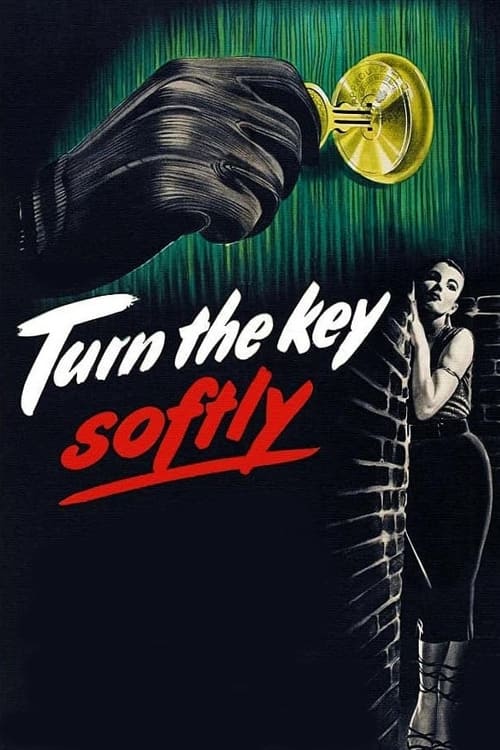
Turn the Key Softly
1953
No user ratings available yet
Representation score: 3.3 out of 10
Representation Score
Minimal
1950
TV-14Director
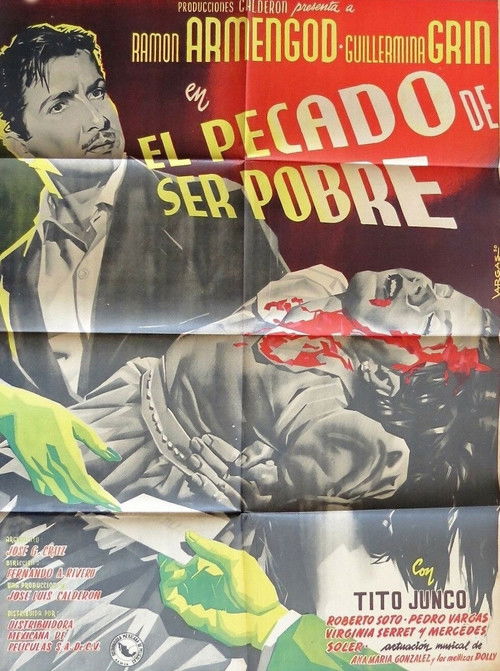
Fernando A. Rivero
Runtime
84 minutes
Average Rating
No ratings yetNew Showbiz Analysis
El pecado de ser pobre follows a conventional mid-century crime-drama arc centered on an ex-convict seeking redemption. The story focuses on individual morality and social reintegration rather than challenging systemic hierarchies. The film adheres to the standard dramatic frameworks of its era, prioritizing personal redemption over the deconstruction of social or political structures.
Category Breakdown
The film does not include any characters with non-straight sexual orientations or non-cisgender identities.
The story centers on a male protagonist and seems to rely on traditional gender roles typical of 1950s crime dramas.
The production likely features a majority cast from a non-Anglo-Saxon region. However, there is no indication of intentional multi-layered complexity.
The title suggests a focus on class struggle and socioeconomic hardship. It is unclear if the film critiques systemic institutions or follows traditional moralizing structures.
There is no information available regarding the depiction of physical or neurodivergent characters.
Present on Screen
Limited or Absent
Official Synopsis
Ex-con rebuilds his life after being discharged from prison.
1953

1973

1931

1952

1979

1941
1962

1997
No reviews yet. Be the first to share your thoughts on this movie!
Use the rating form above to leave a star rating and optional review.