
Hardly a Criminal
1949
No user ratings available yet
Representation score: 4.0 out of 10
Representation Score
Limited
1950
NRDirector
Hugo Fregonese
Runtime
79 minutes
Average Rating
No ratings yetNew Showbiz Analysis
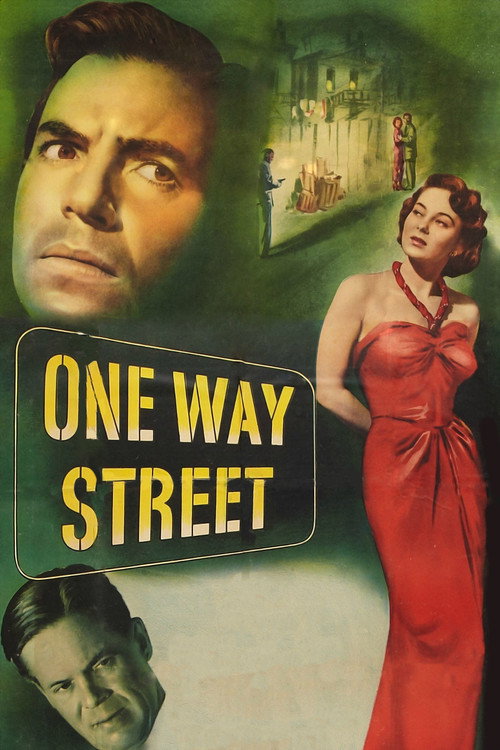
One Way Street is a mid-century noir that primarily explores the theme of social alienation. While it lacks modern diverse representation, it uses its setting to examine the tension between an individual and a critical community. The film's strength lies in its subtle critique of systemic injustice and social conformity. It goes beyond simple crime clichés to show how small-town morality can be used against outsiders. However, the film is limited by the era's standards. It lacks LGBTQ+ representation and disability inclusion, and the gender dynamics are heavily focused on male-dominated power structures.
Category Breakdown
The film follows the social norms of the 1950s, where everyone is assumed to be straight or cisgender. There are no queer narratives or non-binary gender identities presented in the story.
The story focuses on masculine struggles and male control within a criminal world. Although a girlfriend drives part of the plot, the film emphasizes patriarchal dynamics over women's influence.
The Mexican setting provides a change from typical Anglo-Saxon stories. However, it is unclear if the film highlights characters of color with significant roles or if the setting is just used as a background.
The story criticizes the mob mentality and the flaws of local social judgment. It portrays an outsider fighting against a judgmental group, suggesting a critique of social conformity.
There is no evidence of characters with visible or invisible disabilities playing central roles in the narrative.
Present on Screen
Limited or Absent
Official Synopsis
After stealing a gangster's money and his girlfriend, a doctor heads for a small village in Mexico to hide out.
1949

1949

1960

1937

1950
1955
1959
1947
No reviews yet. Be the first to share your thoughts on this movie!
Use the rating form above to leave a star rating and optional review.