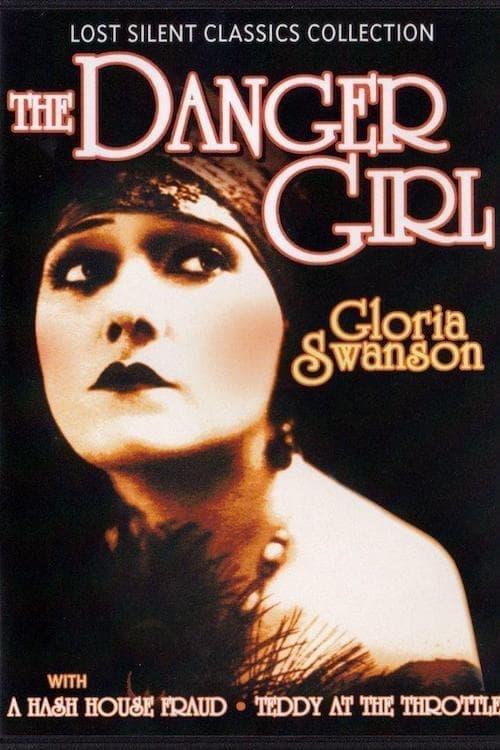
The Danger Girl
1916
No user ratings available yet
Diversity score: 3.3 out of 10

1933
Director
Victor Janson
Runtime
83 minutes
Average Rating
No ratings yetSynopsis
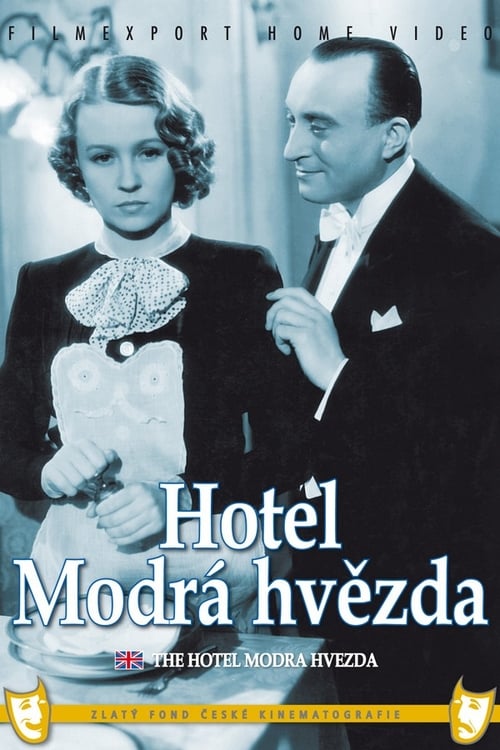
Dolly Haas is employed as a (supposedly male) servant at a Hotel.
Overall Score
Limited
Category Breakdown
LGBTQ+ Representation
The film employs a gender-bending trope where Dolly Haas assumes a male persona for work. This farce-driven disguise typically relies on a revelation of her true identity, which reinforces heteronormative norms.
Gender Representation
A female protagonist occupies a male-dominated labor role, providing a degree of agency and mobility. However, this subversion is framed as a temporary transgression through disguise rather than a permanent social shift.
Racial & Ethnic Diversity
The production reflects the homogeneous social structures of 1933 European cinema. There is no evidence of non-white representation or race-bent casting within the hotel setting.
Religious & Cultural Diversity
The narrative focuses on class-based situational comedy within traditional Western social structures. It utilizes rigid hotel hierarchies for comedic misunderstanding rather than critiquing Western institutions.
Disability Representation
There is no evidence of characters with visible or invisible disabilities included in the film.
Strengths
Areas for Improvement
AI Analysis
The film operates as a classical farce, utilizing period-specific comedic structures. While it offers a moderate disruption of gendered labor expectations through its protagonist's disguise, it lacks intersectional complexity. The narrative prioritizes traditional tropes over the deconstruction of social or cultural norms. Gender representation is the film's strongest point of subversion, yet it remains limited by the plot's reliance on a temporary disguise. The lack of racial, cultural, or disability-related representation reflects the era's homogeneous cinematic standards.
1916
1941
1935
1935
1939
1937
1927
1926
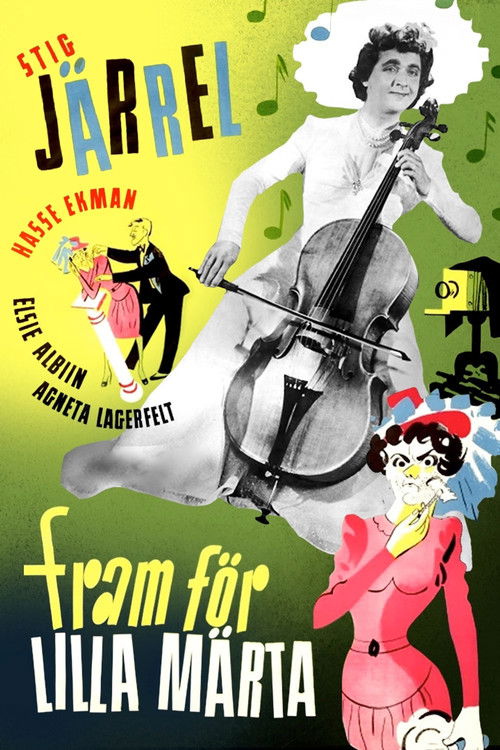
1945
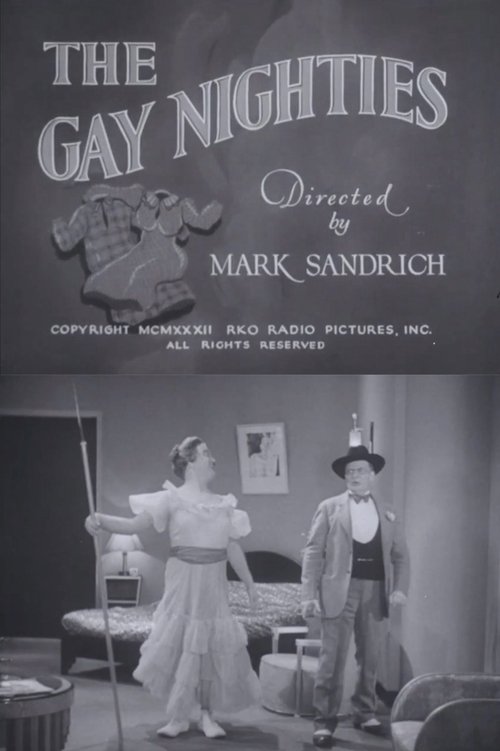
1933
1913
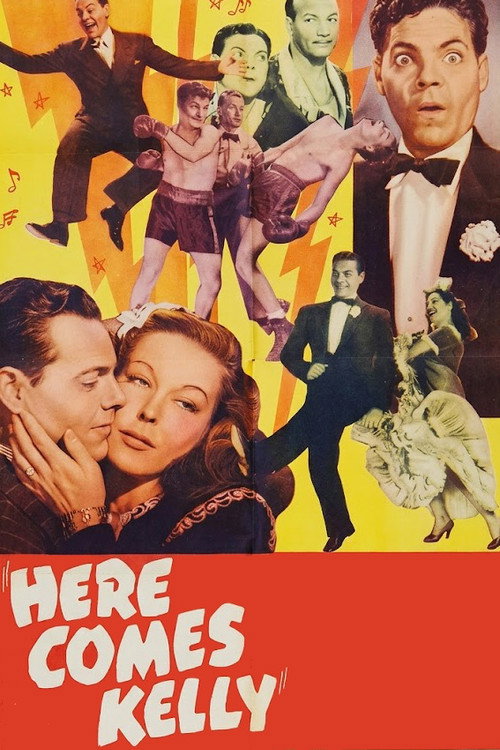
1943
No reviews yet. Be the first to share your thoughts on this movie!
Use the rating form above to leave a star rating and optional review.