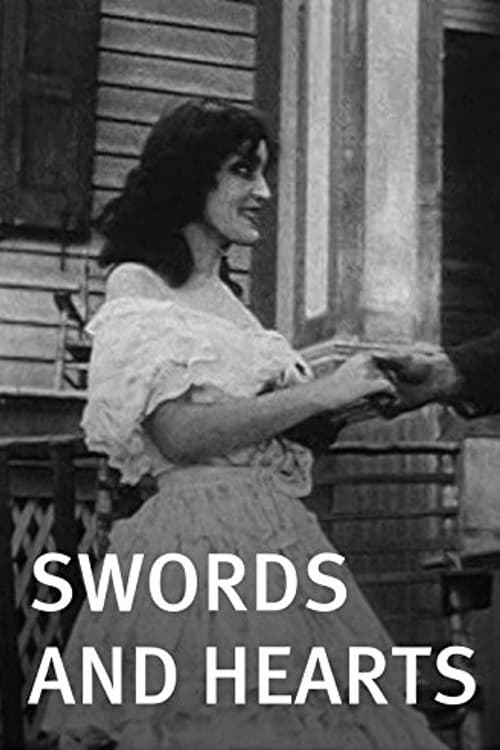
Swords and Hearts
1911
No user ratings available yet
Diversity score: 2.7 out of 10
1911
NRDirector
D.W. Griffith
Runtime
17 minutes
Average Rating
No ratings yetSynopsis
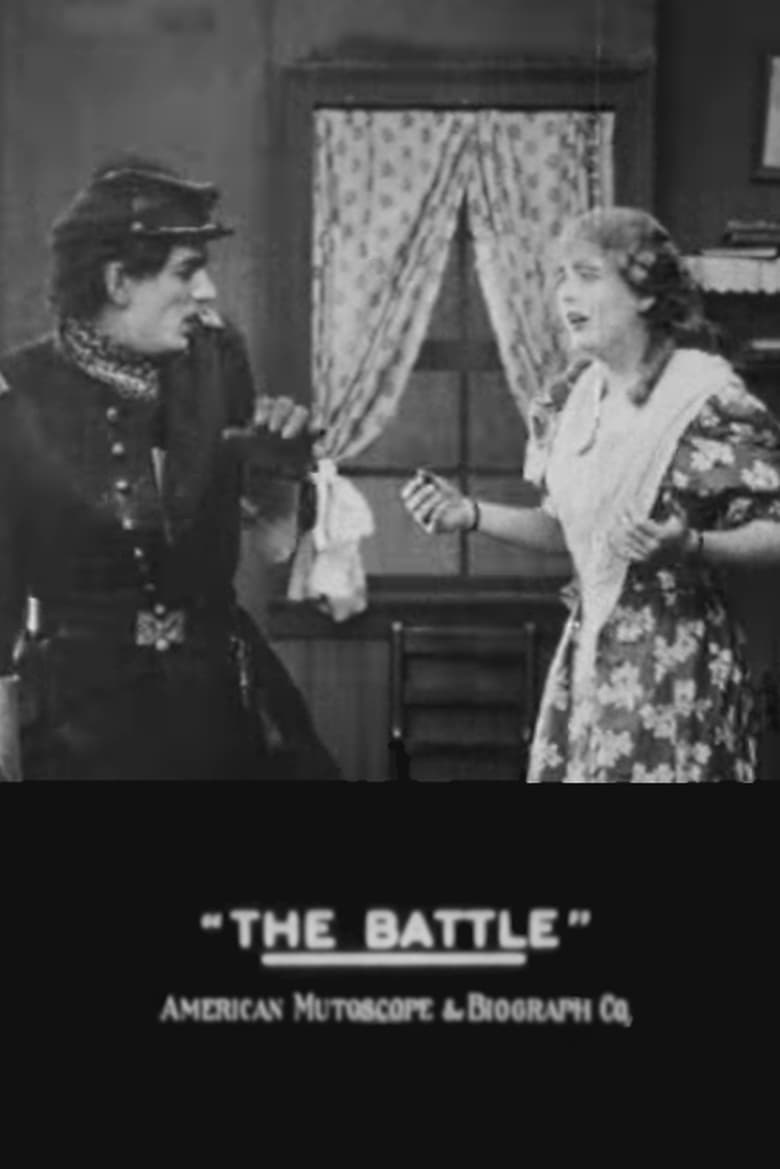
Union soldiers march off to battle amid cheering crowds. After the battle turns against the Union Army, one soldier runs away, hiding in his girlfriend's house. Ashamed of his cowardice, he finds his courage and crosses enemy lines to bring help to his trapped comrades.
Overall Score
Minimal
Category Breakdown
LGBTQ+ Representation
The film centers on a traditional heteronormative romantic arc. There is no presence of non-cisnormative identities or critiques of heteronormativity.
Gender Representation
Female characters serve primarily as domestic sanctuaries and emotional stakes. They lack independent agency, functioning instead as catalysts for the male protagonist's redemption.
Racial & Ethnic Diversity
The narrative focuses on a homogeneous depiction of Union soldiers. It aligns with early 20th-century tendencies to present a singular, Western-centric view of history.
Religious & Cultural Diversity
The plot reinforces traditional Western values of patriotism and military duty. It follows a classic trajectory of reclaiming honor through nationalistic service.
Disability Representation
There is no indication of characters navigating physical, sensory, or neurodivergent experiences. The conflict focuses on psychological temperament rather than disability.
Strengths
Areas for Improvement
AI Analysis
The Battle (1911) is a foundational work of traditionalist cinema that reinforces established social hierarchies. Its narrative architecture prioritizes conventional notions of heroism and institutional loyalty over diverse perspectives. The film relies on a classic redemption arc to validate masculine bravery. By centering on a soldier's journey from cowardice to duty, it upholds the conservative social frameworks of the early 1900s. Ultimately, the work functions as a historical marker for cinematic development while remaining firmly rooted in a narrow, Western-centric worldview.
1911
2015
1944
2024

2017
1939
1918
1910
1911
1911
1924
1910
No reviews yet. Be the first to share your thoughts on this movie!
Use the rating form above to leave a star rating and optional review.