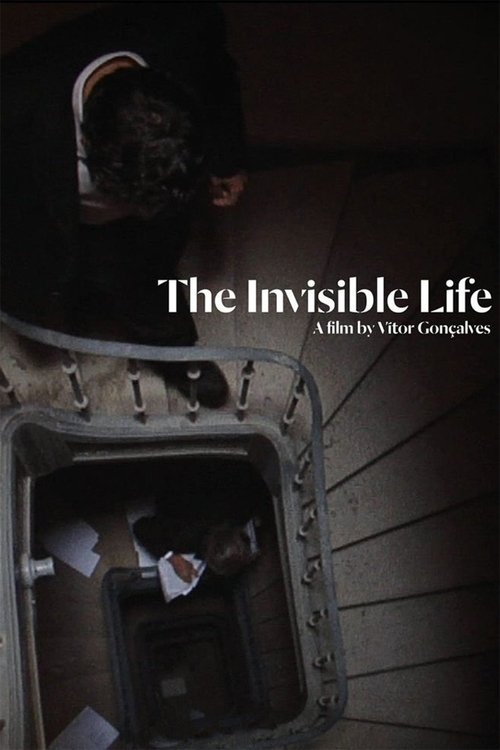
The Invisible Life
2013
No user ratings available yet
Representation score: 4.8 out of 10

Representation Score
Minimal
1976
Director
Manuel Mur Oti
Runtime
97 minutes
Average Rating
No ratings yetNew Showbiz Analysis
Manuel Mur Oti’s drama is a deeply personal psychological study centered on a singular male perspective. The narrative structure revolves around the protagonist, Juan, as he navigates a fragmented landscape of memory and regret. While the film offers sophisticated formal experimentation, it remains rooted in traditional social structures. Women are used primarily as mnemonic devices for his past rather than as independent characters. Ultimately, the film lacks multi-layered complexity, prioritizing individualistic existentialism over disrupting social hierarchies or including diverse identities.
Category Breakdown
The film centers on heterosexual relationships, with the protagonist's memories tied to the names of women, showing no indication of LGBTQ+ identities.
Women primarily serve as catalysts for the male protagonist's emotional growth, rather than as independent characters with their own choices.
The film reflects the demographic homogeneity typical of 1970s Spanish cinema, with no significant ethnic diversity or casting.
The story delves into individualistic themes of memory and existentialism, focusing on personal morality and melancholy without critiquing societal or religious institutions.
The protagonist's fragmented and confused mental state is crucial to the plot, but it's unclear if this represents clinical neurodivergence or a stylistic choice.
Present on Screen
Limited or Absent
Official Synopsis
Given the proximity of death, the experiences of the past come to the memory of Juan. In a fragmented, sometimes confused way, Juan relives the crucial moments of his life, always linked to the names of women. Moments that remind him of having missed numerous opportunities to be happy.
2013
1976

1999

1963
1976

2023
1963
1968
No reviews yet. Be the first to share your thoughts on this movie!
Use the rating form above to leave a star rating and optional review.