
The Two Fedors
1958
No user ratings available yet
Representation score: 3.9 out of 10
Representation Score
Limited
1983
Director
Marlen Khutsiyev
Runtime
98 minutes
Average Rating
No ratings yetNew Showbiz Analysis
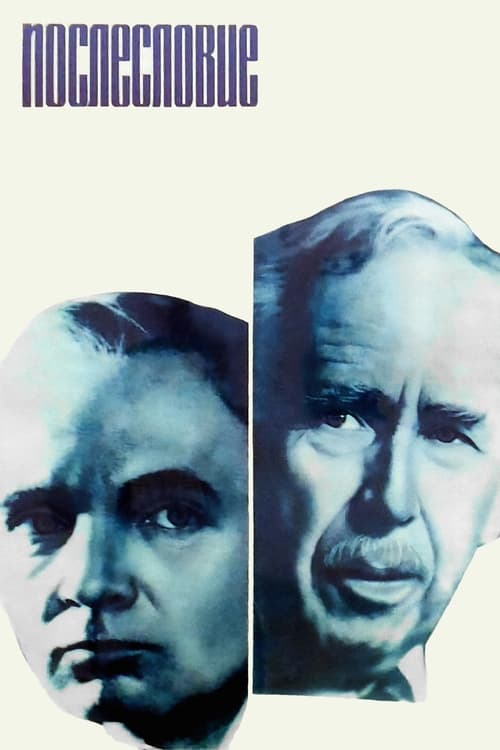
Postscript is a character-driven drama that adheres to the traditional demographic norms of its time and genre. It prioritizes psychological realism and interpersonal dynamics over disrupting social hierarchies. The film focuses on male-centric relationships, particularly the forced proximity between a young man and his father-in-law. This structural emphasis indicates a narrative rooted in conventional familial and patriarchal frameworks. While the film offers potential depth through the exploration of generational shifts and individual autonomy, it lacks significant representation of diverse identities, including LGBTQ+ characters, multi-ethnic casts, or characters with disabilities.
Category Breakdown
The film does not include any LGBTQ+ identities or queer narratives. The main storyline revolves around a traditional family interaction between a man and his father-in-law.
The narrative centers on male relationships and patriarchal traditions. There is little indication of women having significant roles or challenging traditional domestic hierarchies.
The film likely reflects the demographic uniformity typical of 1983 Soviet cinema. There is no indication of multi-ethnic casting or racial diversity in the narrative.
The story explores generational conflict and the tension between personal freedom and societal structures. It delves into the complexities of social obligations within a specific historical context.
There is no visible or reported evidence regarding the portrayal of physical or neurodivergent disabilities.
Present on Screen
Limited or Absent
Official Synopsis
A young man is forced to spend a few days with his father in law.
1958
1961

1971
1986

1982
1957
1967
1993
No reviews yet. Be the first to share your thoughts on this movie!
Use the rating form above to leave a star rating and optional review.