I Remember
2006
No user ratings available yet
Representation score: 5.5 out of 10
Representation Score
Limited
2003
Director
René Féret
Runtime
110 minutes
Average Rating
No ratings yetNew Showbiz Analysis
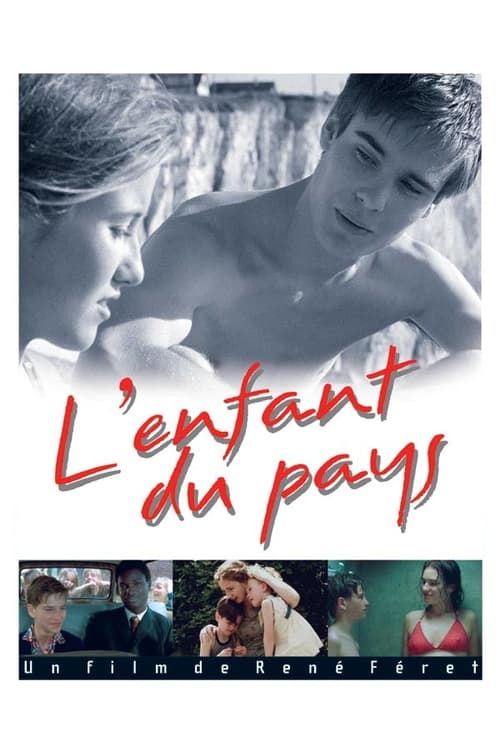
L'Enfant du pays is a humanistic study of personal growth and memory. Using a fragmented narrative structure, the film moves away from monolithic historical narratives, focusing instead on the intimate, domestic life of a single family in mid-20th century France. While the film offers a sophisticated lens for examining personal history through its non-linear storytelling, it remains grounded in the social norms of its era. The representation is largely conventional, reflecting the regional and class-based realities of the 1940s through the 1960s. Ultimately, the work serves as a localized character study. It does not aim to challenge systemic social hierarchies or promote diverse identities, opting instead for historical realism.
Category Breakdown
The film does not include explicit LGBTQ+ characters or stories that go beyond the assumption that everyone is straight. While the period setting might allow for some unspoken subtext, the focus stays on traditional family structures.
The story focuses on the male protagonist, Paul, throughout his life stages. Female figures are present in the family, but their specific roles and influence are not clearly defined.
Set in the Pas-de-Calais region during a time when the population was mostly homogeneous, the film highlights the historical reality of the era. It emphasizes regional and class identity over multi-ethnic representation.
By centering on a modest family rather than institutional figures, the film adopts a humanistic realism. It favors personal, individual experiences over grand political or religious doctrines.
There is no information regarding the portrayal of physical disabilities or neurodivergence within the film.
Present on Screen
Limited or Absent
Official Synopsis
This tale of childhood and adolescence is told through brief sequences that take place in the life of a modest family from the Pas-de-Calais region during the forties, fifties and sixties. Paul, the main character, who we meet when he’s 5, 13 and 18, is the throughline of this tale told in a fragmentary way well adapted to the scattered nature of memories.
2006
2015
1991

1976
1995
1988
1994

2016
No reviews yet. Be the first to share your thoughts on this movie!
Use the rating form above to leave a star rating and optional review.