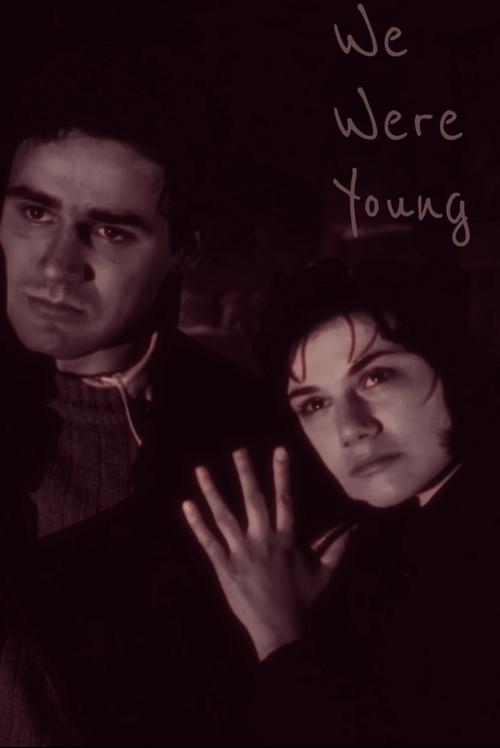
We Were Young
1961
No user ratings available yet
Representation score: 3.9 out of 10
Representation Score
Limited
1962
Director
Stanislav Rostotsky
Runtime
106 minutes
Average Rating
No ratings yetNew Showbiz Analysis
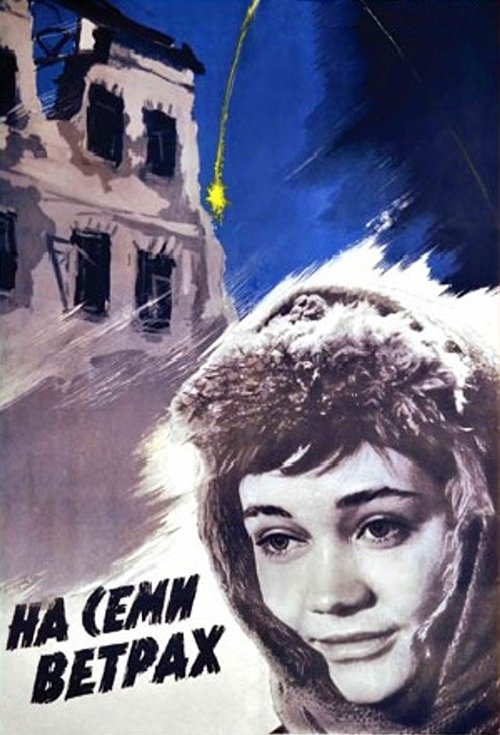
Four Winds of Heaven is a period-specific drama that prioritizes psychological realism and humanistic depth. While it centers on a female protagonist, the narrative remains tethered to conventional gendered expectations of the early 1960s. The film functions through traditional romantic arcs and wartime collectivism. It lacks the complexity or disruption of social hierarchies necessary to move beyond its historical, homogeneous context. Ultimately, the work serves as a study of historical romantic realism rather than a vehicle for social reconfiguration.
Category Breakdown
The film follows a traditional romantic structure centered on a heterosexual relationship. There is no evidence of LGBTQ+ identities or same-sex intimacy within the narrative.
Svetlana provides a female-centric perspective as the protagonist. However, she has limited control over her own story, defined largely by her emotional endurance and relationship to Igor.
The casting reflects a homogeneous demographic consistent with its Soviet-era setting. There is no evidence of intentional racial blending or diverse ethnic identities.
The story emphasizes wartime collectivism, romantic fidelity, and duty. It avoids religious morality in favor of secular, communal values typical of the period's geopolitical reality.
The narrative provides no discernible evidence regarding the portrayal of physical or neurodivergent disabilities.
Present on Screen
Limited or Absent
Official Synopsis
A young girl Svetlana just arrived to the small town when a war begun. Her fiancé Igor did not meet Svetlana so she stayed alone to wait for him.
1961
1958
1961
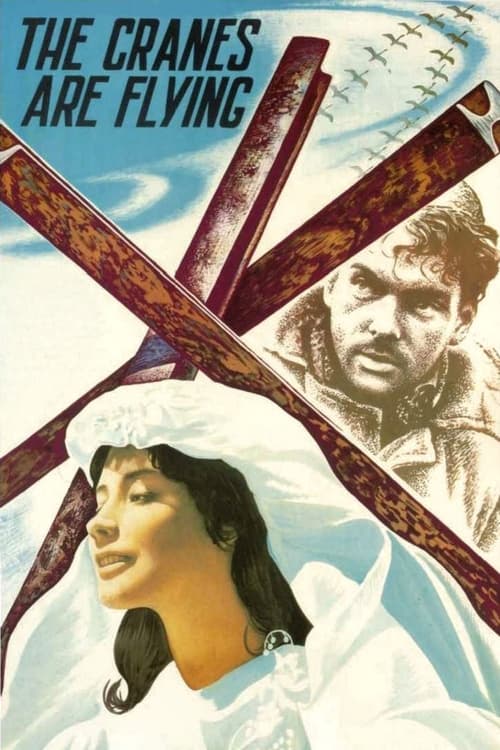
1957
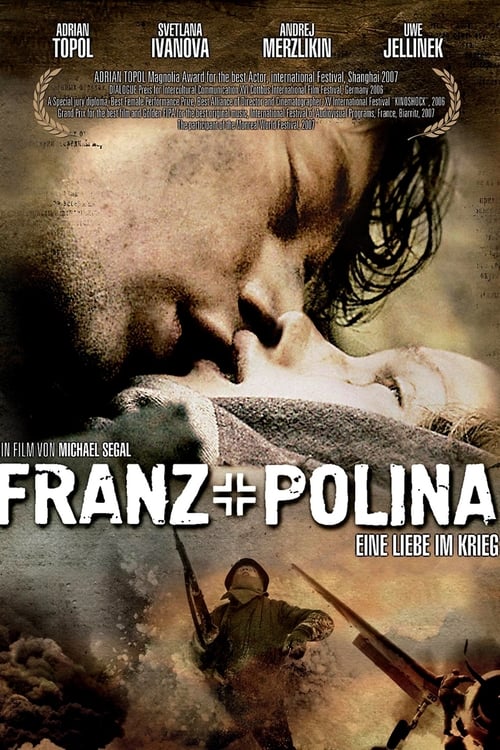
2006

1959
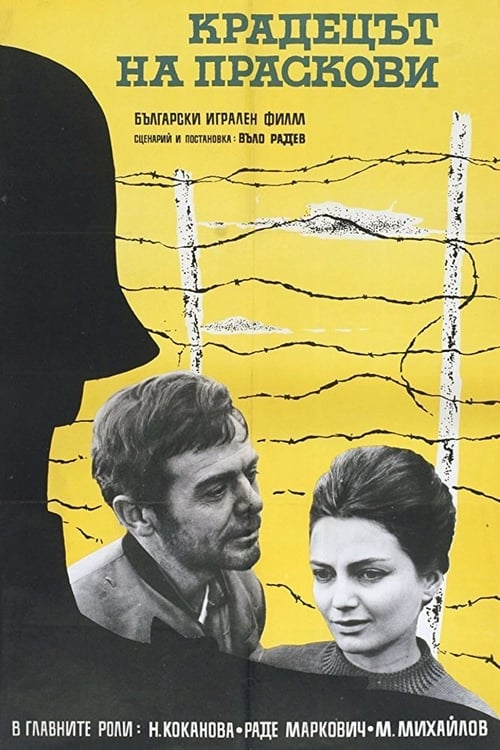
1964
1993
No reviews yet. Be the first to share your thoughts on this movie!
Use the rating form above to leave a star rating and optional review.