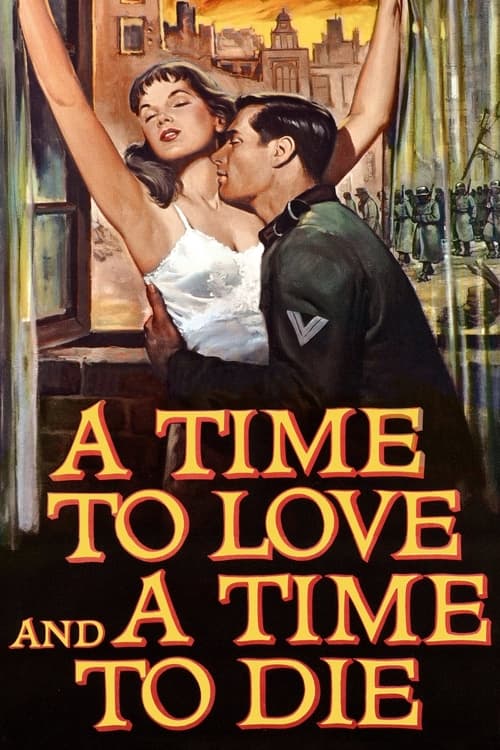
A Time to Love and a Time to Die
1958
No user ratings available yet
Representation score: 3.7 out of 10
Representation Score
Minimal
1950
ApprovedDirector
William Beaudine
Runtime
72 minutes
Average Rating
No ratings yetNew Showbiz Analysis
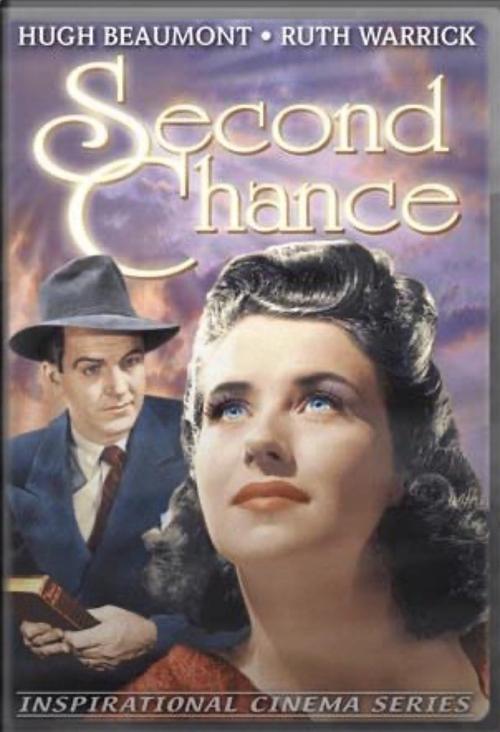
Second Chance is a mid-century domestic drama that reinforces the social and institutional hierarchies of its time. The story centers on a bank president and his wife, emphasizing the stability of the nuclear family and the professional class. The film lacks any visible effort to disrupt conventional clichés or include diverse identities. Instead, it reflects the social norms of the 1950s, focusing on established life trajectories and traditional gender roles. The narrative architecture is built around a homogeneous, middle-class worldview that offers little room for diverse perspectives or subversive themes.
Category Breakdown
The film focuses on a traditional marital unit and does not include any non-cisgender identities or same-sex relationships.
The roles follow mid-century hierarchies, where the husband is a bank president and the wife is defined through her relationship to him.
The setting suggests a homogeneous, Anglo-Saxon community, reflecting the era's standard of middle-class stability.
The film centers on themes of capitalist stability and traditional family structures, adhering to the social and economic norms of the 1950s.
There is no mention of characters dealing with physical or mental health issues, and disability is not a central narrative element.
Present on Screen
Limited or Absent
Official Synopsis
A bank president and his wife, facing a crisis in their life and both nearing the age of fifty, look back on what has happened to them over the years of their marriage.
1958

1955

1953

1940

1946

1946

1944

1948
No reviews yet. Be the first to share your thoughts on this movie!
Use the rating form above to leave a star rating and optional review.