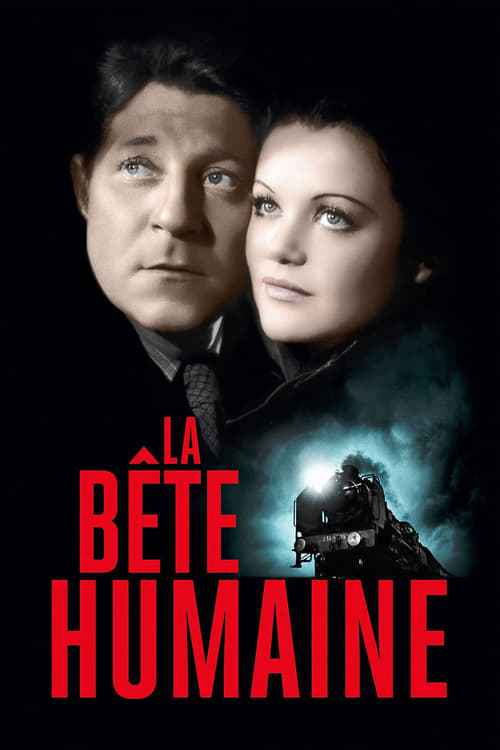
La Bête Humaine
1938
No user ratings available yet
Representation score: 4.5 out of 10
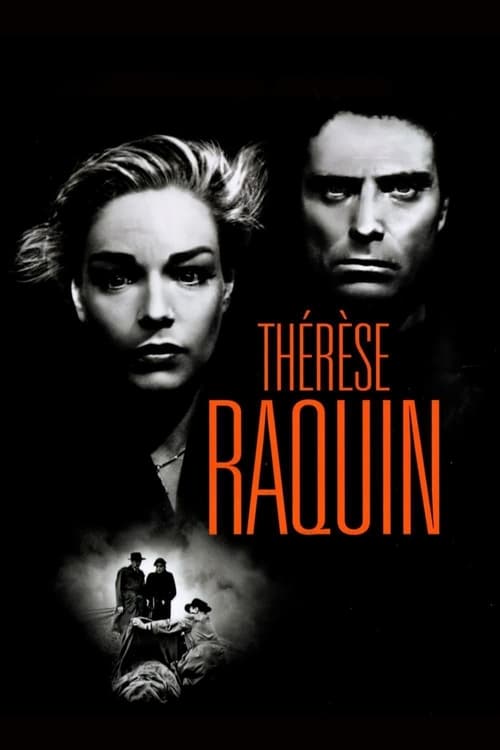
Representation Score
Fair
1953
Not RatedDirector
Marcel Carné
Runtime
106 minutes
Average Rating
No ratings yetNew Showbiz Analysis
Marcel Carné’s film focuses on psychological decay, prioritizing emotional authenticity over conventional morality. It successfully dismantles traditional gender roles, showcasing a female protagonist who seeks autonomy despite the negative consequences of her actions. However, the film’s historical context limits its representation of racial and LGBTQ+ diversity. Additionally, its portrayal of disability serves more as a narrative device for tension than as a nuanced depiction. Overall, the film provides a sophisticated exploration of human nature, even though it is confined by the demographic homogeneity of its time.
Category Breakdown
The film does not include any LGBTQ+ characters or non-straight relationships. The main conflict revolves around a troubled, traditional heterosexual relationship.
Thérèse challenges the traditional gender roles of the 19th century by seeking independence and sexual fulfillment outside her marriage. She actively pursues autonomy, defying passive stereotypes.
The cast is predominantly of a single ethnicity, reflecting the demographics of mid-19th-century Paris. There is no attempt at race-blind casting or incorporating diverse ethnicities.
The film explores moral relativism, suggesting that behavior is shaped by biological and environmental factors. It emphasizes psychological realism over religious or societal norms.
The film uses the mother-in-law's silent accusations and mental decline as plot devices. These elements serve more as atmospheric tools for tension than as detailed representations of disability.
Present on Screen
Limited or Absent
Official Synopsis
Star-crossed lovers Thérèse and Laurent think they've gotten away with murder after Thérèse's weakling husband "falls" from a speeding train. But when forced to contend with a blackmailer's demands and the mute accusations of Thérèse's mother-in-law, it's only a matter of time before the law, their passion or blind chance trips them up.
1938
1955

1952
1946
1943
1949

1956

1950
No reviews yet. Be the first to share your thoughts on this movie!
Use the rating form above to leave a star rating and optional review.