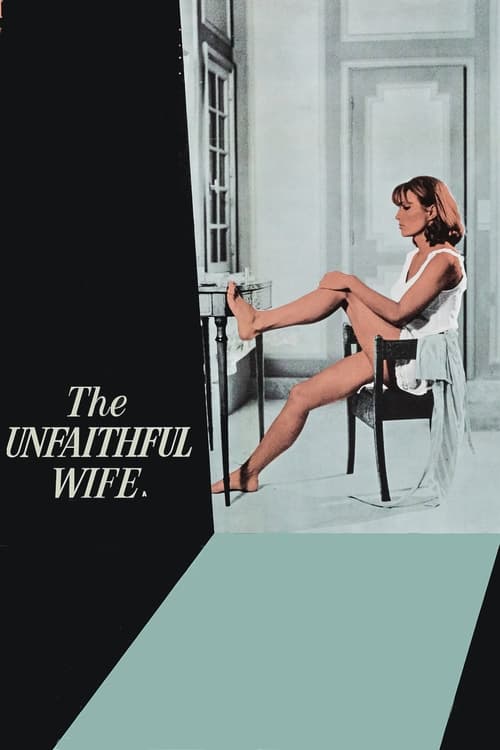
The Unfaithful Wife
1969
No user ratings available yet
Representation score: 2.8 out of 10
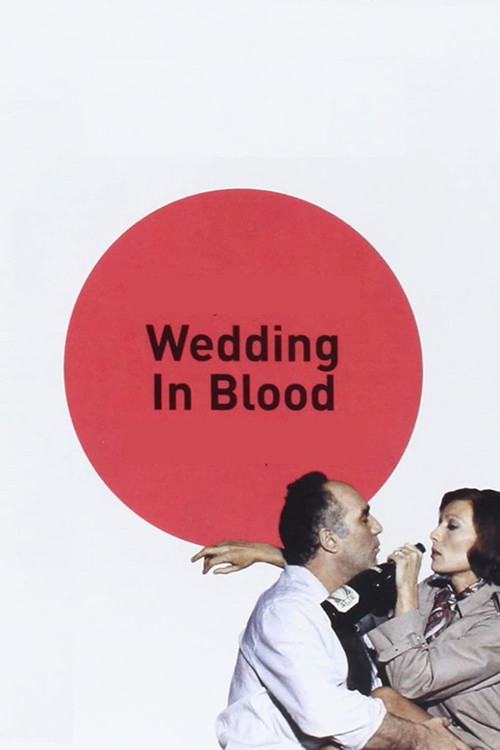
Representation Score
Limited
1973
PGDirector
Claude Chabrol
Runtime
95 minutes
Average Rating
No ratings yetNew Showbiz Analysis
Wedding in Blood functions as a character study that prioritizes the deconstruction of bourgeois morality over demographic variety. The film finds its strength in challenging social roles, specifically through the breakdown of the mayor's domestic and civic authority. However, the film lacks depth in representing diverse identities. The narrative is rooted in a specific historical and social context that appears largely homogeneous, offering little in the way of diverse racial or LGBTQ+ representation. Ultimately, the work is more interested in the disintegration of social structures than in inclusive casting, resulting in a score that reflects a narrow, traditionalist demographic lens.
Category Breakdown
The story centers around a conflict that assumes everyone is straight and cisgender, with no visible LGBTQ+ identities or narratives. There is no mention of queer or non-cisgender characters.
The film challenges traditional male dominance by showing the mayor's loss of control. The wife's infidelity disrupts the stable patriarchal unit.
Set in a small 1973 French town, the cast appears historically homogeneous with no evidence of diverse racial or ethnic representation.
The story critiques traditional institutions and the fragility of the respectable family unit. It moves away from moral absolutes to explore the corruption within the domestic sphere.
The film provides no information about the depiction of physical or neurodivergent characters.
Present on Screen
Limited or Absent
Official Synopsis
In a small French town, the mayor discovers his wife is cheating on him, a betrayal that eventually leads to murder.
1969
1955
1976
1953

1958
1991
1986
1975
No reviews yet. Be the first to share your thoughts on this movie!
Use the rating form above to leave a star rating and optional review.