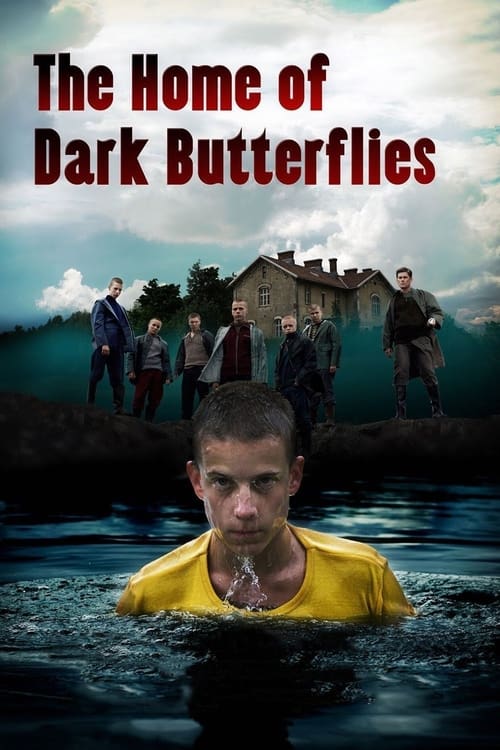
The Home of Dark Butterflies
2008
No user ratings available yet
Diversity score: 5.4 out of 10
2011
Director
Markus Imboden
Runtime
103 minutes
Average Rating
No ratings yetSynopsis
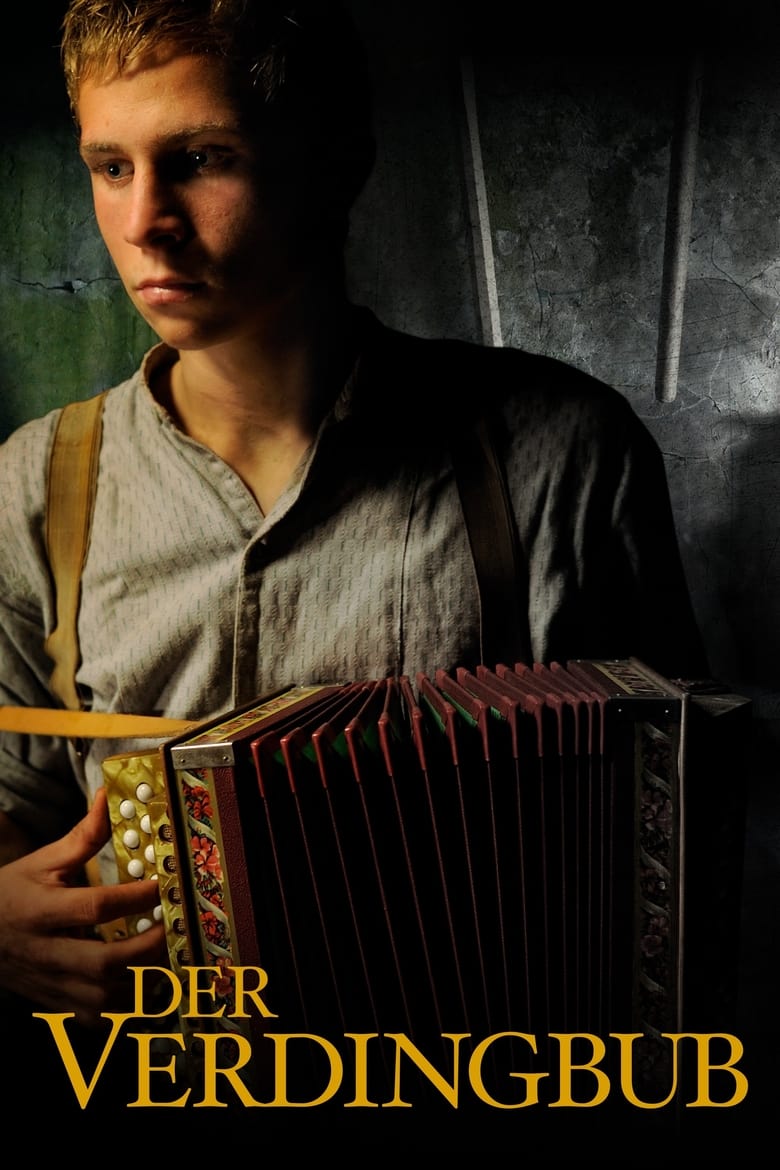
Switzerland, 1955. The young orphan Max is sent as a foster child and contracted to work for the Bösiger family who lives on a farm. His foster parents treat him like a workhorse while their son seizes every opportunity to humiliate him. Playing the accordion is the one thing that is entirely his. But when the new teacher stands up for Max, it only makes a bad situation much worse. The only thing preserving his will to survive is his friendship with Berteli, who was also taken on to work at the farm. Max dreams of Argentina with her: a fantasy world, where allegedly even hayforks are made of silver.
Overall Score
Fair
Category Breakdown
LGBTQ+ Representation
The film lacks explicit LGBTQ+ characters or non-heteronormative identities. Instead, it centers on the platonic, survival-based bond between Max and Berteli. This focus avoids traditional romantic tropes in favor of emotional intimacy.
Gender Representation
The narrative disrupts traditional hierarchies by portraying the Bösiger family's leadership as abusive and incompetent. Female characters like Berteli provide the essential emotional intelligence and agency necessary for the protagonist's survival.
Racial & Ethnic Diversity
Set in 1955 Switzerland, the film reflects the historical homogeneity of the era. The dream of Argentina serves as a symbolic desire for a world outside rigid, Eurocentric social constraints.
Religious & Cultural Diversity
The film offers a sharp critique of traditional Western institutions and agricultural capitalist structures. It frames the existing social order as a corrupt system of oppression rather than a pillar of stability.
Disability Representation
While no specific physical disabilities drive the plot, the film explores the psychological toll of systemic trauma. Max uses his accordion to navigate mental resilience and emotional regulation under extreme duress.
Strengths
Areas for Improvement
AI Analysis
The Foster Boy is a historical drama that prioritizes the perspective of the displaced and the marginalized. It succeeds in critiquing the systemic cruelty of traditional social structures and the dysfunction of authority figures. However, the film is limited by its historical setting, which results in low racial and ethnic diversity. The narrative also lacks explicit representation of LGBTQ+ identities or specific physical disabilities. Ultimately, the film's strength lies in its nuanced portrayal of psychological resilience and its subversion of the idealized patriarchal farmstead.
2008
2007
2015
1957
1996
2006
2008

2004
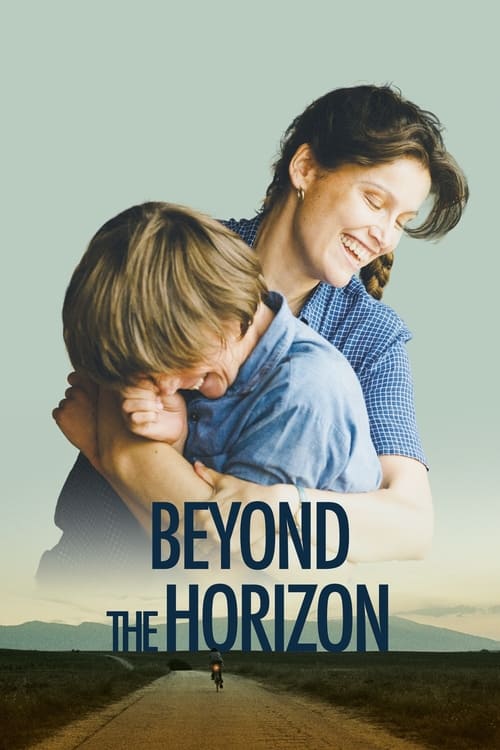
2020
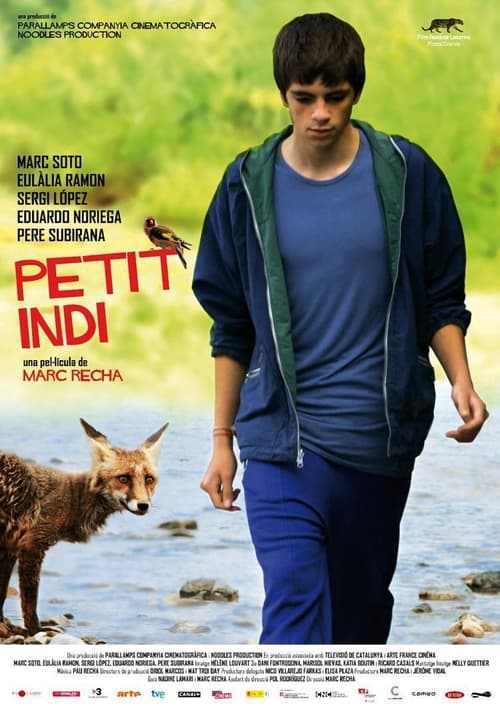
2009

2012
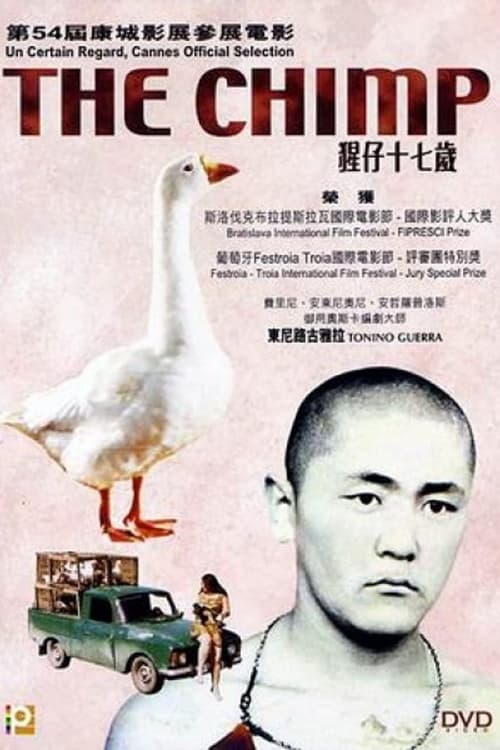
2001
No reviews yet. Be the first to share your thoughts on this movie!
Use the rating form above to leave a star rating and optional review.