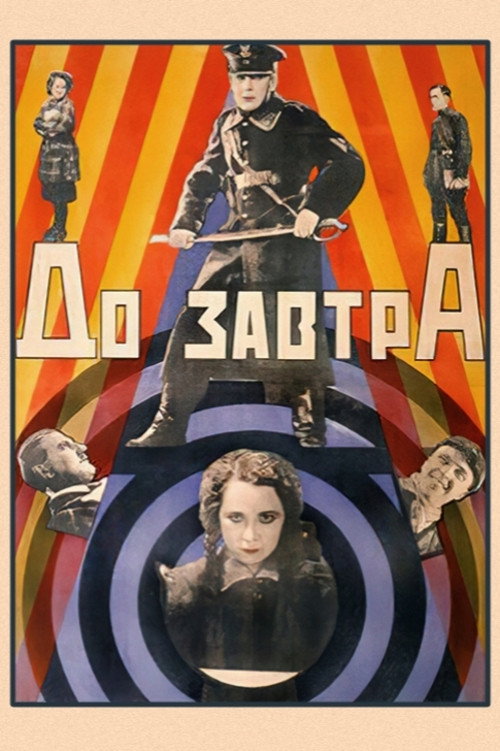
Till Tomorrow
1929
No user ratings available yet
Representation score: 7.0 out of 10
Representation Score
Fair
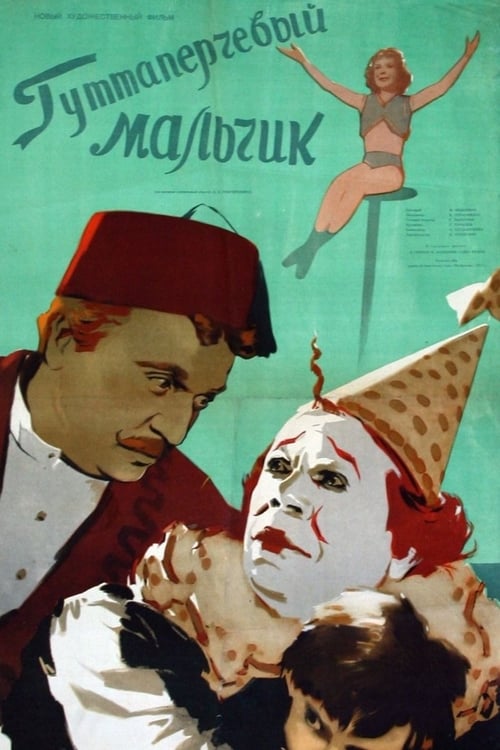
1957
K-12Director
Vladimir Gerasimov
Runtime
76 minutes
Average Rating
No ratings yetNew Showbiz Analysis
Gutta-Percha Boy is a social drama that prioritizes the critique of systemic inequality over modern characters who reflect more than one aspect of diversity. It succeeds in deconstructing the idealized social order of the 19th century by highlighting the cruelty of unregulated labor and the exploitation of the vulnerable. However, the film remains limited by its historical and regional setting. The narrative structure is heavily male-centric and lacks visible female empowerment or diverse ethnic perspectives, reflecting the demographic constraints of its era. Ultimately, the film's strength lies in its focus on social struggle. It uses the circus as a backdrop to examine how institutions can both exploit and provide unconventional mentorship to those at the margins of society.
Category Breakdown
The film does not include explicit depictions of LGBTQ+ identities or non-straight relationships. The emotional bond between Edwards and Petya provides comfort but does not serve as a queer narrative.
The story focuses on a male-dominated circus environment. Male figures guide the protagonist's journey, leaving little room for female empowerment or the overturning of traditional gender roles.
Set in late 19th-century Europe, the narrative features a relatively homogeneous ethnic cast. There is no indication of diverse casting or non-Western identities within this historical context.
The film strongly critiques systemic oppression and capitalist-style exploitation. It challenges the stability of the traditional family by focusing on the struggle of a disenfranchised child.
While no physical disabilities are explicitly mentioned, the protagonist's 'gutta-percha' designation suggests extreme fragility. The film examines the social vulnerability imposed by poverty and systemic exploitation.
Present on Screen
Limited or Absent
Official Synopsis
The end of the XIX century. Petya, an eight-year orphan who has been cast in training German acrobat Karl Becker, who curses and beatings would incorporate the new assistant to the circus profession and ruthlessly exploited child in their speeches. The only consolation, brightens the harsh life gutta-percha boy, as referred to Petya on the posters, is the concern of the carpet clown Edwards, who regretted the fatherless and secretly taught him this circus arts...
1929
1946

2011
1961
1987
1924
1951

1991
No reviews yet. Be the first to share your thoughts on this movie!
Use the rating form above to leave a star rating and optional review.