Children
2006
No user ratings available yet
Representation score: 5.2 out of 10
Representation Score
Good
2007
Director
Peter Schønau Fog
Runtime
106 minutes
Average Rating
No ratings yetNew Showbiz Analysis
The film excels at deconstructing traditional social archetypes, particularly regarding gender and the sanctity of the nuclear family. By presenting a dysfunctional domestic unit, it avoids the sanitized clichés of standard dramas. However, the work lacks significant representation in terms of racial and LGBTQ+ diversity. The setting is historically localized to rural Denmark, which limits the scope of the narrative. Ultimately, the film's strength lies in its psychological realism and its refusal to uphold idealized versions of parenthood or social order.
Category Breakdown
The film does not include any visible LGBTQ+ identities or characters who challenge the assumption that everyone is straight or cisgender. The story focuses solely on the domestic crisis within a traditional family unit.
The story challenges traditional masculine roles by showing an unstable father. The child, Allan, takes on responsibilities usually handled by adults.
Set in 1970s rural Denmark, the film reflects the demographic homogeneity of that time. There is no indication of a multi-ethnic cast or diverse representation.
The film challenges Western ideals by presenting the family as a site of trauma rather than strength. It portrays a moral relativism where survival is prioritized over traditional ethics.
Mental health is central through the father's instability. The film avoids clichés by presenting mental illness as a disruptive reality rather than a tool for moral growth.
Present on Screen
Limited or Absent
Official Synopsis
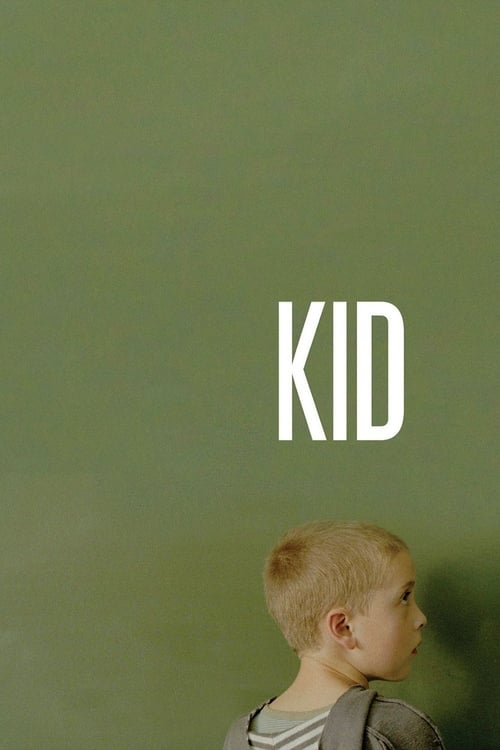
Life is not easy for 11-year-old Allan living in South Jutland during the early 1970s. His mentally unstable father frequently threatens suicide and his mother has long since given up. It's up to Allan to keep the family together. When a rival family threatens his father's livelihood, Allan starts committing atrocious acts.
2006

2015
1997

1999
2012
1996
2009
2016
No reviews yet. Be the first to share your thoughts on this movie!
Use the rating form above to leave a star rating and optional review.