Sold
2016
No user ratings available yet
Representation score: 8.2 out of 10
Representation Score
Good
2015
Director
Kohki Hasei
Runtime
75 minutes
Average Rating
No ratings yetNew Showbiz Analysis
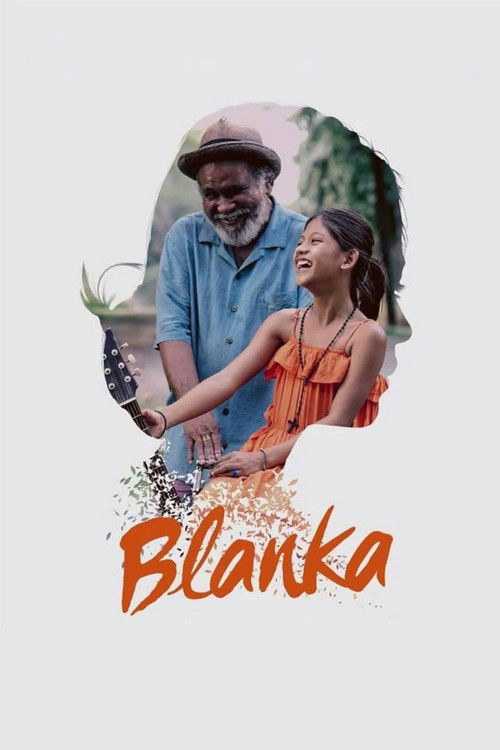
Blanka offers a striking subversion of gendered expectations through its protagonist, who rejects conventional femininity in favor of raw, detached ability to act. This provides a nuanced departure from traditional narrative structures. However, the film struggles with representing multiple aspects of identity. The cast remains largely homogeneous, and the narrative lacks explicit LGBTQ+ representation or a diverse racial landscape, limiting its broader social reach. Ultimately, the film succeeds as a postmodern study of existential alienation. It prioritizes individual perception over collective morality, even if it remains somewhat abstract in its handling of disability and identity.
Category Breakdown
The film does not include explicit LGBTQ+ characters or stories focused on non-straight identities. While the main character exists outside typical relationship structures, there is no clear critique of the assumption that everyone is straight.
Blanka challenges traditional femininity by rejecting expected social graces and performative behaviors. Her role disrupts standard gender hierarchies and avoids submissive clichés.
The film focuses on a localized narrative with a predominantly Japanese cast. Despite being set in Manila, there is little evidence of significant racial blending or diverse casting.
The story explores moral relativism and the breakdown of social institutions. It portrays the protagonist's anti-social behavior as a form of idiosyncratic liberation rather than a moral failing.
The film suggests neurodivergence and psychological detachment through a surreal lens. It avoids 'inspiration porn,' though the representation remains more atmospheric and symbolic than direct.
Present on Screen
Limited or Absent
Official Synopsis
11-years-old Blanka survives alone in Manila begging and stealing from tourists. One day, an absurd idea pops up: if she could buy a mother, she could have a good life. But she has to make countless efforts in order to collect enough money. An opportunity arises when she meets Peter, a 55 years old blind street musician, who teaches Blanka how to sing, a skill out of which she can make money. However, concerned about Blanka’s future, Peter decides to take Blanka to an orphanage. When she finds out, she runs away and the nightmare starts again.
2016

1988
2010
2017
2012
2005
2022
2016
No reviews yet. Be the first to share your thoughts on this movie!
Use the rating form above to leave a star rating and optional review.