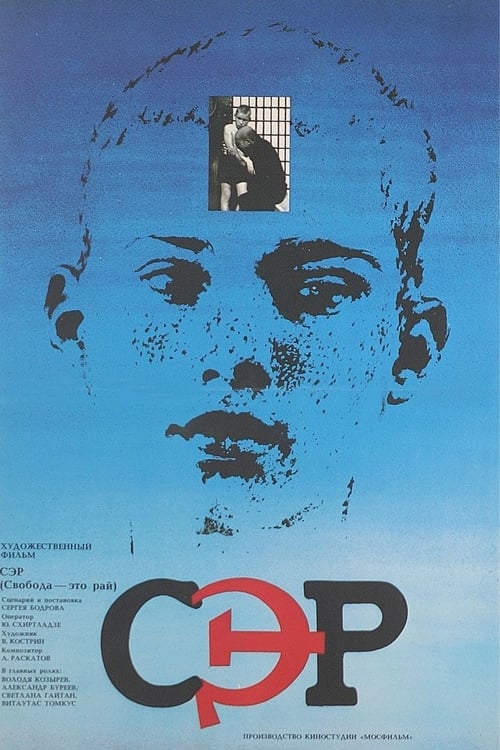
Freedom Is Paradise
1989
No user ratings available yet
Representation score: 3.3 out of 10
Representation Score
Fair
2008
Director
Christian Faure
Runtime
91 minutes
Average Rating
No ratings yetNew Showbiz Analysis
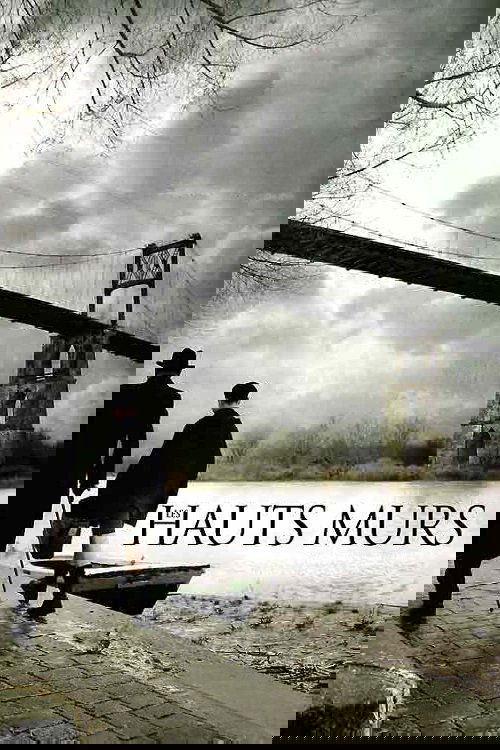
Behind the Walls is a period drama that prioritizes institutional critique over a broad range of social identities. It effectively uses its 1930s French setting to highlight the dehumanizing nature of state-run educational homes and the struggle for individual ability to act. However, the film lacks documented diversity in terms of race, gender, and LGBTQ+ identities. The narrative appears primarily focused on the singular experience of a male orphan, leaving little room for a broader spectrum of social identities. Ultimately, while the film challenges the morality of historical systems, it does not demonstrate the diverse casting or multifaceted character arcs necessary for a high progressive score.
Category Breakdown
The film does not include any explicit references to LGBTQ+ characters or non-straight relationships. The story focuses on the protagonist's struggle against institutional confinement.
The story centers around a male protagonist, Yves Tréguier, who navigates a state-driven system. Female characters have limited roles and do not show a significant role in driving the story.
Set in 1930s France, the film likely reflects the era's demographics. While it explores class-based exclusion, it does not explicitly document racial diversity.
The film critiques traditional Western institutions by portraying educational homes as oppressive, penal-like environments. The protagonist dreams of New York, suggesting a rejection of immediate social constraints.
The protagonist's status as an orphan highlights social vulnerability, but the film does not specifically address neurodivergence or physical disabilities. The focus remains on social exclusion.
Present on Screen
Limited or Absent
Official Synopsis
A young runaway rejects society's condemnation and dares to fulfill his dreams. France, 1930s. 14-year-old orphan Yves Tréguier sees the world through the bars of "educational homes" where he is raised in conditions worthy of a penal colony, and dreams of a dramatic escape across the ocean to New York.
1989

2015

2019

2020
2015

2010

1984
2003
No reviews yet. Be the first to share your thoughts on this movie!
Use the rating form above to leave a star rating and optional review.