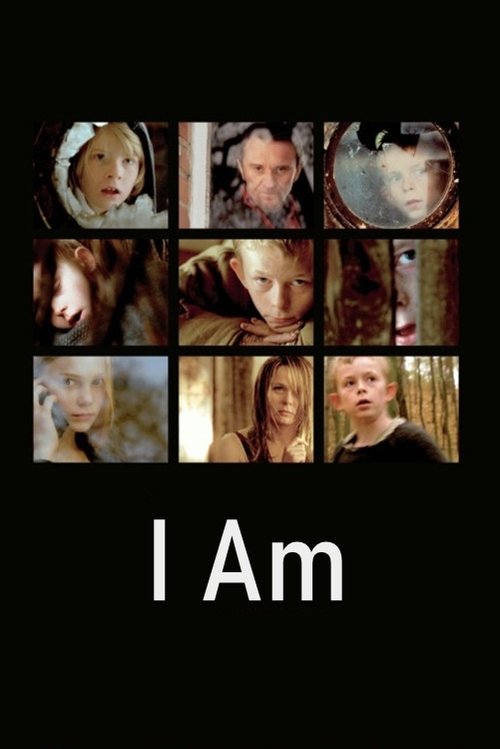
I Am
2005
No user ratings available yet
Representation score: 4.3 out of 10

Representation Score
Fair
2012
Director
Berend Boorsma, Roel Boorsma
Runtime
94 minutes
Average Rating
No ratings yetNew Showbiz Analysis
Milo is a character study that emphasizes psychological complexity and the subversion of traditional domestic norms. The film highlights the tension between institutional control and individual autonomy, using the protagonist's physical vulnerability to delve into existential themes. The narrative effectively deconstructs the traditional nuclear family and paternal authority. By depicting the home as an oppressive rather than a safe space, the film provides a progressive critique of conventional social structures. However, the film's diversity is limited by a lack of visible demographic variety. The absence of clear racial, ethnic, or LGBTQ+ representation prevents a higher overall score.
Category Breakdown
The film does not include any explicit LGBTQ+ characters or representations of non-straight relationships. The protagonist's journey involves personal identity exploration, but there are no overtly queer characters.
The story challenges traditional male authority by showing the father's strict control as isolating. However, the narrative does not provide significant roles for female characters to strengthen its score.
There is no information available regarding the racial or ethnic composition of the cast or setting. Consequently, no meaningful assessment of racial diversity can be made.
The film critiques traditional institutions by presenting a criminal couple as liberators. It dismantles the traditional nuclear family, viewing the home as an oppressive environment rather than a safe haven.
Milo's sensitive skin serves as a central element for his vulnerability and isolation. The narrative uses this condition to explore deep existential questions about identity.
Present on Screen
Limited or Absent
Official Synopsis
Milo, an isolated 10-year-old boy with 'sensitive skin', lives a life rigidly controlled by his father. Sparked by his first friendship, he runs away from home to attend the school camping trip - but never arrives. He falls into the hands of an ageing criminal couple, with whom he enjoys pure freedom from constraint - until he learns the shocking truth about his skin condition. Filled with doubt about his father's love for him, Milo must try to come to terms with who he really is.
2005

2017

2016
2016

2011

2015
2012

2024
No reviews yet. Be the first to share your thoughts on this movie!
Use the rating form above to leave a star rating and optional review.