ReMoved
2013
No user ratings available yet
Representation score: 2.1 out of 10
Representation Score
Good
2008
Director
Dome Karukoski
Runtime
108 minutes
Average Rating
No ratings yetNew Showbiz Analysis
The film critiques institutionalized care and systemic failures. By focusing on a youth displaced by a broken foster care system, it questions the idea of social stability. While it excels at examining authority and the experience of trauma, it lacks demographic diversity. The focus remains narrow, primarily reflecting the specific cultural and racial context of its Finnish setting. Ultimately, the work prioritizes systemic critique over diverse representation, emphasizing the empathetic portrayal of individual displacement within oppressive structures.
Category Breakdown
The film doesn't explicitly show queer identities or relationships. However, themes of isolation and institutional restrictions often serve as a backdrop for exploring non-traditional identities.
The story challenges traditional masculine roles by focusing on a protagonist shaped by trauma. A ruthless male authority figure critiques patriarchal leadership.
The narrative seems to reflect the predominantly white Finnish context. There is no indication of significant racial diversity or varied casting.
The film critically examines institutional failures. It portrays traditional Western family and state-run social services as sources of trauma and failure.
Juhani’s psychological issues and traumatic history are central. His mental state is portrayed with depth and not just as a plot device.
Present on Screen
Limited or Absent
Official Synopsis
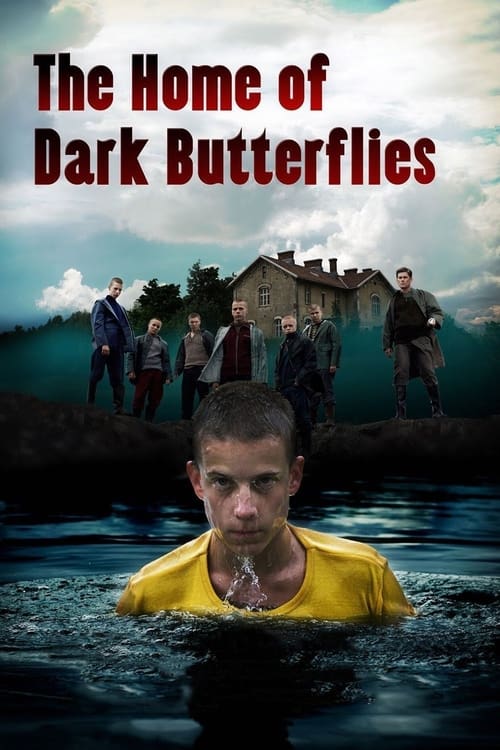
Haunted by his traumatic past and cautious about the prospects of an uncertain future, a fourteen year old boy named Juhani winds up in an isolated boys' home known as The Island. Juhani has been shuttled between foster homes and temporary families for the past six years, leaving any prospect of stability in his life a faded dream. When Juhani winds up in a remote shelter for troubled youth known as The Island, he has little idea of how ruthless superintendent Olavi Harjula can truly be.
2013

2014
2009
2002

2012

2015
2010
1999
No reviews yet. Be the first to share your thoughts on this movie!
Use the rating form above to leave a star rating and optional review.