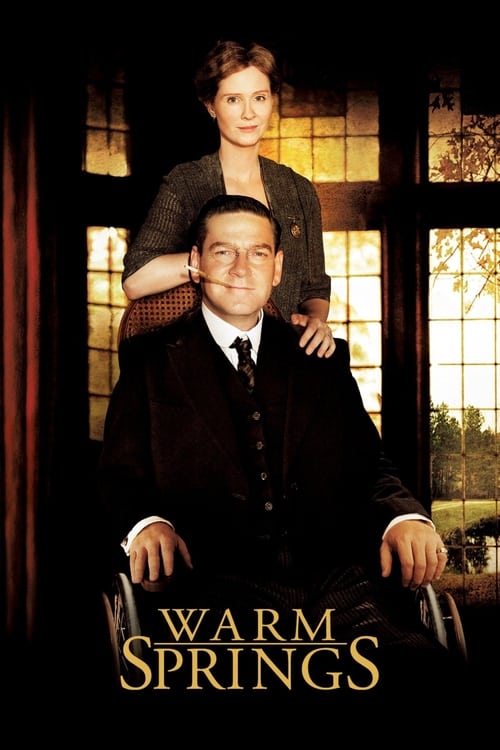
Warm Springs
2005
No user ratings available yet
Diversity score: 4.1 out of 10
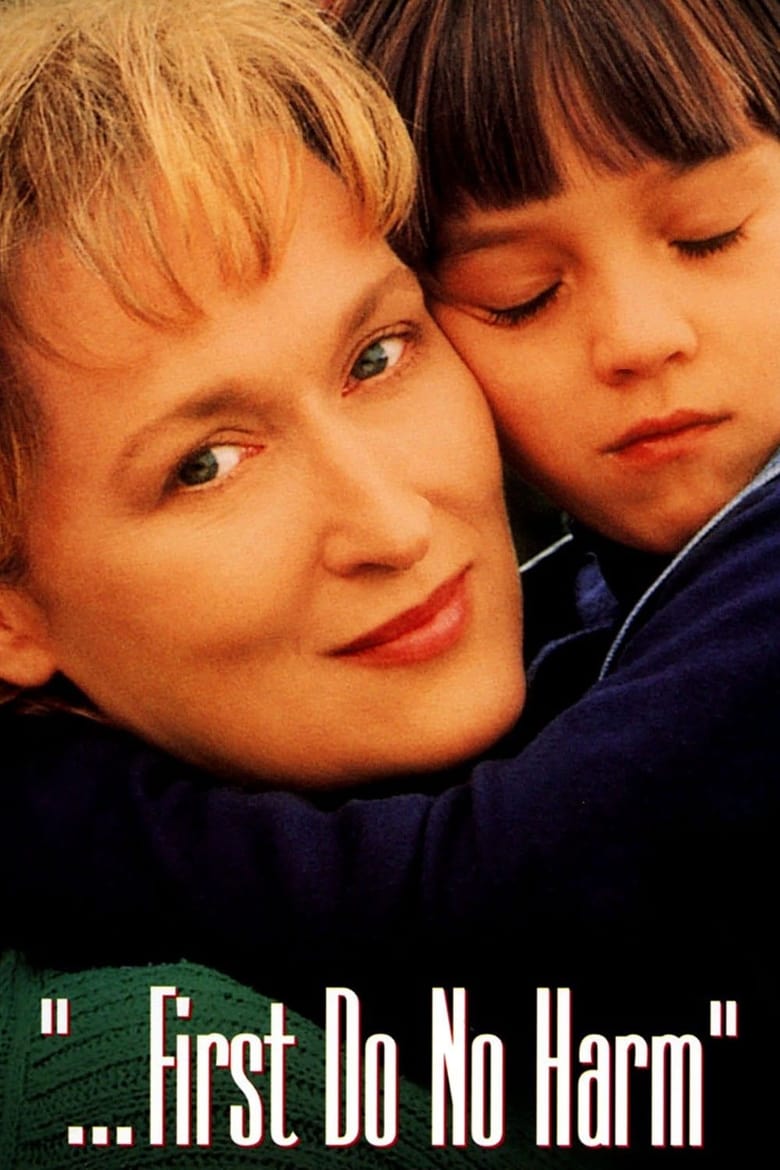
1997
PG-13Director
Jim Abrahams
Runtime
90 minutes
Average Rating
No ratings yetSynopsis
When Lori Reimuller learns that her young son Robbie has epilepsy, she first trusts the judgment of the hospital staff in how best to bring it under control. As Robbie's health slides radically downhill, however, she becomes frustrated and desperate, and so does her own research into the existing literature on treatments. When she decides to try an alternative treatment called the Ketogenic Diet, devised long ago by a doctor from Johns Hopkins, she is met with narrow-minded resistance from Robbie's doctor, who is prepared to take legal action to prevent Lori from removing him from the hospital.
Overall Score
Fair
Category Breakdown
LGBTQ+ Representation
The film operates within a heteronormative domestic framework. There are no LGBTQ+ characters or critiques of heteronormativity present in the narrative.
Gender Representation
Lori Reimuller challenges the male-dominated medical establishment to advocate for her son. This subverts traditional hierarchies by positioning female agency as the primary driver of the plot.
Racial & Ethnic Diversity
The narrative focuses on a mother's struggle, but the film lacks verified evidence of a non-white majority cast. Specific racialized power dynamics are not explicitly confirmed.
Religious & Cultural Diversity
The story explores the friction between scientific orthodoxy and alternative methodologies like the Ketogenic Diet. It avoids religious morality, focusing instead on individual parental agency.
Disability Representation
The plot is driven by the lived experience of a child with epilepsy. It provides a nuanced look at the complexities of managing a chronic neurological condition.
Strengths
Areas for Improvement
AI Analysis
The film succeeds as a character-driven drama that centers on maternal agency and the realities of managing a chronic disability. By focusing on the struggle against medical orthodoxy, it provides a meaningful look at the challenges faced by families navigating neurological illnesses. However, the film lacks broader intersectional breadth. The narrative remains confined to a traditional domestic structure, missing opportunities to explore diverse identities or systemic critiques beyond the medical institution.
2005
1979

1994
2003

1992

2001

1991

2004

2024

1983

1990

2002
No reviews yet. Be the first to share your thoughts on this movie!
Use the rating form above to leave a star rating and optional review.