You are here:

Damaged Care

Damaged Care

Representation Score

4.0/10

Limited

2002

PG

Director

Harry Winer

Runtime

114 minutes

Average Rating

No ratings yet

New Showbiz Analysis

Damaged Care primarily functions as a conventional drama centered on domestic conflict and institutional critique. While it avoids progressive identity-based storytelling, it finds strength in its moral stance against corporate greed. The film lacks depth in representing diverse identities, relying on a traditional family structure and a seemingly homogeneous cast. Despite the thematic weight of its social commentary, this absence of multifaceted representation limits its overall impact. Ultimately, the film explores the tension between individual morality and systemic corruption rather than focusing on diverse representation.

Watch this, not that →

Category Breakdown

Does Damaged Care have LGBTQ+ representation?

Limited

The film centers on a traditional family structure focused on a custody battle. There are no queer narratives or representations of non-straight identities among the main characters.

How does Damaged Care portray gender?

Fair

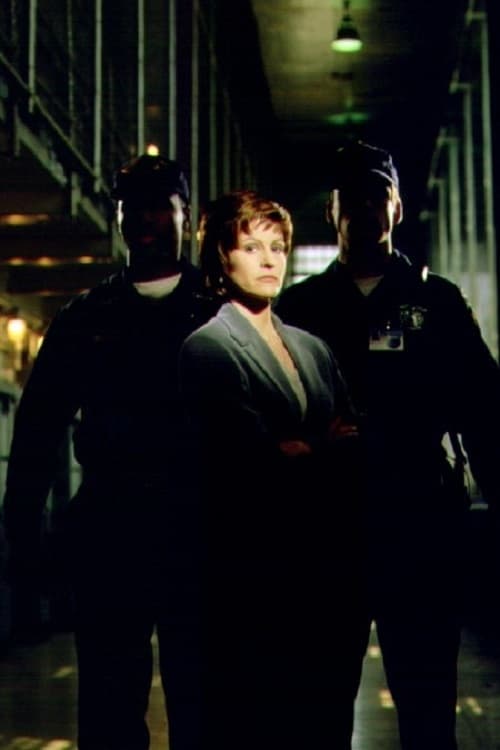
Linda holds a position of professional influence and moral leadership, challenging traditional gender roles. Doug faces domestic vulnerability, while the narrative emphasizes Linda's rebellion against corporate greed.

How racially and ethnically diverse is Damaged Care?

Limited

The film seems to follow the demographic norms of early 2000s television dramas. There is no indication of a diverse or multicultural cast within the provided context.

How does Damaged Care represent religion and culture?

Good

The story critiques Western healthcare and capitalism by portraying medical insurance companies as oppressive forces that undermine individual morality and social justice.

Does Damaged Care include disability representation?

Minimal

The narrative does not provide any information about characters with visible or invisible disabilities. Therefore, there is no representation of disability in the current context.

Present on Screen

  • The narrative provides a strong critique of the intersection between capitalism and healthcare.
  • Linda is portrayed with significant professional influence and moral leadership.
  • The film challenges traditional gender roles by placing the female lead in a position of systemic rebellion.

Limited or Absent

  • The film lacks representation of LGBTQ+ identities and queer narratives.
  • There is no evidence of racial or ethnic diversity within the character dynamics.
  • The story relies on traditional, homogeneous social structures common in early 2000s television.

Official Synopsis

Anesthesist Doug Peeno hopes to pay for the legal costs of his custody battle with the proceeds of his current wife Linda's new job, as medical officer in a greedy medical insurance company. Confronted with the medically unacceptable consequences of denied treatments, she rebels and finds even payments she approved were nevertheless withheld.

How are these scores produced? →

Where to Watch

Rate this Movie

No rating selected
Use arrow keys to select a rating from 1 to 5 stars
Optional text review, maximum 2000 characters
Tip: Wrap spoilers with ||double pipes|| to hide them
0/2000 characters
You must be signed in to submit a rating

Reviews

No reviews yet. Be the first to share your thoughts on this movie!

Use the rating form above to leave a star rating and optional review.