
Operation Heartbeat
1969
No user ratings available yet
Diversity score: 2.8 out of 10
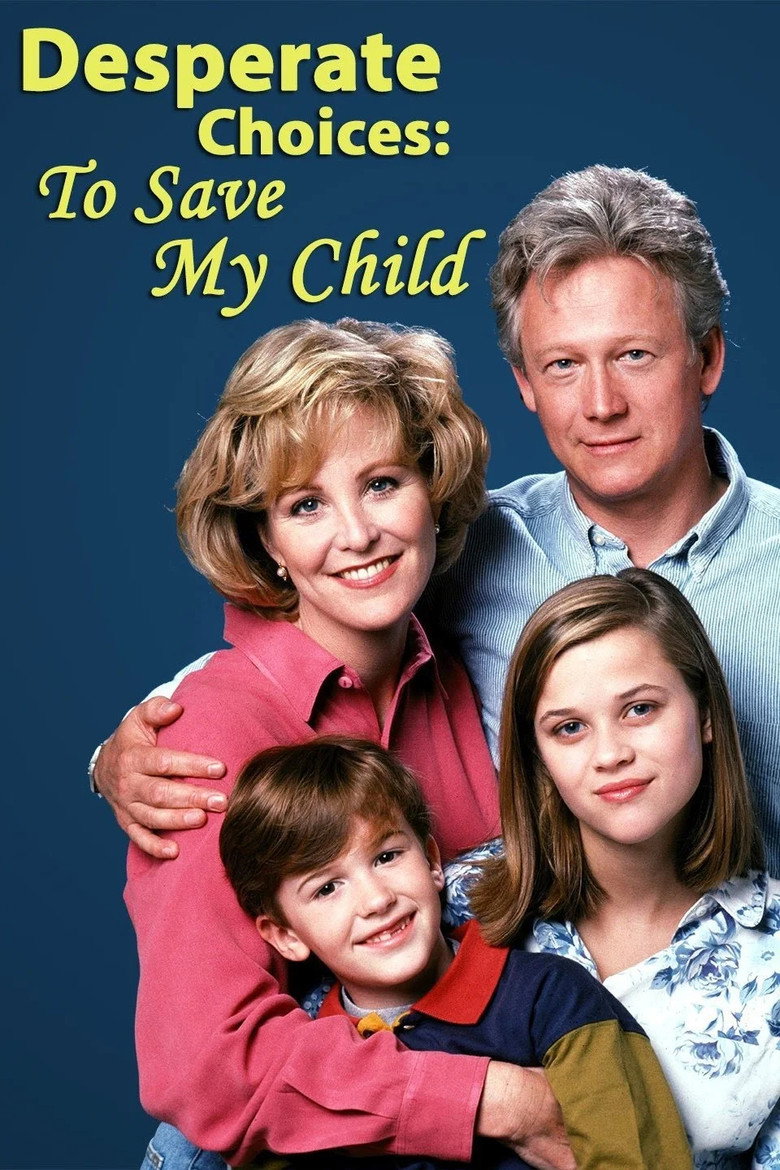
1992
Director
Andy Tennant
Runtime
100 minutes
Average Rating
No ratings yetSynopsis
Sixteen-year-old Cassie Robbins is a spirited teenage girl, who loves her father Richard and stepmother Mel and dotes on her six-year-old half-brother Willy. But her carefree, happy life is forever changed when she is diagnosed with leukeamia and her only hope of a cure lies in a bone-marrow transplant. However, when Willy proves to be a match, Mel is not-so-willing to allow her young son to undergo surgery as he nearly died the last time he was operated on after reacting badly to the anaesthetic. Mel and Richard now have to decide if it right to risk the life of one of their children to save the life of the other child. And of Willy's own rights in deciding if he should help the sister he hero-worships...?
Overall Score
Limited
Category Breakdown
LGBTQ+ Representation
The film centers on a traditional nuclear family structure. There is no evidence of LGBTQ+ characters or critiques of heteronormativity within the narrative.
Gender Representation
While Cassie serves as the central protagonist, the primary conflict is driven by adult decision-makers. The story focuses on domestic power struggles between the father and stepmother.
Racial & Ethnic Diversity
The narrative describes a homogeneous domestic unit. There is no mention of racial or ethnic diversity, following conventional 1990s television casting patterns.
Religious & Cultural Diversity
The story explores ethical dilemmas through a Western lens of familial duty. It emphasizes the sanctity of the family bond and traditional parental responsibilities.
Disability Representation
Leukemia provides the central narrative driver, giving the protagonist significant visibility. However, the character risks becoming a medical victim used to catalyze other characters' emotional arcs.
Strengths
Areas for Improvement
AI Analysis
Desperate Choices: To Save My Child functions as a standard 1990s domestic melodrama. It relies on a traditional family structure to explore high-stakes ethical dilemmas regarding medical necessity and parental responsibility. The film provides visibility to a life-threatening illness, yet it lacks intersectional depth. The narrative reinforces conventional social hierarchies and heteronormative frameworks rather than challenging them. Ultimately, the film prioritizes emotional weight and traditional moral paradigms over diverse demographic representation or subversive social commentary.
1969

1994

1990
1979
1997
1996

2017

1988

2001
1998
1983

1988
No reviews yet. Be the first to share your thoughts on this movie!
Use the rating form above to leave a star rating and optional review.