
Though None Go with Me
2006
No user ratings available yet
Representation score: 0.2 out of 10
Representation Score
Limited
2003
Director
Fabrizio Costa
Runtime
110 minutes
Average Rating
No ratings yetNew Showbiz Analysis
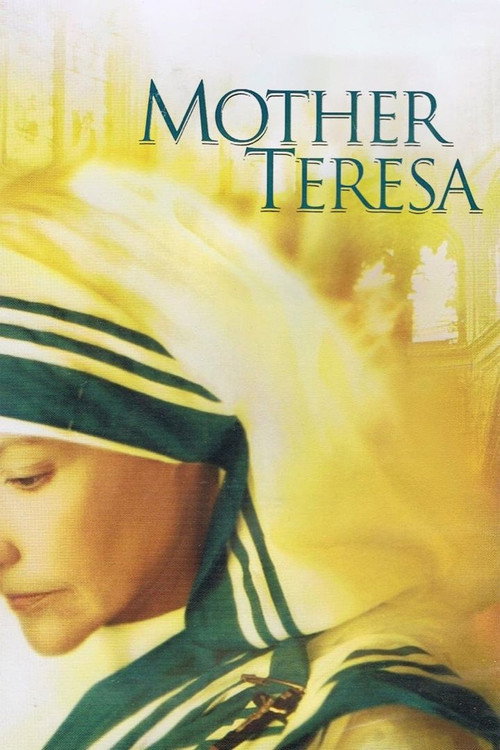
Mother Teresa of Calcutta is portrayed in a traditional biographical drama format. The film centers on her spiritual journey and humanitarian work, emphasizing devotion over social hierarchy subversion. The film achieves diversity through its Calcutta setting and the portrayal of underrepresented populations. However, these elements are viewed through a Western religious lens. Overall, the film adheres to traditional moral and institutional frameworks, lacking the identity-driven deconstruction or systemic subversion found in more progressive contemporary media.
Category Breakdown
The film does not include any LGBTQ+ characters or narratives. It focuses on traditional religious devotion and celibacy.
Mother Teresa is portrayed as a strong female character with significant influence. However, the narrative emphasizes traditional views of feminine piety and self-sacrifice.
The film highlights high ethnic diversity in its Calcutta setting, focusing on underrepresented communities. However, the storytelling lens remains tied to a Western religious perspective.
The movie centers on Christian faith and Church authority, promoting a singular religious morality without exploring secular or moral relativism.
The film includes characters with disabilities, particularly those suffering from leprosy and physical ailments. However, it is unclear if these characters have ability to act or are primarily subjects of charity.
Present on Screen
Limited or Absent
Official Synopsis
The inspirational portrayal of Mother Teresa, a simple nun who became one of the most significant personalities of the 20th Century. Armed with a faith that could move mountains, Mother Teresa followed her calling to help the poor, the lepers, the dying and the abandoned children in the slums of Calcutta, challenging many authorities - including the church - along the way.
2006

1985

2022
2008
1987

2003
2014
2000
No reviews yet. Be the first to share your thoughts on this movie!
Use the rating form above to leave a star rating and optional review.