
After the SIlence
1996
No user ratings available yet
Representation score: 7.3 out of 10
Representation Score
Good
1991
PG-13Director
Diane Keaton
Runtime
91 minutes
Average Rating
No ratings yetNew Showbiz Analysis
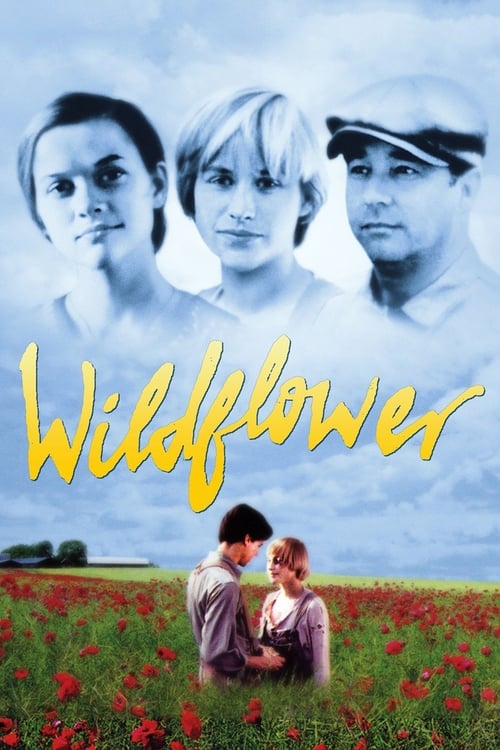
Wildflower is a character-driven drama that excels in its nuanced portrayal of disability. By centering Alice's struggle for autonomy despite her deafness and epilepsy, the film avoids common clichés of passive victimhood. However, the film's impact is limited by a lack of visible racial or LGBTQ+ representation. Ultimately, the film succeeds as a critique of patriarchal domestic structures, even if it operates within a relatively homogeneous social framework.
Category Breakdown
The story focuses on childhood friendships and family abuse without any explicit mention of queer identities or non-straight relationships.
The story centers on a strong female lead who fights against patriarchal oppression. Alice is portrayed as a resilient figure battling a male antagonist who uses his authority to cause harm.
The film follows conventional casting patterns. There is no indication of a diverse cast or intentional multi-layered representation.
The film portrays the domestic unit as a site of trauma, emphasizing the humanity of underrepresented individuals.
Alice is defined by both partial deafness and epilepsy. The film grants her ability to act, treating her disabilities as part of her identity rather than mere plot devices.
Present on Screen
Limited or Absent
Official Synopsis
One day Sammy and his younger sister Ellie happen upon a cabin where Alice, a young, partially deaf girl with epilepsy is being kept by her abusive stepfather. The three soon become friends and hope to get Alice an education and help her escape from the torture she undergoes daily. However, Alice's stepfather soon finds out about the friendship Alice has struck up and punishes her brutally. This story of friendship and youth shows that everyone is human and deserves to be treated so, no matter their disability or weakness.
1996

2014
1994
1962

1990
1998
1979

2013
No reviews yet. Be the first to share your thoughts on this movie!
Use the rating form above to leave a star rating and optional review.