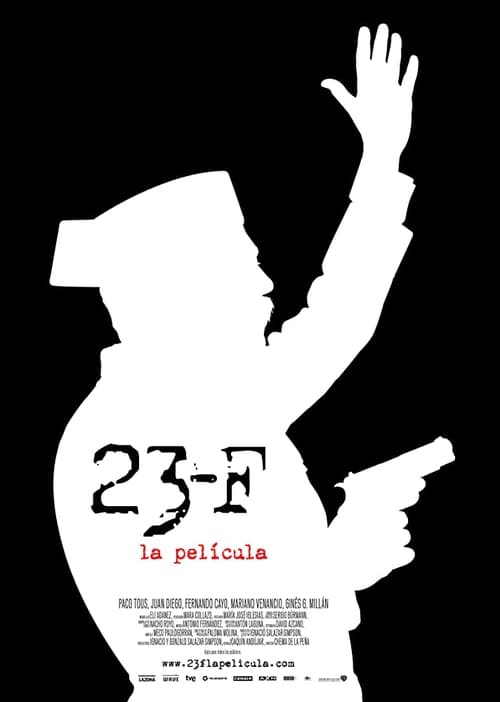
23-F: la película
2011
No user ratings available yet
Representation score: 3.2 out of 10
Representation Score
Limited
1979
Director
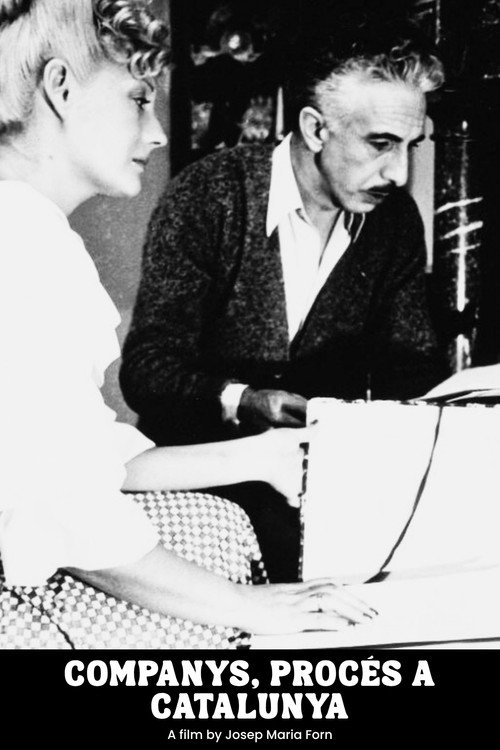
Josep Maria Forn
Runtime
125 minutes
Average Rating
No ratings yetNew Showbiz Analysis
Josep Maria Forn’s work focuses on intellectual and political critique rather than broad demographic representation. The film serves as a sophisticated deconstruction of systemic power, using the historical tragedy of Lluís Companys to question the legitimacy of the State and Church. Though the film lacks representation in terms of gender, race, and LGBTQ+ identities, it achieves depth through its cultural commentary. It replaces traditional moral stability with a study of social breakdown and moral relativism under oppression. Ultimately, the film is a study of regional identity and institutional repression rather than a diverse ensemble piece.
Category Breakdown
The film does not include any LGBTQ+ characters or explore non-straight relationships. The social environment is strictly defined by traditional structures.
The story centers around a male-dominated society with strong patriarchal influences. Women are shown mainly in traditional, domestic, or submissive roles, reinforcing the period's gender hierarchy.
The casting is mostly uniform, reflecting the regional context of Catalonia. While it delves into Catalan identity under Spanish centralism, it lacks diverse racial representation.
The film effectively critiques institutional power, breaking down the State and Church as tools of repression. It uses communal violence to challenge established moral stability.
There are no prominent depictions of visible or invisible disabilities that play a key role in the narrative or serve as central character arcs.
Present on Screen
Limited or Absent
Official Synopsis
1939: The remains of the Spanish Republican Army crossed the French border. Among the exiles are Lluís Companys, President of the Generalitat de Catalunya, and also Aguirre, President of the Basque Government. After the invasion of France by Nazi troops, Companys will be arrested by the Gestapo and handed over to the Francoist authorities. Led by the Count of Mayalde, he is transferred to Madrid and later to Barcelona. After a summary trial, Companys is condemned to death and shot.
2011
2011
1980
1971
1955
2017
1964

1950
No reviews yet. Be the first to share your thoughts on this movie!
Use the rating form above to leave a star rating and optional review.