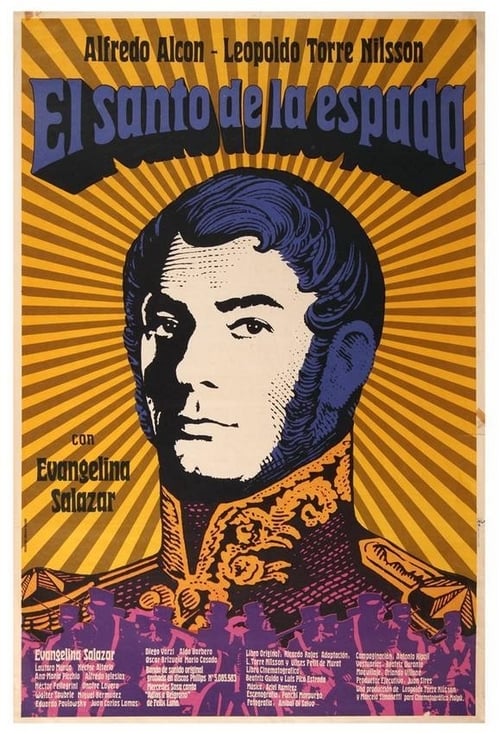
The Knight of the Sword
1970
No user ratings available yet
Representation score: 1.9 out of 10

Representation Score
Minimal
1950
Director
Juan de Orduña
Runtime
125 minutes
Average Rating
No ratings yetNew Showbiz Analysis
Agustina of Aragon presents a compelling portrayal of female martial leadership within a traditional framework. The protagonist breaks gendered expectations by leading battles and firing cannons, offering a rare instance of combat leadership for a woman in 1950s cinema. However, the film remains deeply rooted in mid-century nationalist values. Its emphasis on ethnic homogeneity and religious orthodoxy limits its broader social impact, focusing instead on a singular, idealized vision of Spanish identity. Ultimately, the film serves as a patriotic epic that reinforces established hierarchies rather than challenging them.
Category Breakdown
The film follows the social norms of its time and historical context. It does not depict any non-cisgender identities or same-sex relationships.
Agustina challenges traditional gender roles by taking on military leadership and operating heavy artillery. However, her actions are portrayed as a feminine sacrifice for the state rather than a critique of patriarchal structures.
The cast is ethnically uniform, reflecting the 1950s production standards and the historical setting. The film does not include diverse ethnic perspectives or use color-blind casting.
The narrative highlights patriotism, religious devotion, and the sanctity of the nation-state. It upholds singular nationalistic ideals and Catholic iconography without questioning centralized authority.
There are no depictions of neurodivergence or physical disabilities. Characters are portrayed through an idealized lens of heroism.
Present on Screen
Limited or Absent
Official Synopsis
1808. During the Spanish Independence war the city of Zaragoza is besieged by French troops. Spanish forces under General Palafox are scarce. Brave Agustina doesn't hesitate to lead the battle and even fire a cannon to stop the invaders when others run away. Based on historical facts.
1970

1944
1929

2016
2013

2020
2017

1964
No reviews yet. Be the first to share your thoughts on this movie!
Use the rating form above to leave a star rating and optional review.