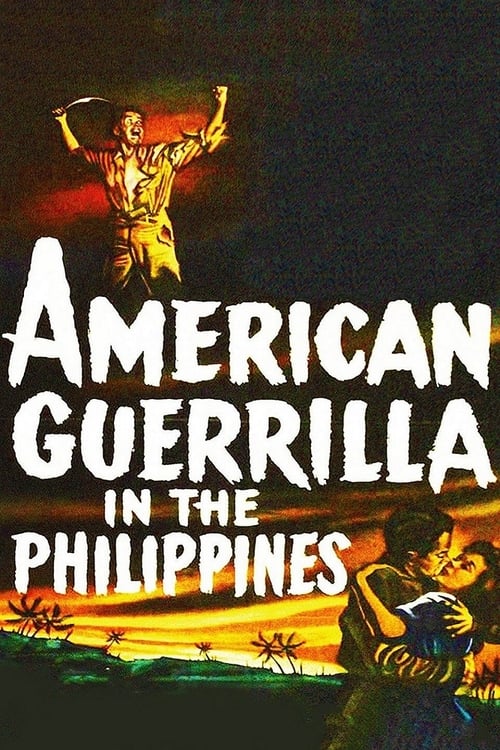
American Guerrilla in the Philippines
1950
No user ratings available yet
Diversity score: 3.1 out of 10
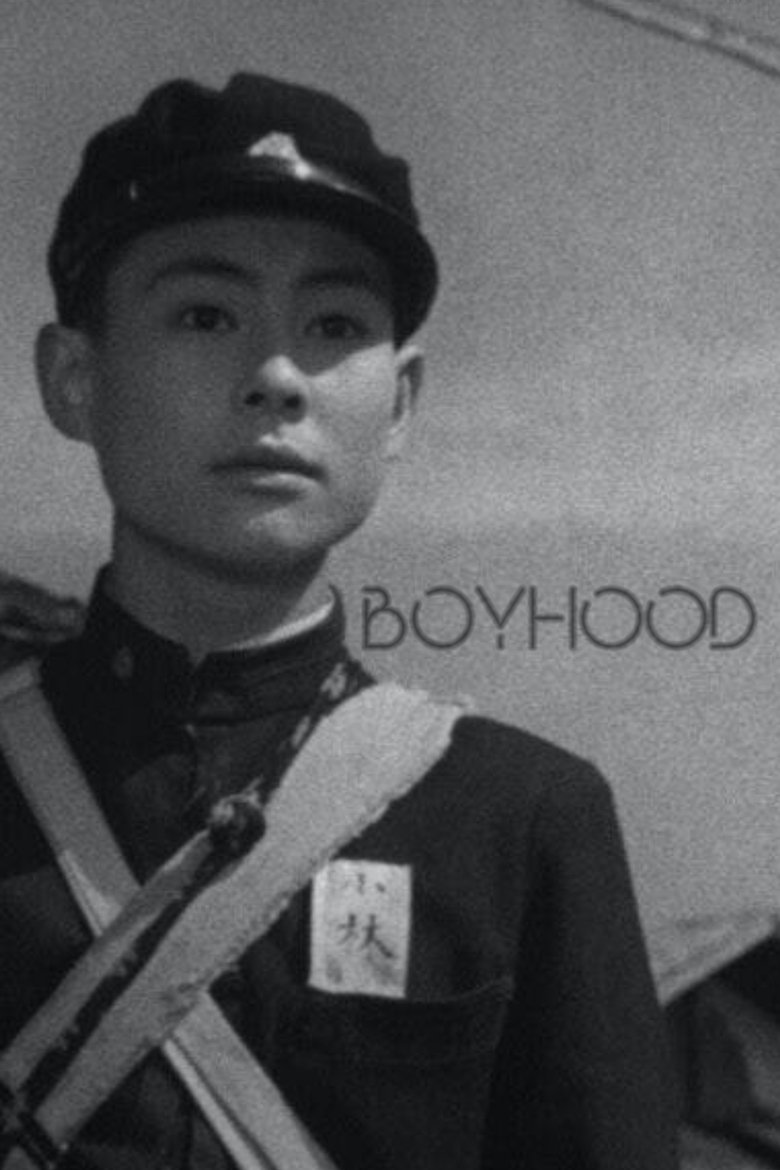
1951
Director
Keisuke Kinoshita
Runtime
110 minutes
Average Rating
No ratings yetSynopsis
When a family has to relocate due to the war, they are ostracized by their new community.
Overall Score
Limited
Category Breakdown
LGBTQ+ Representation
The film lacks any discernible presence of non-cisnormative identities. Character arcs focus on traditional developmental milestones within a mid-century social framework.
Gender Representation
The narrative reinforces traditional domestic structures and period-specific social hierarchies. It portrays established roles within the family and school system without subverting gendered power dynamics.
Racial & Ethnic Diversity
The film features a culturally homogeneous Japanese cast that aligns with its historical context. This authenticity serves the director's realist aims rather than attempting to disrupt ethnic homogeneity.
Religious & Cultural Diversity
The story focuses on a family navigating relocation and community ostracization. It maintains a traditional approach to social cohesion and moral development without deconstructing Western institutions.
Disability Representation
There are no visible or invisible disabilities portrayed with agency. The film does not utilize disability as a central narrative device or tool for character development.
Strengths
Areas for Improvement
AI Analysis
Boyhood is a realist coming-of-age drama that prioritizes historical authenticity over social disruption. It captures the psychological development of a youth navigating the shifting social landscape of post-war Japan. The film's architecture is built upon the traditional structures of its era. While it provides a nuanced look at family life, it largely adheres to the conventional expectations of masculinity and femininity prevalent in the 1950s. Ultimately, the representation is culturally consistent with its time. It lacks the intersectional complexity or systemic critique found in more contemporary, progressive cinema.
1950
1949

2008

1965
1946

1969

1989
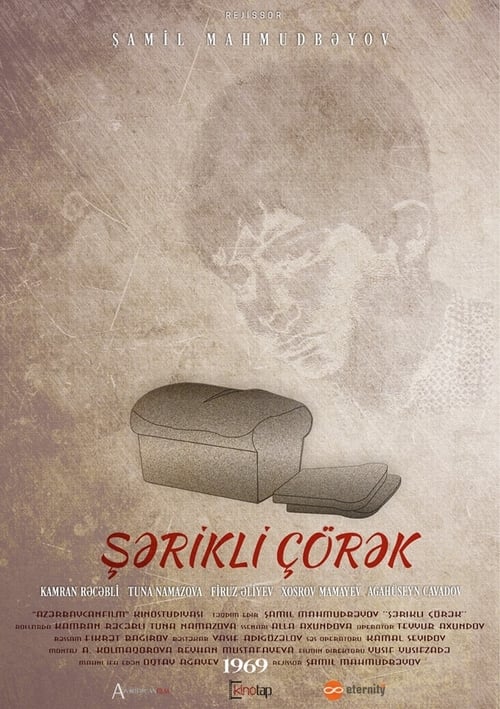
1969
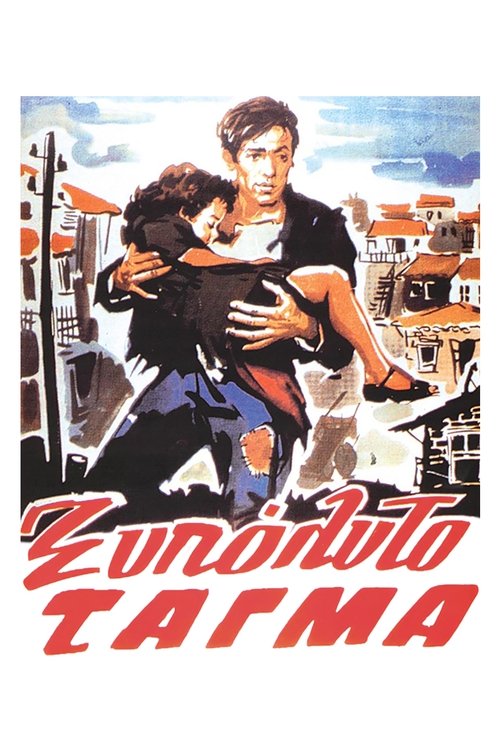
1953
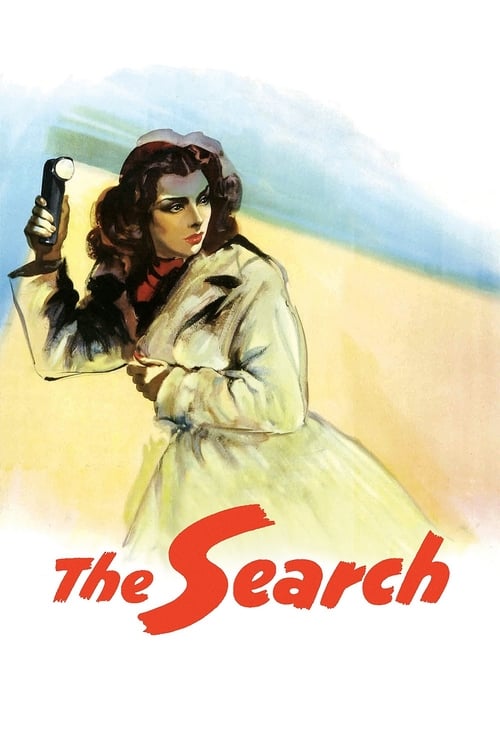
1948

1944

1985
No reviews yet. Be the first to share your thoughts on this movie!
Use the rating form above to leave a star rating and optional review.