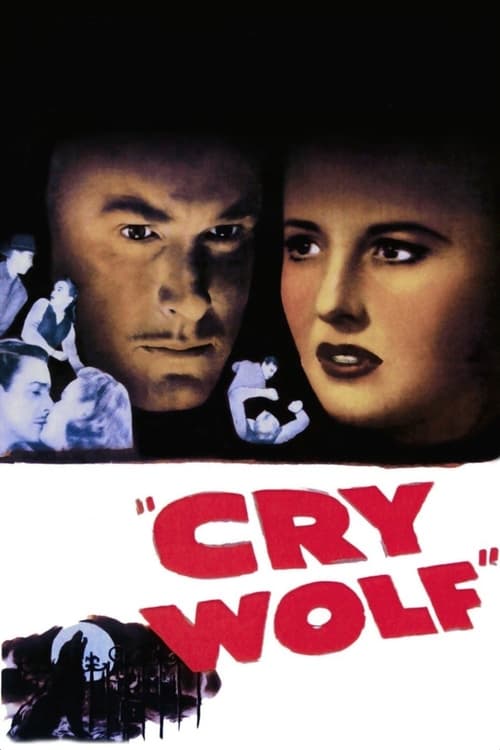
Cry Wolf
1947
No user ratings available yet
Representation score: 0.6 out of 10
Representation Score
Limited
1945
ApprovedDirector
Joseph H. Lewis
Runtime
65 minutes
Average Rating
No ratings yetNew Showbiz Analysis
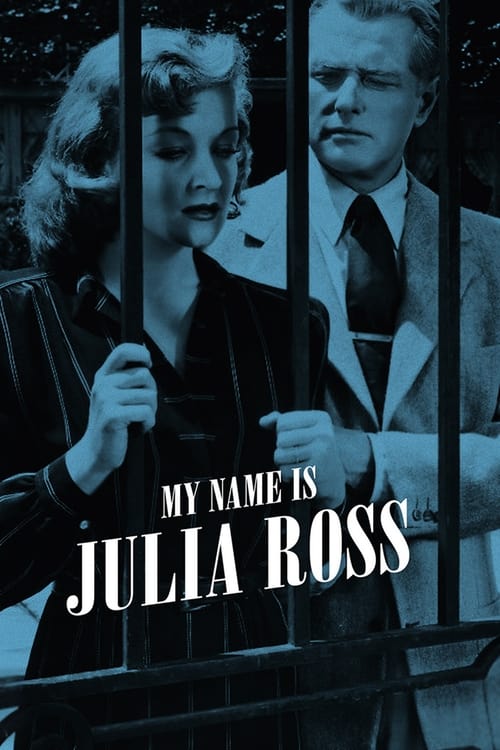
Joseph H. Lewis delivers a sophisticated psychological thriller that challenges many gendered expectations of 1945. By centering the plot on women's ability to drive the story and intellectual survival, the film moves beyond the passive victim clichés common in the noir genre. However, the film lacks diversity. It operates within a narrow, Anglo-centric social framework and offers no representation of LGBTQ+ identities or significant racial diversity. Ultimately, the film is a study of identity and psychological warfare. While it uses mental health as a narrative device for gaslighting, it remains a compelling character study of a woman fighting to reclaim her truth.
Category Breakdown
The film does not include any visible LGBTQ+ characters or narratives. The central conflict revolves around traditional romantic and domestic deception.
Julia Ross challenges mid-century hierarchies by using her intellect and resilience to survive a predatory environment. The film passes the Bechdel test through interactions between the protagonist and female antagonist.
The cast is homogeneous, reflecting the production standards of the era. The narrative operates within a strictly Anglo-centric social framework without significant ethnic diversity.
The story depicts a high-society, capitalist setting without critiquing the institution. It follows traditional 1940s moral frameworks where deception serves as a suspenseful plot device.
The protagonist's history with a psychiatric institution is a critical plot element. While it drives the theme of gaslighting, it functions primarily as a tool for narrative tension.
Present on Screen
Limited or Absent
Official Synopsis
Julia Ross secures employment with a wealthy widow and goes to live at her house. Two days later, she awakens in a different house in different clothes and with a new identity.
1947
1944
1954
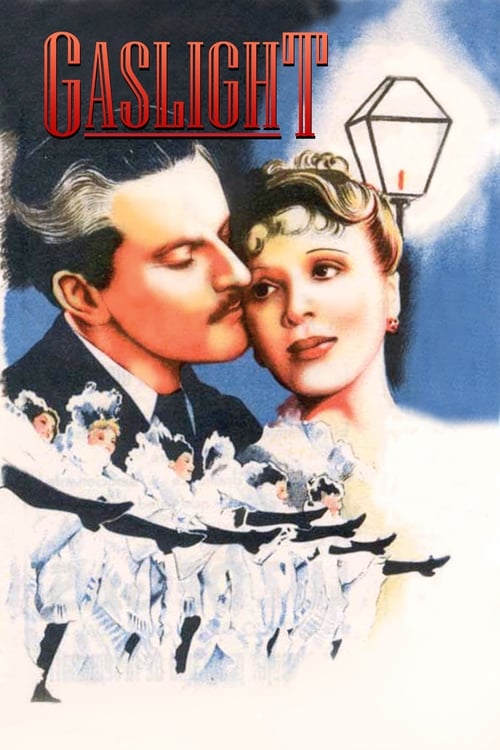
1940
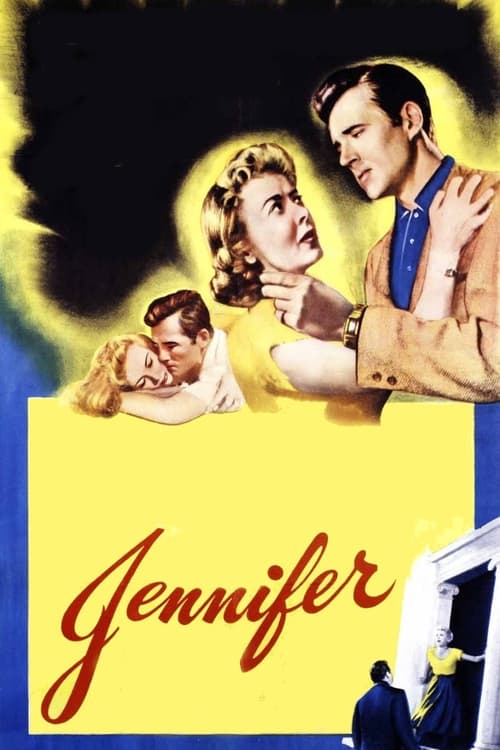
1953
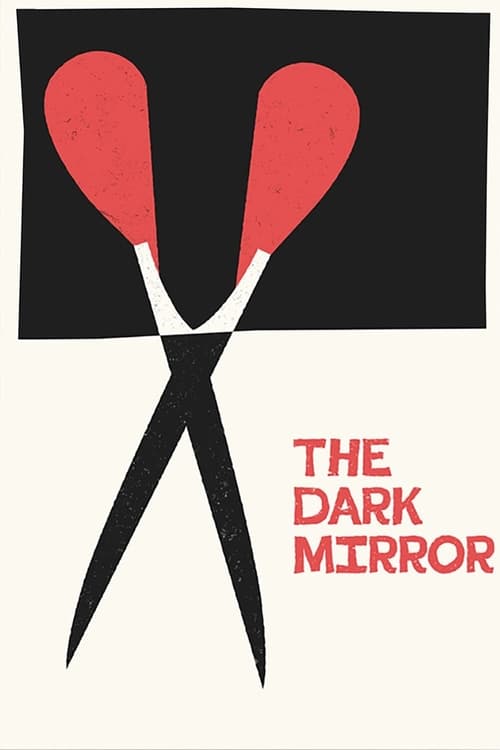
1946
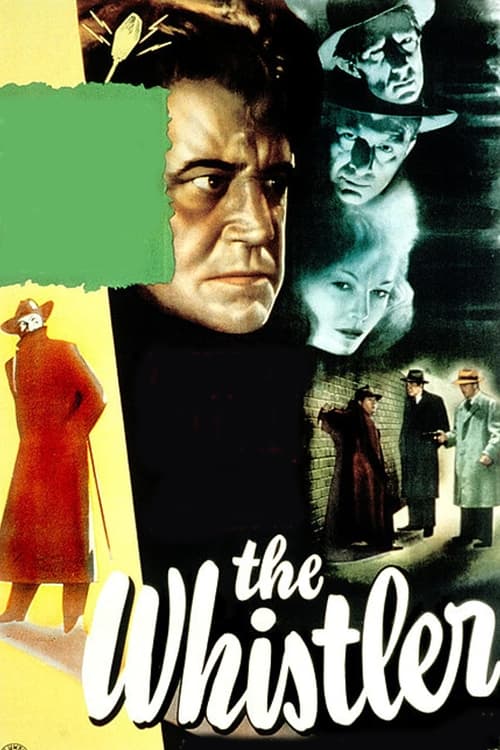
1944
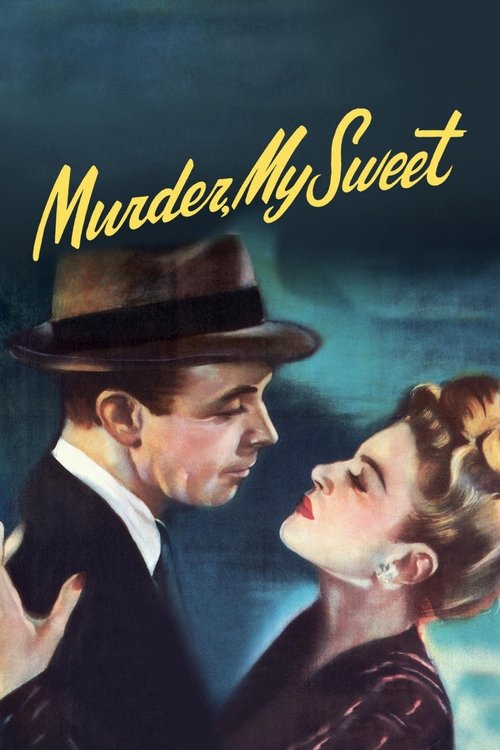
1944
No reviews yet. Be the first to share your thoughts on this movie!
Use the rating form above to leave a star rating and optional review.