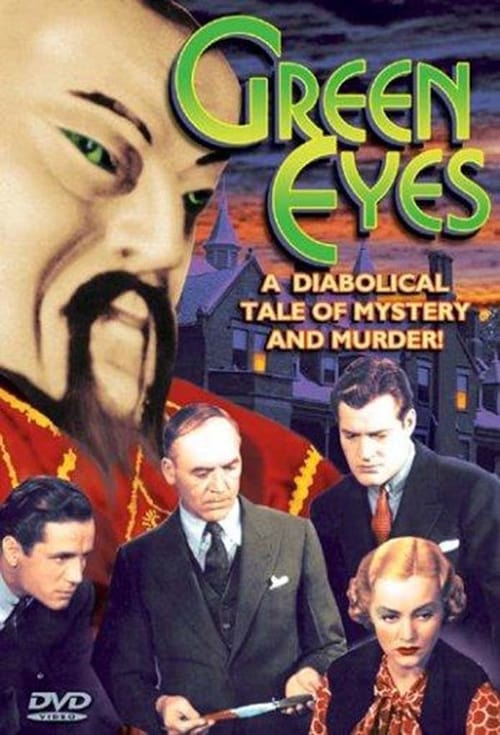
Green Eyes
1934
No user ratings available yet
Representation score: 1.4 out of 10
Representation Score
Minimal
1937
NRDirector
Richard Thorpe
Runtime
116 minutes
Average Rating
No ratings yetNew Showbiz Analysis
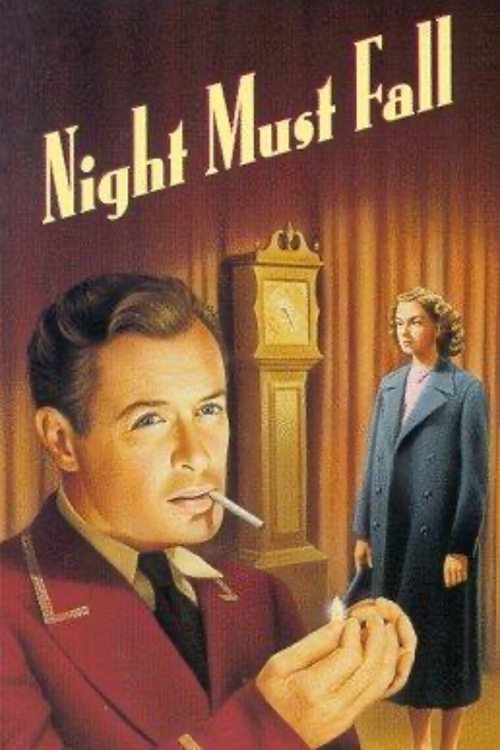
Night Must Fall is a traditional psychological thriller that prioritizes character-driven tension over demographic breadth. The film focuses on the mechanics of human deception and the 'mask of sociopathy' rather than social identity. While the film offers a sophisticated look at psychological manipulation, it remains a product of its historical context. The narrative lacks diverse representation and multi-layered complexity, functioning within the standard studio system conventions of the 1930s. Ultimately, the film's scope is narrow, centering on individual criminality and institutional authority rather than broader systemic critiques or diverse social frameworks.
Category Breakdown
The film strictly follows the assumption that everyone is straight or cisgender. There is no depiction of non-binary gender identities or same-sex relationships.
The narrative features a complex power struggle that challenges simple clichés of submissive femininity. Female characters hold positions of authority, but the central tension revolves around the male lead's psychological dominance.
Casting is uniform, reflecting the era's social constraints. There is no significant presence of characters of color or diverse backgrounds in the primary narrative arc.
The film explores psychological moral relativism through a character study of sociopathy. It operates within the established social order without challenging Western institutions or organized religion.
There are no visible or invisible disabilities portrayed with real power. Characters are defined by social and professional roles rather than neurodivergence or physical disability.
Present on Screen
Limited or Absent
Official Synopsis
Wealthy widow Mrs. Bramson notices that her maid is distracted, and when she learns the girl's fiancé, Danny, is the reason, she summons him in. Mrs. Bramson's niece Olivia takes a liking to Danny, and comes to believe that he may have been involved in the disappearance of a local woman.
1934
1944
1947
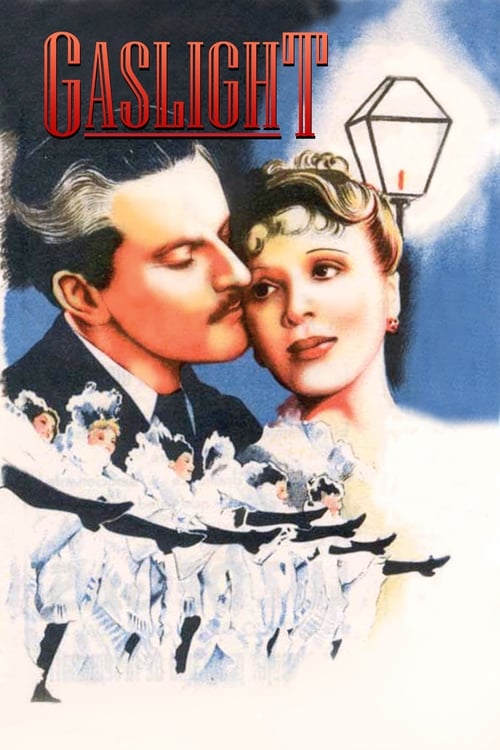
1940
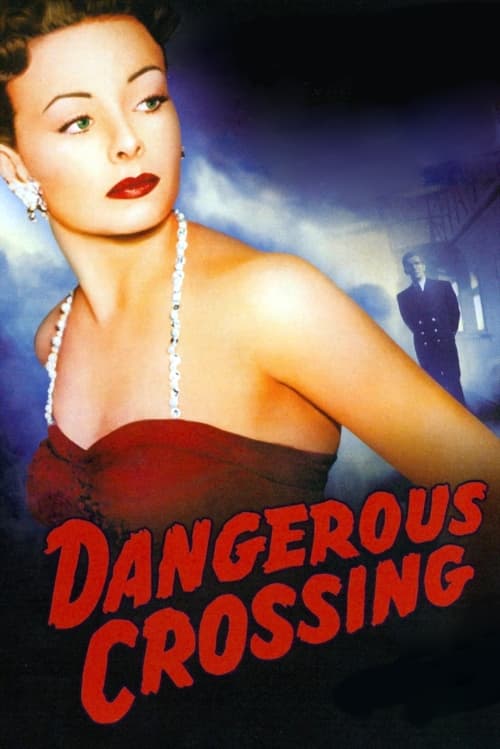
1953

1940
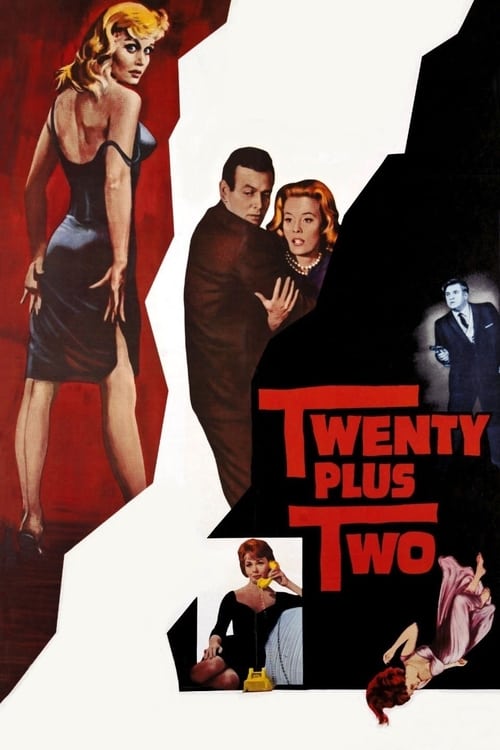
1961
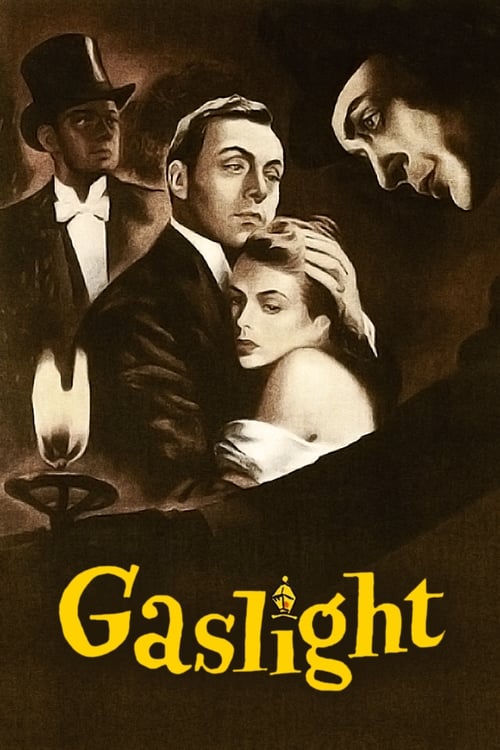
1944
No reviews yet. Be the first to share your thoughts on this movie!
Use the rating form above to leave a star rating and optional review.