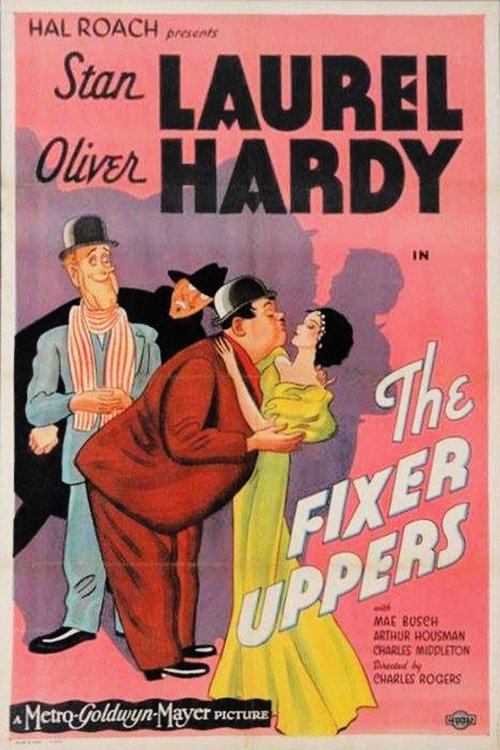
The Fixer Uppers
1935
No user ratings available yet
Representation score: 1.4 out of 10
Representation Score
Minimal
1935
NRDirector
Charley Rogers
Runtime
20 minutes
Average Rating
No ratings yetNew Showbiz Analysis
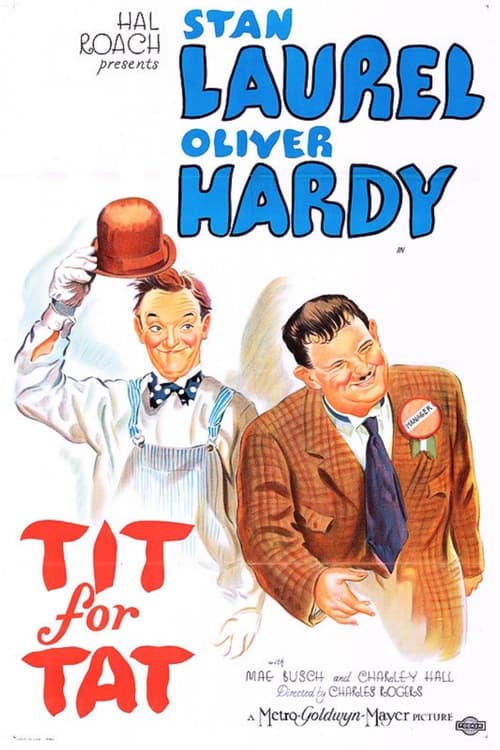
Tit for Tat is a product of its time, using established comedic archetypes and social hierarchies from the mid-1930s. The film relies on situational humor and traditional domestic tensions rather than any intentional challenge to social norms. The narrative structure emphasizes conventional Western values, focusing on small-scale business interactions and the preservation of social propriety. It lacks meaningful representation of diverse identities, reflecting the homogeneous demographic standards of early Hollywood productions.
Category Breakdown
The story revolves around traditional marriages and domestic misunderstandings. There are no representations of LGBTQ+ identities or narratives that challenge the assumption that everyone is straight.
Gender roles follow the conventions of the 1930s, with the female character primarily serving as a plot catalyst. The film does not challenge traditional gender hierarchies or domestic roles.
The cast reflects the homogeneous demographics typical of early Hollywood. The narrative centers on a conventional, Anglo-centric social environment.
Humor arises from maintaining Western social norms and community respect. The story focuses on small-scale business interactions without challenging cultural institutions.
There are no characters with visible or invisible disabilities in the narrative.
Present on Screen
Limited or Absent
Official Synopsis
Stan and Ollie have set up their own electrical appliance store but, unfortunately for them, the grocery right next door is run by the man and wife whom they encountered in "Them Thar Hills" (1935). Stan and Ollie go and visit to offer the hand of friendship, but the grocer again becomes convinced that Ollie and his wife are fooling around.
1935

1934
1934
1933
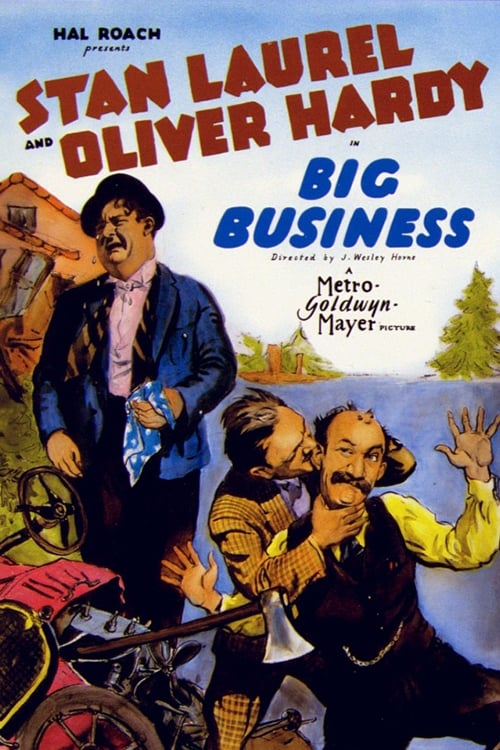
1929
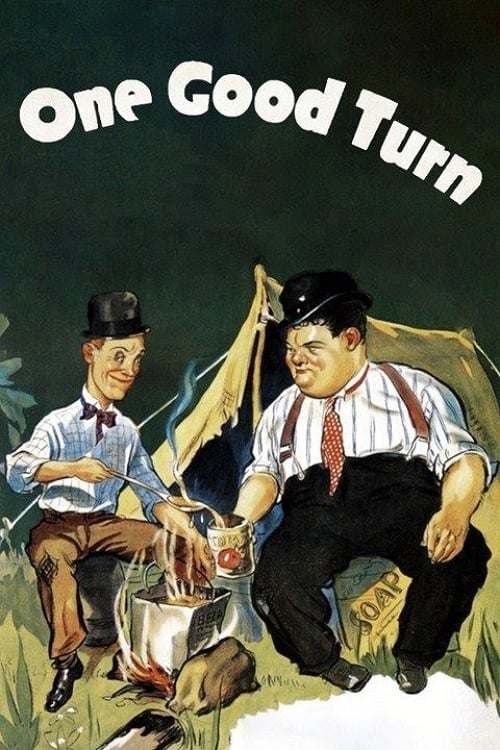
1931
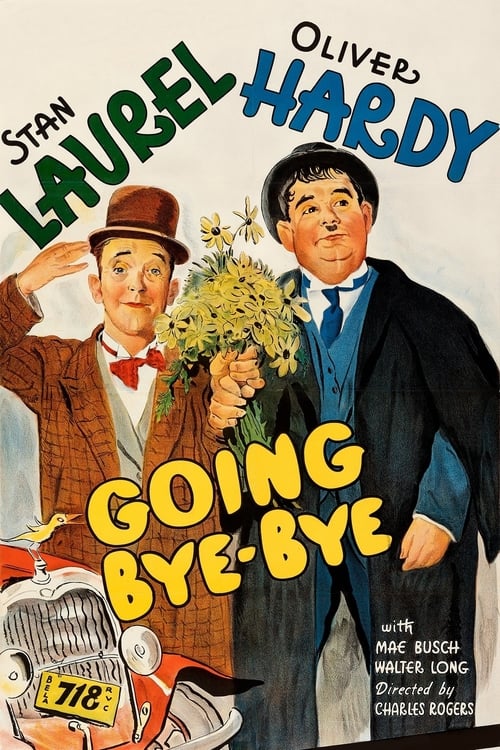
1934

1931
No reviews yet. Be the first to share your thoughts on this movie!
Use the rating form above to leave a star rating and optional review.