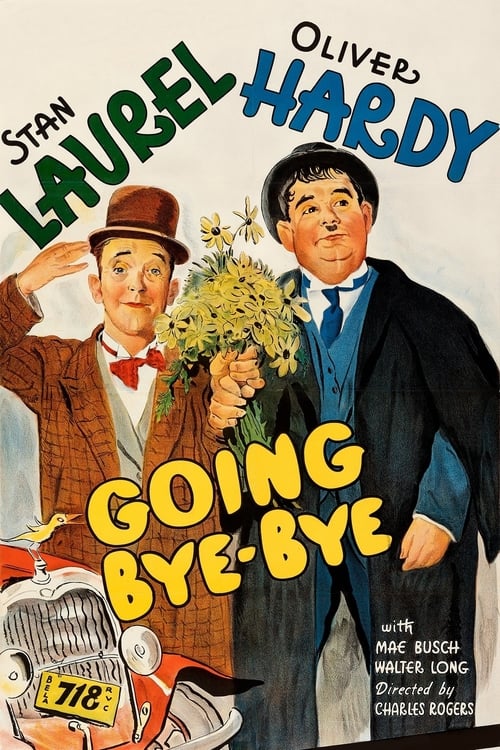
Going Bye-Bye!
1934
No user ratings available yet
Representation score: 0.3 out of 10
Representation Score
Minimal
1934
NRDirector
Charley Rogers
Runtime
21 minutes
Average Rating
No ratings yetNew Showbiz Analysis
The Live Ghost is a period-specific slapstick comedy that adheres strictly to the social and narrative boundaries of 1934. The film focuses on physical humor and situational irony through a male-dominated lens, offering almost no representation of diverse identities. While the film captures the comedic structures of its era, it lacks any intentional effort to include diverse identities or disrupt conventional social hierarchies. The cast and settings reflect the homogeneous standards of early 1930s American short films.
Category Breakdown
The film does not include any LGBTQ+ characters or representations of non-straight relationships. It features a traditional male-centric comedic dynamic typical of the 1930s.
The narrative centers on male protagonists and male-dominated environments such as fish markets and bars. There is no meaningful female presence or subversion of gender hierarchies.
The film reflects the homogeneous casting standards of early 1930s American shorts. It presents a white-centric, Anglo-Saxon-dominated social setting without diverse casting.
The story operates within a traditional maritime and capitalist framework. It uses themes like shanghaiing as comedic devices rather than critiques of Western institutions.
There is no documented evidence of characters with visible or invisible disabilities integrated into the narrative arc.
Present on Screen
Limited or Absent
Official Synopsis
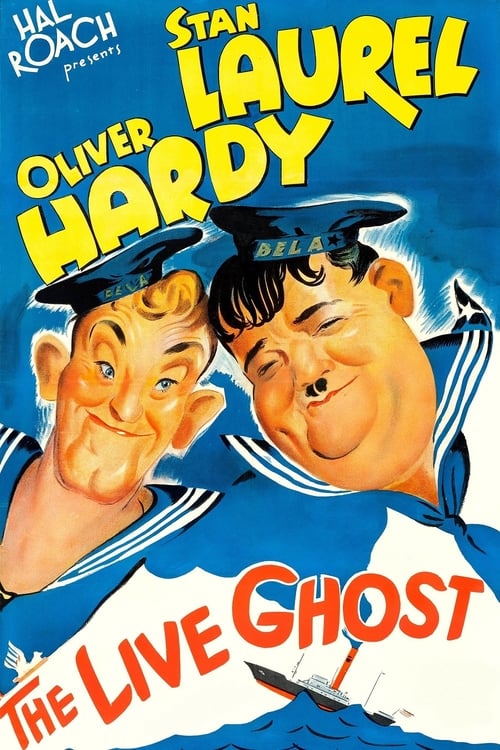
Fish market workers Stan and Ollie are persuaded by a sea captain to shanghai a crew for him at the local bar for a dollar a head. Successful at first, the boys end up getting themselves shanghaied, and the crew vow revenge.
1934

1931

1915
1940
1929
1932
1941
1945
No reviews yet. Be the first to share your thoughts on this movie!
Use the rating form above to leave a star rating and optional review.