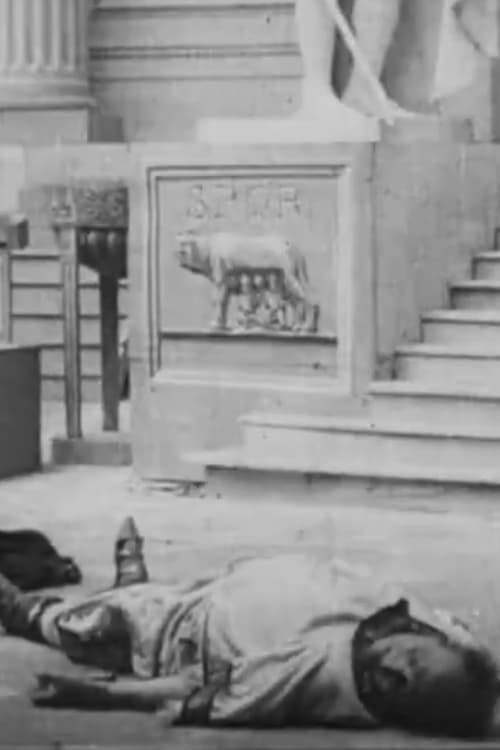
Julius Caesar, an Historical Tragedy
1908
No user ratings available yet
Representation score: 0.5 out of 10
Representation Score
Minimal
1909
Director
Giovanni Pastrone
Runtime
13 minutes
Average Rating
No ratings yetNew Showbiz Analysis
As a foundational silent epic from 1909, this production reconstructs Roman antiquity using the conventions of the early 20th century. It prioritizes the preservation of a classical Western narrative, adhering to the social norms of the time. The film's structure is defined by the constraints of early 20th-century filmmaking, emphasizing masculine-coded political power. It reflects the demographic and social norms of European cinema from that era, providing a period-specific view of history. Ultimately, the work serves as a historical artifact of the nascent epic genre, adhering to the monumentalism and established legacies typical of its time.
Category Breakdown
The film contains no verifiable evidence of queer narratives or non-straight-centered identities. It adheres to the standard dramatic conventions of the early 20th century.
The narrative focuses on masculine power structures and leadership roles. Central figures like Cleopatra operate within traditional gender hierarchies.
The production likely featured a homogeneous cast reflecting the Eurocentric demographics of the era. There is no evidence of diverse casting or actors from different racial backgrounds.
The film emphasizes traditional Western historical narratives centered around a foundational political figure. It prioritizes monumentalism and established historical legacies.
There is no documented evidence regarding the portrayal of physical or neurodivergent identities in this work.
Present on Screen
Limited or Absent
Official Synopsis
A film based on the life and death of emperor Julius Caesar.
1908
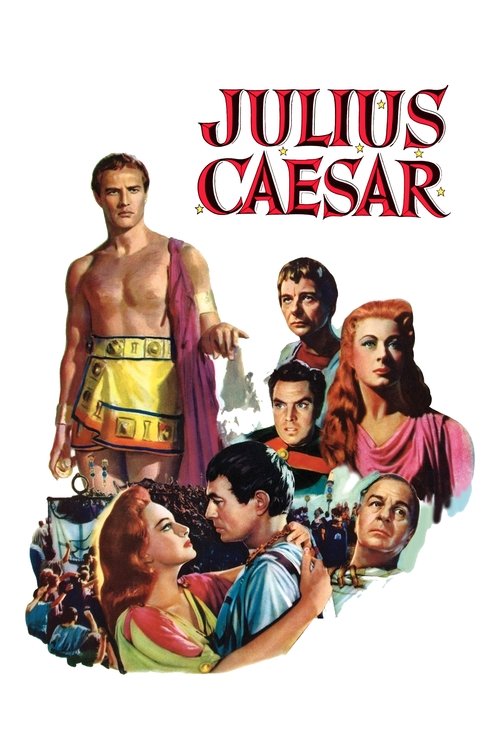
1953

1912
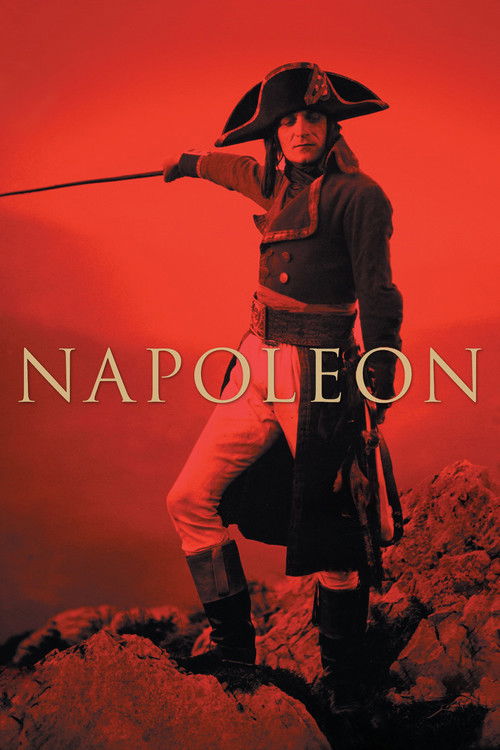
1927
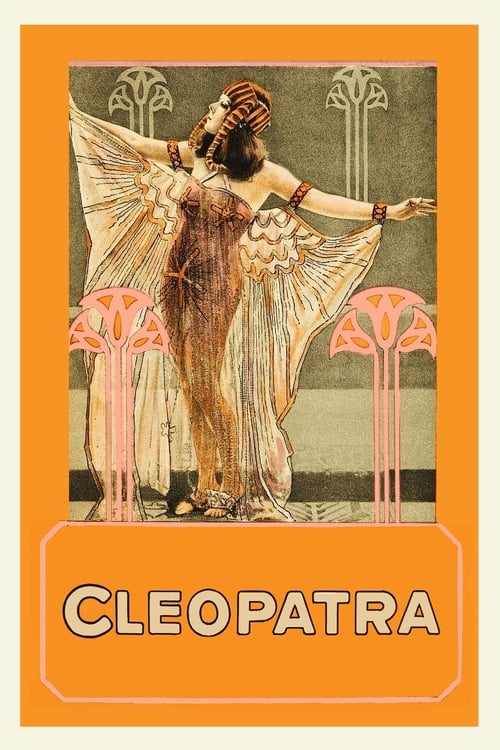
1917
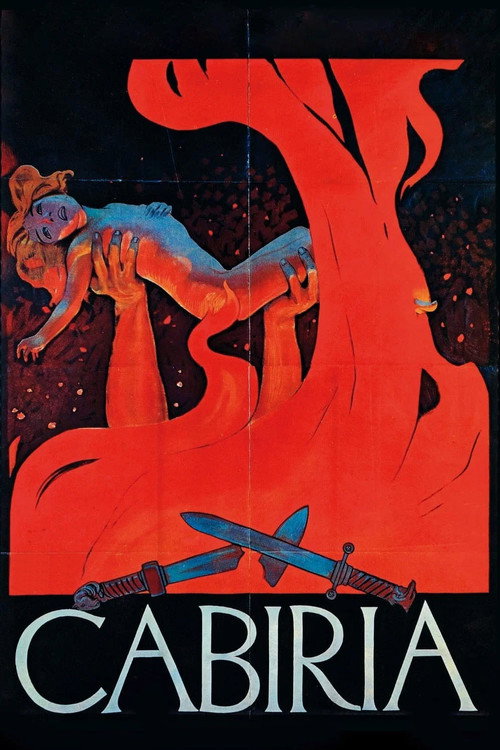
1914
1914

1937
No reviews yet. Be the first to share your thoughts on this movie!
Use the rating form above to leave a star rating and optional review.