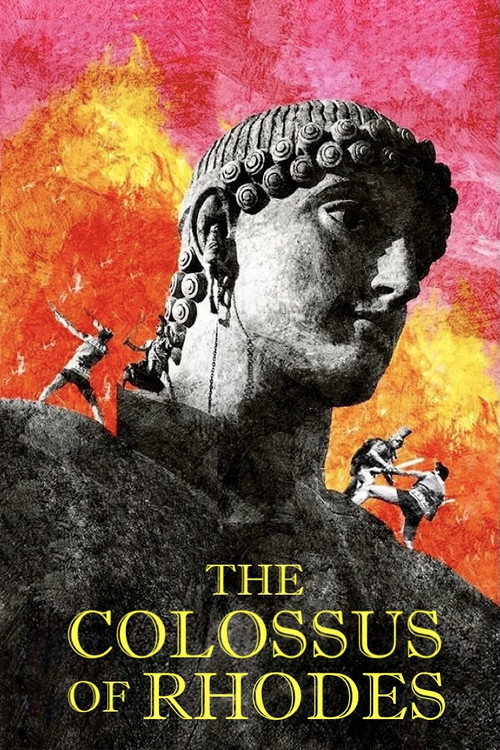
The Colossus of Rhodes
1961
No user ratings available yet
Representation score: 3.5 out of 10
Representation Score
Limited
1962
Director
Sergio Corbucci
Runtime
100 minutes
Average Rating
No ratings yetNew Showbiz Analysis
The film follows the traditional clichés of the mid-20th-century historical epic. It relies on established gender hierarchies and lacks representation for LGBTQ+ identities or individuals with disabilities. However, the film finds thematic depth through its focus on class struggle. By centering the plot on a slave revolt against the Roman empire, it provides a critique of systemic oppression and institutional power. Ultimately, while the film lacks modern multi-layered diversity, it succeeds as a narrative of rebellion against the status quo.
Category Breakdown
The film does not include any LGBTQ+ characters or non-straight relationships. The interpersonal dynamics revolve around traditional romantic relationships.
Female characters mainly serve as romantic interests or emotional catalysts. They do not have the structural power to drive the main political or physical conflicts.
The cast reflects typical cinematic representations of Mediterranean and Western antiquity. The focus is on the protagonist's lineage rather than a diverse cast of characters.
The narrative critiques absolute power and class-based subjugation. It frames the central conflict as a revolt against Roman hierarchy and imperial authority.
There are no prominent depictions of visible or invisible disabilities. Characters are defined by physical strength and combat skills.
Present on Screen
Limited or Absent
Official Synopsis
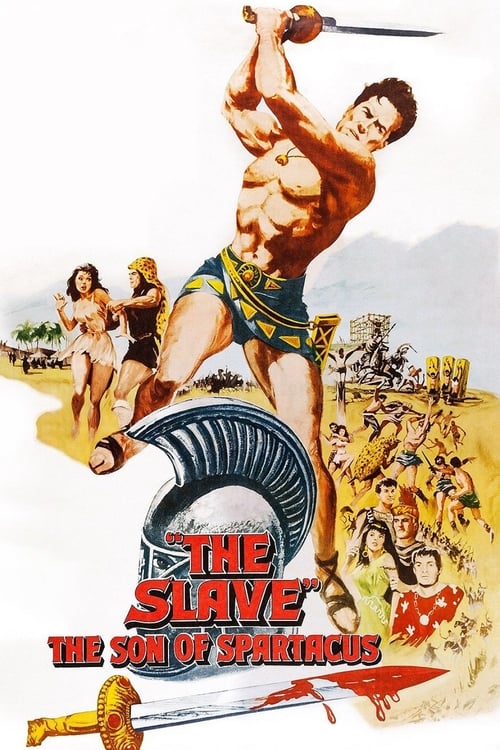
The decurion Randus holds himself so well in the command of his troops, that Caesar promotes him to centurion. He is subsequently sent to Egypt, to keep Cesar informed on the actions and intentions of co-triumvir Marcus Licinius Crassus - a man too rich, and ambitious, for Caesar's comfort. A fateful sea trip from Egypt to Rome forces Randus in captivity by mercenary troops, and leads a revolt by which he gets freedom for himself, and all the other slaves. Through an amulet he received from his late mother, a man who had fought by Spartacus' side, identifies the young man as Spartacus' and Varinia's son. At first reluctant to accept this story about his origins, Randus will be forced by the circumstances to repeat the feat of his father, twenty years later.
1961
1914
1961
1960
1968
1987
1953

1959
No reviews yet. Be the first to share your thoughts on this movie!
Use the rating form above to leave a star rating and optional review.