So You Think You Can't Sleep
1953
No user ratings available yet
Diversity score: 2.5 out of 10
No Poster Available
1942
ApprovedDirector
Richard L. Bare
Runtime
11 minutes
Average Rating
No ratings yetSynopsis
A humorous but informative look at how an average man can remedy common vision problems.
Overall Score
Limited
Category Breakdown
LGBTQ+ Representation
The film contains no discernible LGBTQ+ characters or non-cisnormative identities. The narrative focuses exclusively on heteronormative comedic dynamics typical of the early 1940s.
Gender Representation
The story centers on the male duo Abbott and Costello. Female characters appear primarily as secondary figures to facilitate plot progression, reinforcing traditional mid-century gender hierarchies.
Racial & Ethnic Diversity
The cast is largely homogeneous, reflecting the white-centric casting practices of the era. There is no evidence of significant racial or ethnic diversity driving the narrative.
Religious & Cultural Diversity
The comedy adheres to standard 1940s American structures without challenging Western institutions. It avoids any engagement with religious deconstruction or systemic social critique.
Disability Representation
Visual impairment serves as the primary driver for slapstick comedy. While central to the plot, the portrayal relies on the clumsy protagonist archetype rather than nuanced agency.
Strengths
Areas for Improvement
AI Analysis
This 1942 comedy functions as a period-specific artifact of the studio system, prioritizing Abbott and Costello's physical slapstick over social complexity. The narrative relies on traditional hierarchies and conventional demographic norms of its time. While the central conflict stems from visual impairment, the film uses disability primarily as a comedic device. It lacks the empathetic depth or agency found in modern depictions of physical challenges. Ultimately, the film reinforces the status quo of the era. It offers no disruption to established social, racial, or gendered power dynamics, focusing instead on situational misunderstandings.
1953

1946
1945
1953
1950
1950
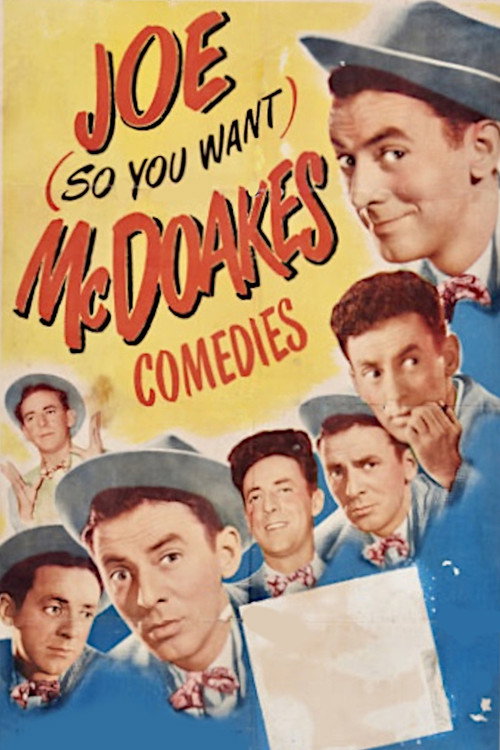
1947
1946
1949
1942
1951
1952
No reviews yet. Be the first to share your thoughts on this movie!
Use the rating form above to leave a star rating and optional review.