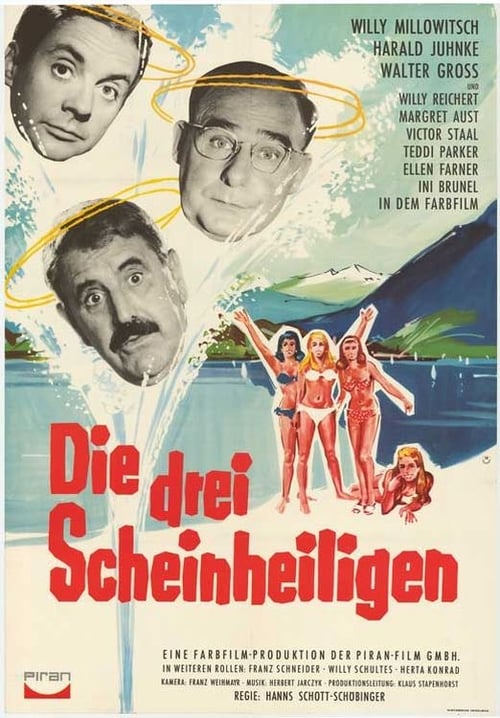
Die drei Scheinheiligen
1964
No user ratings available yet
Representation score: 1.6 out of 10
No Poster Available
Representation Score
Limited
1964
18Director
Hans Dieter Schwarze
Average Rating
No ratings yetNew Showbiz Analysis
Bürger Schippel is a product of its time, functioning as a social realist comedy set in the traditional hierarchies of 1960s West Germany. The film emphasizes the study of class-based conformity and the struggle for individual dignity within a restrictive community. While the work provides a critique of social structures, it does so through a narrow lens. It lacks the multi-layered representation found in modern cinema, focusing almost exclusively on localized socioeconomic struggles rather than diverse identity frameworks. Ultimately, the film reflects the homogeneous and traditional social landscape of its era, offering little in the way of gender, racial, or LGBTQ+ subversion.
Category Breakdown
The film follows the heterosexual norms of 1964. It doesn't include non-binary gender identities or stories that question traditional social structures.
The portrayals align with typical 1960s domestic life. The story upholds traditional gender roles and doesn't show women taking significant action or challenging male leadership.
The story centers around a homogeneous, working-class German community. It doesn't include ethnic diversity or varied cultural backgrounds, focusing instead on class issues.
The film criticizes strict social hierarchies and pressures to conform. It avoids a single religious viewpoint but doesn't emphasize modern secular or anti-institutional views either.
There is no significant portrayal of neurodivergence, physical disabilities, or mental health conditions. The story focuses on socioeconomic issues rather than addressing disability-related themes.
Present on Screen
Limited or Absent
1964
1991
1964

1961
1956
1967
1963
1947
No reviews yet. Be the first to share your thoughts on this movie!
Use the rating form above to leave a star rating and optional review.