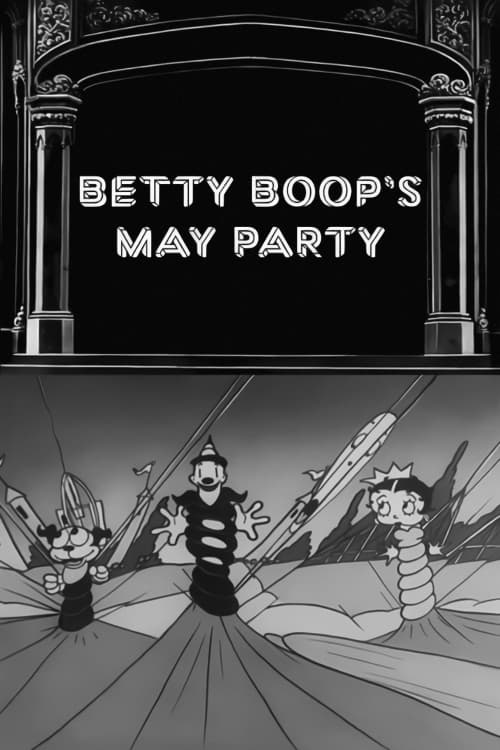
Betty Boop's May Party
1933
No user ratings available yet
Representation score: 1.1 out of 10
Representation Score
Minimal
1933
Director
Dave Fleischer
Runtime
7 minutes
Average Rating
No ratings yetNew Showbiz Analysis
This 1933 short prioritizes whimsical, dreamlike escapism over social commentary. Betty Boop, the central protagonist, embodies traditional feminine roles and romantic flirtation. The film's aesthetic is rooted in surrealist play and slapstick humor, leaving little room for multi-layered narratives. Characters are largely homogeneous, adhering to the standard archetypes of early rubber-hose animation. Ultimately, the film functions as a non-political musical vignette, lacking the intentionality needed to challenge social hierarchies or provide meaningful representation for underrepresented groups.
Category Breakdown
The film does not depict any non-binary gender identities or same-sex relationships. It focuses on traditional romantic interactions without challenging heterosexual norms.
Betty Boop is a central figure who embodies traditional feminine roles. Her character drives the musical numbers through classic glamour and flirtation.
The cast includes anthropomorphic characters and stylized figures typical of the 1930s. There is no representation of diverse ethnic identities or the use of non-human species to represent human experiences.
The short operates within a surreal context, focusing on slapstick comedy rather than social or religious critique. It avoids engagement with institutional structures.
No characters are shown with visible or invisible disabilities. The surreal physics of the animation do not serve as a proxy for representing neurodivergence or physical disabilities.
Present on Screen
Limited or Absent
Official Synopsis
Betty drudges in the kitchen alone until her friends (including Bimbo and Koko) hold a surprise birthday party for her… which gets rowdy.
1933
1932
1932
1933
1932
1933
1931
1932
No reviews yet. Be the first to share your thoughts on this movie!
Use the rating form above to leave a star rating and optional review.