
The Veils of Bagdad
1953
No user ratings available yet
Diversity score: 3.0 out of 10

1970
RDirector
Lewis Gilbert
Runtime
177 minutes
Average Rating
No ratings yetSynopsis
The wealthy playboy son of an assassinated South American diplomat discovers that his father was murdered on orders of the corrupt president of the country- a man who was his father's friend and who, in fact, his father had helped put into power. He returns from living a jet-set life in Europe to lead a revolution against the government, only to find out that things aren't quite as black and white as he'd assumed.
Overall Score
Limited
Category Breakdown
LGBTQ+ Representation
The film lacks any discernible presence of LGBTQ+ characters or narratives. It adheres to mid-century adventure standards by focusing on heteronormative, male-driven action.
Gender Representation
The narrative centers on a male ensemble led by Burt Lancaster and Alain Delon. Female characters occupy peripheral roles without significant agency to drive the plot.
Racial & Ethnic Diversity
While the setting involves South American upheaval, the perspective remains anchored in Western protagonists. The international cast leans heavily toward European actors.
Religious & Cultural Diversity
The film frames political revolution through personal vendetta rather than systemic critique. It does not explicitly challenge Western institutions or post-colonial power dynamics.
Disability Representation
There is no evidence of characters with visible or invisible disabilities. The story focuses strictly on the physical prowess of the adventurer archetype.
Strengths
Areas for Improvement
AI Analysis
The Adventurers is a conventional mid-century action film that prioritizes traditional cinematic hierarchies. The narrative architecture is built around male agency and Western-centric perspectives, offering very little intersectional representation. While the film utilizes an international ensemble, this globalism serves as a veneer rather than a meaningful deconstruction of Anglo-centric dominance. The story remains firmly rooted in the experiences of Western protagonists within a South American setting. Ultimately, the film reinforces established social and gendered tropes of its era. It functions as a high-stakes adventure driven by personal motives rather than a progressive critique of power or culture.
1953
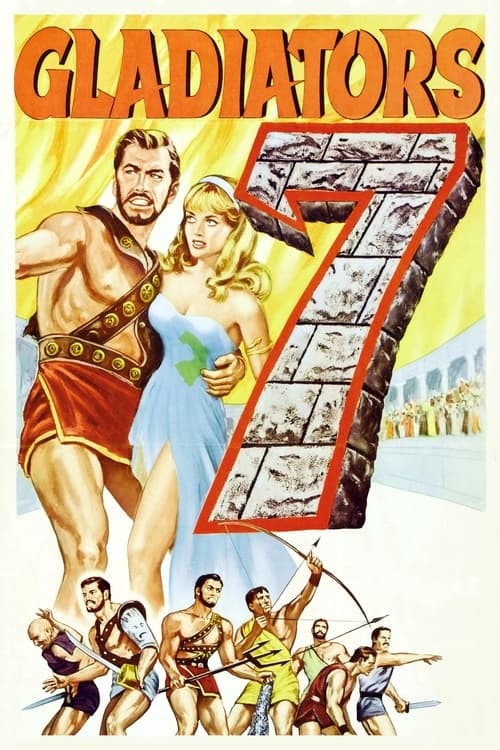
1962
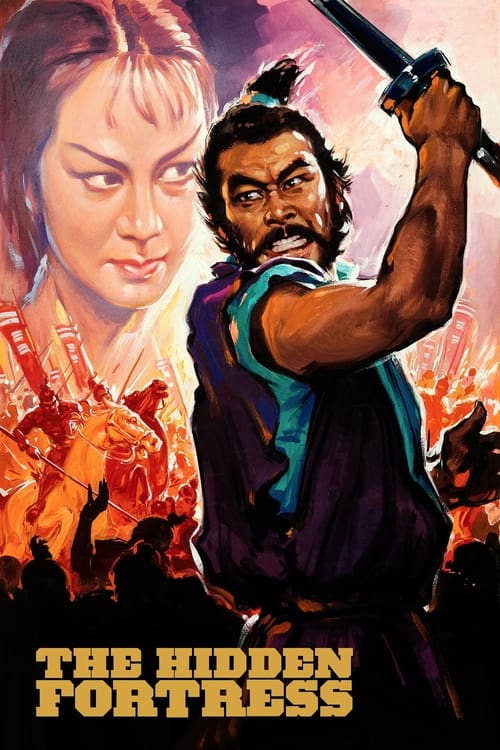
1958

1967
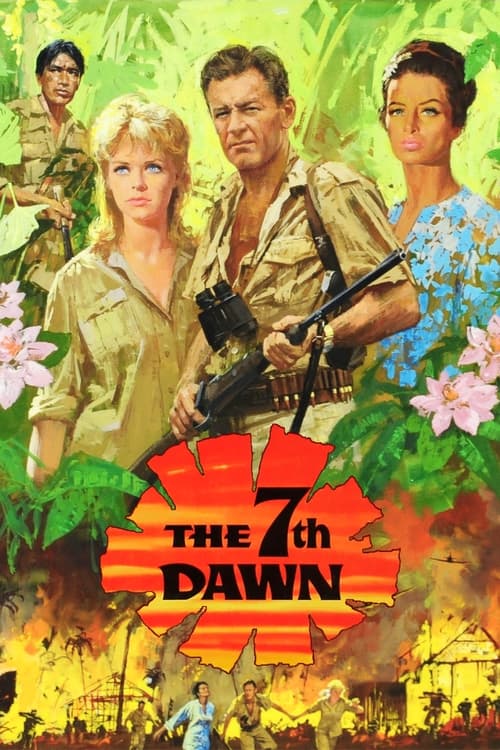
1964
No reviews yet. Be the first to share your thoughts on this movie!
Use the rating form above to leave a star rating and optional review.