Stray Dog
1949
No user ratings available yet
Representation score: 4.5 out of 10
Representation Score
Limited
1961
NRDirector
Akira Kurosawa
Runtime
110 minutes
Average Rating
No ratings yetNew Showbiz Analysis
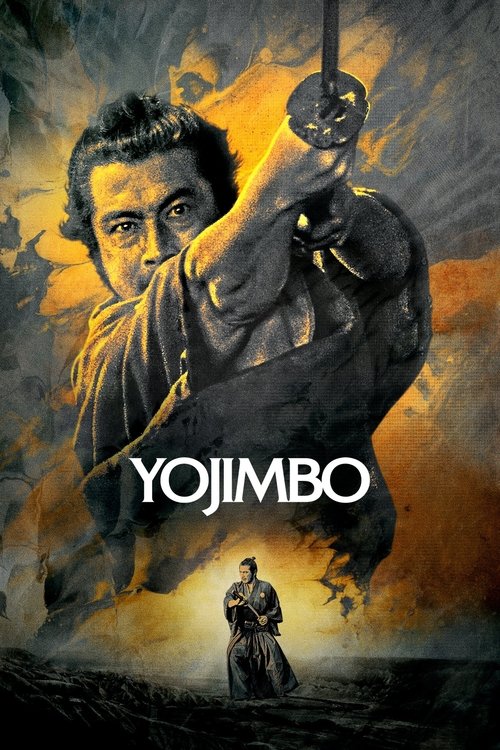
Yojimbo stands out as a masterful narrative that compensates for its lack of demographic diversity through intellectual depth. While it fails to represent LGBTQ+ identities, women, or people with disabilities, it successfully dismantles the mythologies of its setting. The film's strength lies in its postmodern deconstruction of the warrior class. By replacing idealized morality with survivalist pragmatism, Kurosawa exposes the instability of historical hierarchies and systemic corruption. Ultimately, the work serves as a sophisticated critique of power. It uses a nihilistic lens to reveal the mercenary interests hidden behind the facade of traditional social structures.
Category Breakdown
The film adheres to a traditional framework with no depiction of LGBTQ+ identities or narratives that question the assumption that everyone is straight or cisgender.
Female characters are sidelined and often play passive roles. The central conflict is driven solely by male combatants and power dynamics.
The film focuses on Edo-period Japan, offering a nuanced look at class-based identity through a protagonist on the social fringe.
The film effectively deconstructs traditional institutions. It challenges the 'noble samurai' myth and portrays the criminal underworld as a predatory, market-driven system.
There is no meaningful depiction of disability or neurodivergence. Characters are defined by physical prowess or violence rather than any exploration of disability.
Present on Screen
Limited or Absent
Official Synopsis
A nameless ronin, or samurai with no master, enters a small village in feudal Japan where two rival businessmen are struggling for control of the local gambling trade. Taking the name Sanjuro Kuwabatake, the ronin convinces both silk merchant Tazaemon and sake merchant Tokuemon to hire him as a personal bodyguard, then artfully sets in motion a full-scale gang war between the two ambitious and unscrupulous men.
1949

1960
1975
1961
1970
1989
1964
1999
No reviews yet. Be the first to share your thoughts on this movie!
Use the rating form above to leave a star rating and optional review.