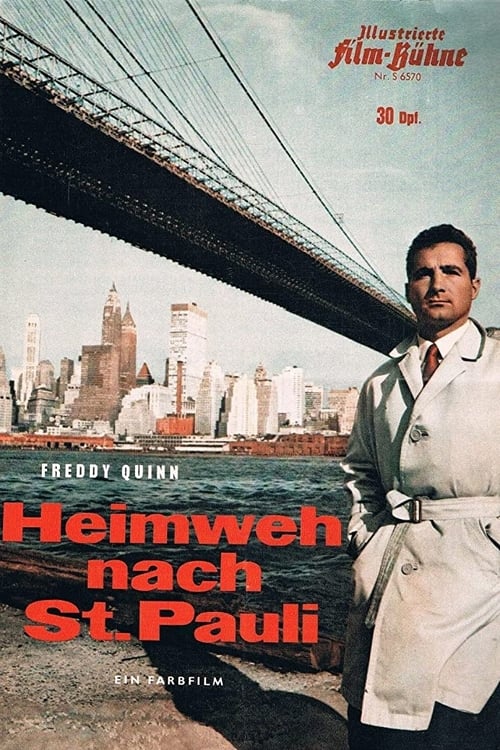
Homesick for St. Paul
1963
No user ratings available yet
Representation score: 1.4 out of 10

Representation Score
Fair
1988
Director
Jacques Demy
Runtime
106 minutes
Average Rating
No ratings yetNew Showbiz Analysis
Jacques Demy’s lyrical approach prioritizes emotional truth and individual ability to act over rigid social hierarchies. The film functions as a character-driven musical that explores personal longing and the transformative potential of the individual. While the narrative avoids the most restrictive traditional clichés by centering on humanistic expression, it lacks significant demographic subversion. The focus remains largely on Western European identities and traditional romantic frameworks. Ultimately, the film offers a nuanced, non-conformist style of storytelling, even if it does not provide overt characters who reflect more than one aspect of diversity or high-level diversity in its cast.
Category Breakdown
The film focuses on traditional romantic longing and the nostalgic pursuits of the protagonist. There is no explicit depiction of non-traditional gender identities or same-sex intimacy within the narrative.
Marion provides a sense of women's ability to drive the story, receiving a transformative opportunity that moves her beyond a peripheral role. The story centers on female connections rather than purely submissive roles.
Set in Marseilles, the film centers on Western European identities through an autobiographical lens. The narrative lacks evidence of a diverse cast or the subversion of standard casting practices.
The film prioritizes personal memory and individual emotional truth over institutional structures. It presents a secular, humanistic worldview through the deconstruction of the star persona.
No visible or invisible disabilities are central to the plot or character arcs. There is no information available to support a representation score.
Present on Screen
Limited or Absent
Official Synopsis
Yves Montand, playing himself, returns to his hometown of Marseilles to appear in an autobiographical musical. Once there, he searches for the barmaid he once loved and also encounters young hopeful Marion, giving her the chance of a lifetime.
1963

1967

1985

1961

1974

1952
1985
1952
No reviews yet. Be the first to share your thoughts on this movie!
Use the rating form above to leave a star rating and optional review.