
The Jazz Singer
1953
No user ratings available yet
Representation score: 2.2 out of 10
Representation Score
Minimal
1963
Director
Werner Jacobs
Runtime
102 minutes
Average Rating
No ratings yetNew Showbiz Analysis
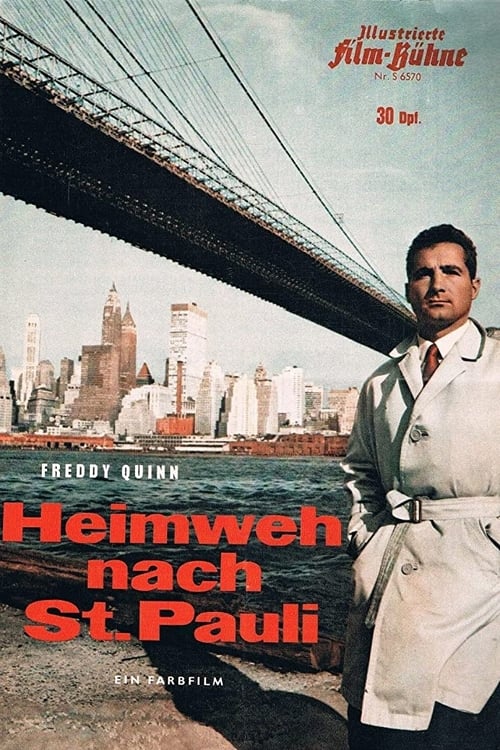
Homesick for St. Pauli serves as a historical document of mainstream German musical cinema from the early 1960s. The film emphasizes conventional storytelling and cultural norms, reflecting the societal norms of the time. The narrative and casting choices align closely with traditional hierarchies. The story centers on a male protagonist's journey and themes of national identity, providing little challenge to existing power structures or diverse representation. Overall, the film adheres to the sentimental traditions of its era, reinforcing the status quo rather than questioning institutional norms or presenting varied perspectives.
Category Breakdown
The film does not include any LGBTQ+ characters or stories. It follows the typical romantic and social norms of 1960s German musical cinema.
The story focuses on the male protagonist's journey, featuring performances by actresses like Jayne Mansfield. It upholds traditional gender roles and romantic expectations.
The cast is mainly made up of European actors. This reflects the homogeneous demographics typical of Western European cinema in 1963.
Themes of homesickness and returning home are central. These reinforce traditional values of national identity and belonging.
There is no information about the portrayal of physical or neurodivergent disabilities in this production.
Present on Screen
Limited or Absent
Official Synopsis
A pop singer who has been successful on Broadway, is homesick and returns.
1953

1963
1988

1966
1948

1963

1958

1962
No reviews yet. Be the first to share your thoughts on this movie!
Use the rating form above to leave a star rating and optional review.