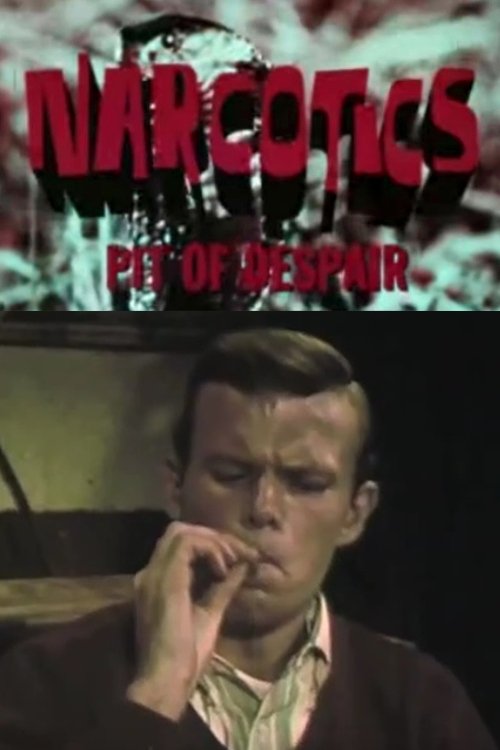
Narcotics: Pit of Despair
1967
No user ratings available yet
Representation score: 2.5 out of 10
Representation Score
Minimal
1958
Director
Robert W. Larsen
Runtime
75 minutes
Average Rating
No ratings yetNew Showbiz Analysis
The film is a product of 1950s social-problem cinema, prioritizing moral instruction over character depth. It functions as a tool for reinforcing existing power structures, specifically law enforcement and traditional social hierarchies. Representation is extremely limited, as the narrative relies on established clichés of the era. It focuses on preserving traditional norms rather than exploring diverse identities or challenging the status quo. Ultimately, the work serves to uphold mid-century morality through a narrow, conservative lens, offering little room for diverse perspectives.
Category Breakdown
The film does not feature any LGBTQ+ characters or stories that go beyond the assumption that everyone is straight. The depiction of drug use and prostitution follows the moral codes of the 1950s, which often excluded queer identities.
Female characters play central roles in the plot, but primarily through the lens of victimhood and prostitution. These roles reinforce the 'fallen woman' stereotype rather than offering nuanced roles where women drive the story.
The small-town setting suggests a homogeneous racial makeup typical of mid-century cinema. The narrative likely adheres to an Anglo-Saxon framework with little ethnic variety.
The story functions as a cautionary tale that upholds traditional Western institutions and state authority. It reinforces mid-century social morality by positioning law enforcement as the protector of community structures.
There is no indication that neurodivergence or physical disabilities are addressed. Such traits were rarely explored with ability to act during this era of social-problem filmmaking.
Present on Screen
Limited or Absent
Official Synopsis
Semi-documentary on how marijuana dealers lure small-town teenagers into heroin use and prostitution and how the police help to fight it.
1967

1981

1938

1982
1955
1971
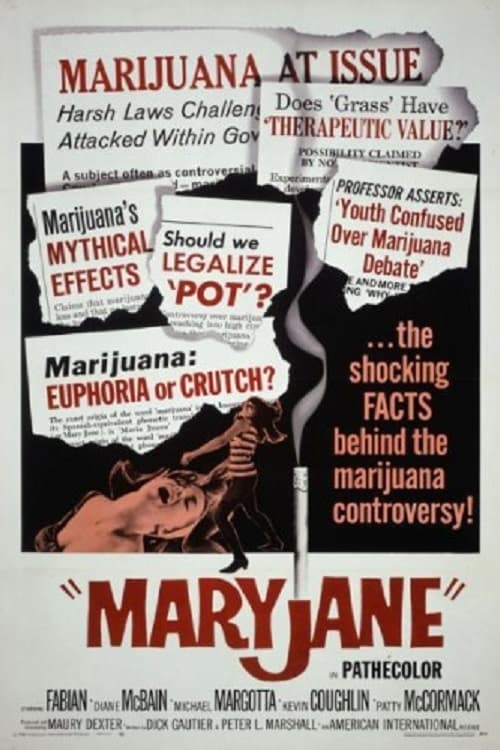
1968
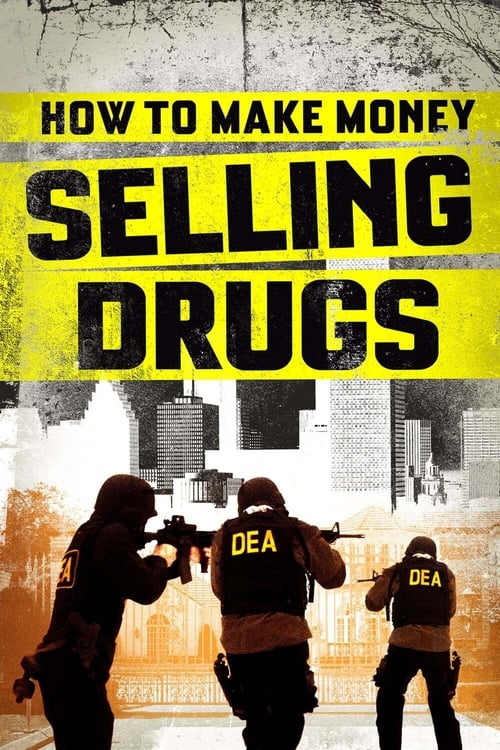
2012
No reviews yet. Be the first to share your thoughts on this movie!
Use the rating form above to leave a star rating and optional review.