
Push
2006
No user ratings available yet
Representation score: 2.4 out of 10
Representation Score
Limited
1995
RDirector
Gary Winick
Runtime
89 minutes
Average Rating
No ratings yetNew Showbiz Analysis
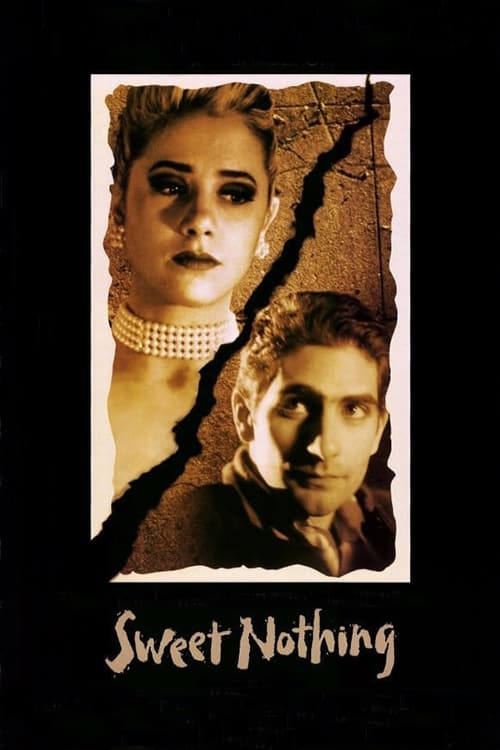
Sweet Nothing is a gritty social realist drama that avoids the idealized family structures common in 1990s mainstream cinema. It prioritizes a narrative of dysfunction and moral compromise over traditional or idealized portrayals of domestic life. While the film explores complex socio-economic themes like debt and addiction, it lacks intentionality in diverse casting or character's ability to drive the story. The focus remains heavily on the individual's descent into substance abuse rather than systemic critique. Ultimately, the film's representation is limited by its narrow focus on a struggling nuclear family, offering little engagement with broader social identities or diverse lived experiences.
Category Breakdown
The film focuses solely on a traditional nuclear family structure and does not include any LGBTQ+ characters or narratives about non-cisgender identities.
The story revolves around a patriarchal struggle, but Monika challenges the virtuous wife cliché by being complicit in Angel's crimes. However, the plot lacks significant women's ability to drive the story.
The narrative addresses socio-economic realities often linked to underrepresented communities, particularly concerning crack cocaine addiction. However, specific racial identities and the complexities of the way different parts of someone's identity overlap are not explicitly detailed.
The film presents a perspective of moral relativism, framing criminal activity as a means for family stability. It depicts a dysfunctional family unit rather than a stable institution.
There is no evidence regarding the depiction of physical disabilities, neurodivergent conditions, or mental health issues beyond the central theme of chemical dependency.
Present on Screen
Limited or Absent
Official Synopsis
Angel celebrates the birth of his daughter by taking his first hit of crack cocaine. With the hesitant support of his wife, Monika, he joins a friend of his to deal drugs for a short time--enough time to get out of debt and buy some nice things for the family. Three years later, Angel is still dealing, and has not saved any money, instead spending it on crack. His addiction grows, straining his friendship and his family life, and he gradually loses control.
2006

1982
2005

2010
1988

2019

2013

2015
No reviews yet. Be the first to share your thoughts on this movie!
Use the rating form above to leave a star rating and optional review.