The Pace That Kills
1935
No user ratings available yet
Diversity score: 1.5 out of 10
1938
NRDirector
Louis J. Gasnier
Runtime
66 minutes
Average Rating
No ratings yetSynopsis
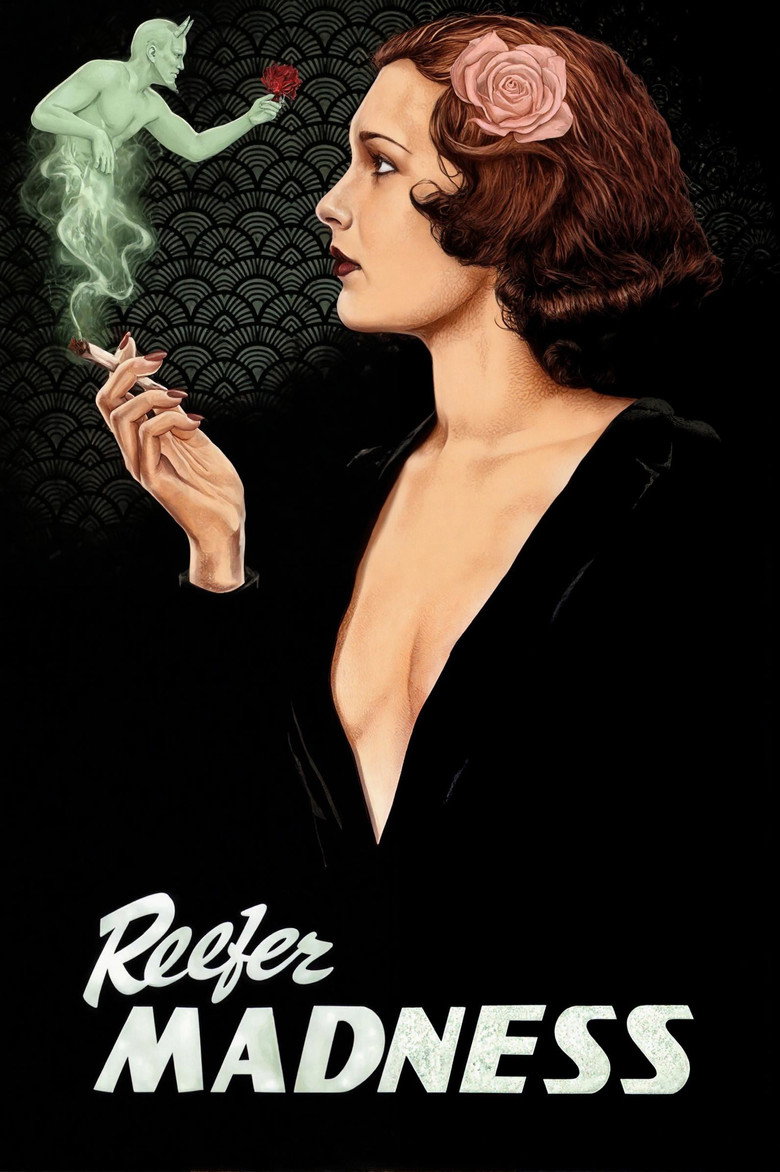
High-school principal Dr. Alfred Carroll relates to an audience of parents that marijuana can have devastating effects on teens: a drug supplier entices several restless teens, Mary and Jimmy Lane, sister and brother, and Bill, Mary's boyfriend, into frequenting a reefer house. Gradually, Bill and Jimmy are drawn into smoking dope, which affects their family lives.
Overall Score
Minimal
Category Breakdown
LGBTQ+ Representation
The film focuses on heteronormative adolescent relationships, specifically the pairing of Mary and Bill. There is no evidence of non-cisnormative identities or critiques of heteronormativity.
Gender Representation
The narrative centers on a patriarchal authority figure delivering a moral lecture. While Mary is central, her role is tied to domestic and social consequences within traditional hierarchies.
Racial & Ethnic Diversity
The film likely adheres to the era's standard of a homogeneous cast. The narrative suggests a conventional, Anglo-centric depiction of American adolescence.
Religious & Cultural Diversity
The story aligns with traditional Western institutional values and reinforces social order. It promotes a singular, conservative morality centered on the preservation of the nuclear family.
Disability Representation
There is no information regarding characters with visible or invisible disabilities in the narrative.
Strengths
Areas for Improvement
AI Analysis
Tell Your Children functions as a period-specific artifact of social instruction. The film is designed to reinforce existing hierarchies and institutional norms rather than challenge them, offering minimal disruption to the cultural status quo of 1938. The narrative architecture is heavily didactic, utilizing a male authority figure to deliver moral lessons. This structure prioritizes the preservation of traditional social stability and the nuclear family over diverse or complex character explorations. Ultimately, the film reflects the conservative social orthodoxies of the late 1930s studio system, focusing on a homogeneous view of American life and morality.
1935
1928
1939
1949
1978
1933
1958
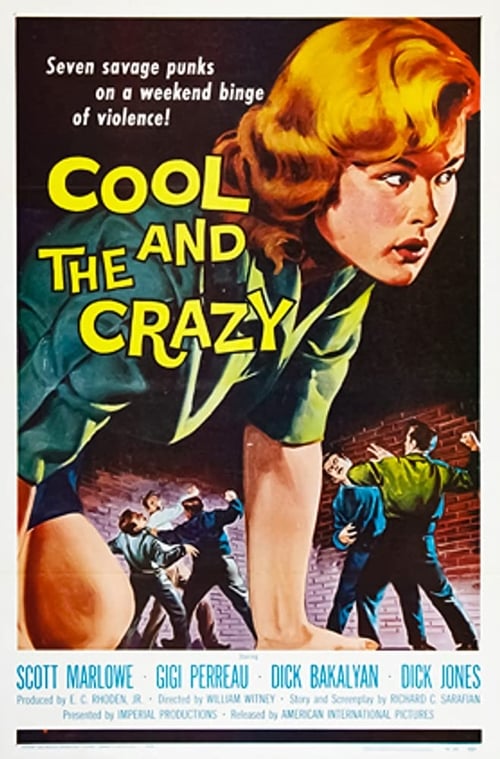
1958
1944

1948
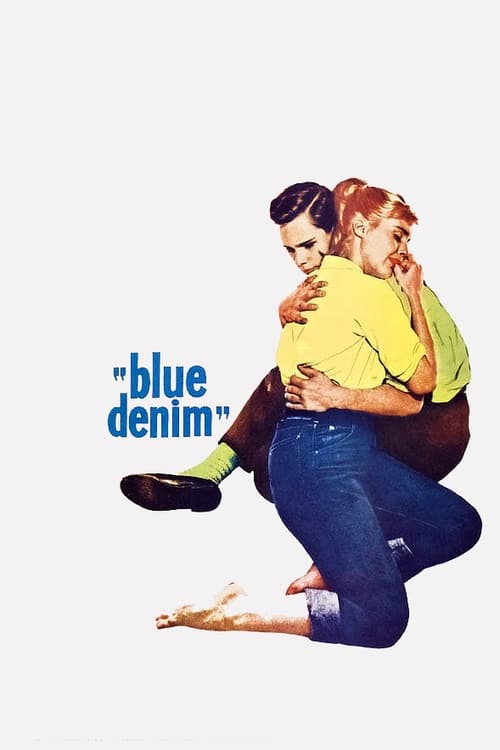
1959
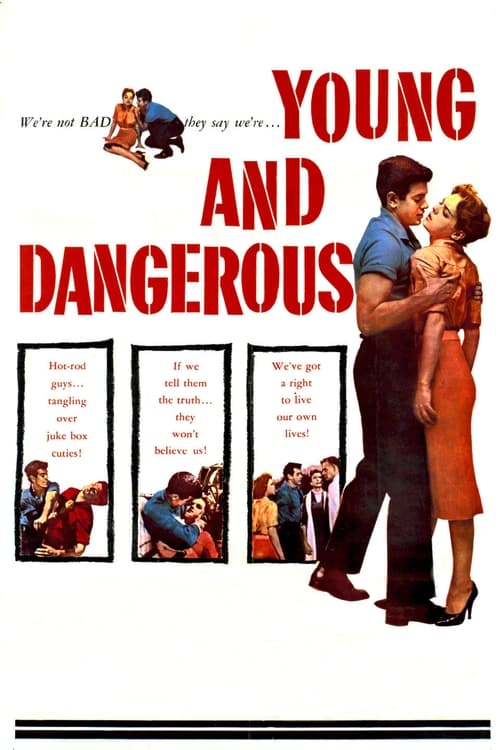
1957
No reviews yet. Be the first to share your thoughts on this movie!
Use the rating form above to leave a star rating and optional review.