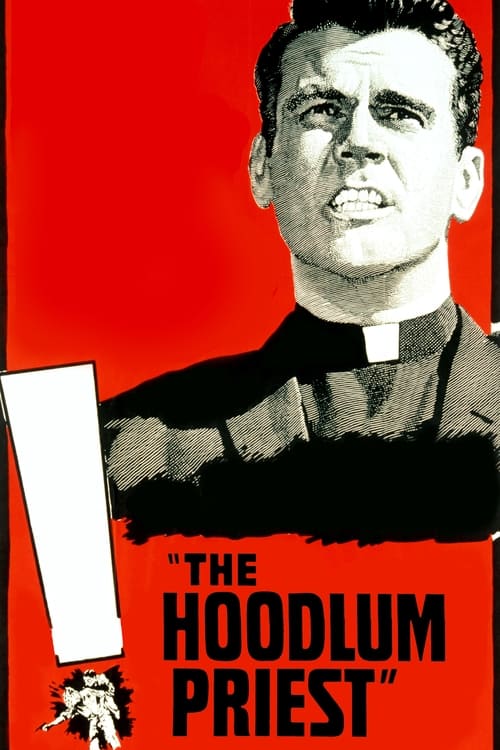
The Hoodlum Priest
1961
No user ratings available yet
Representation score: 2.6 out of 10
Representation Score
Limited
1970
PGDirector
Don Murray
Runtime
106 minutes
Average Rating
No ratings yetNew Showbiz Analysis
The film is a traditional narrative that reinforces existing social and religious hierarchies. It emphasizes the restorative power of established institutions and moral absolutes, avoiding systemic critiques. While the film highlights urban exclusion, it lacks the complexity of intersecting racial identities. It focuses on individual spiritual transformation within existing Western structures, rather than challenging the status quo. The representation is confined to conventional roles, and the narrative does not challenge traditional gender hierarchies or explore nuanced identities.
Category Breakdown
The film does not include any LGBTQ+ characters or non-cisgender identities.
The story revolves around male-dominated gangs and male-led spiritual authority. Women are present but primarily in supportive roles within traditional gender hierarchies.
The film depicts impoverished urban communities but does not explore the complexities of intersecting racial identities. underrepresented groups are shown through the lens of social deviance.
The movie upholds a singular Christian moral perspective. Religious institutions are portrayed as the primary solution to social issues, without questioning broader Western societal structures.
Characters with disabilities are minimally represented and are associated with social problems such as addiction and behavioral issues, rather than being given depth or ability to act.
Present on Screen
Limited or Absent
Official Synopsis
David Wilkerson's first five years in New York City, where he ministered to disillusioned youth, encouraging them to turn away from the drugs and gang violence they were involved with.
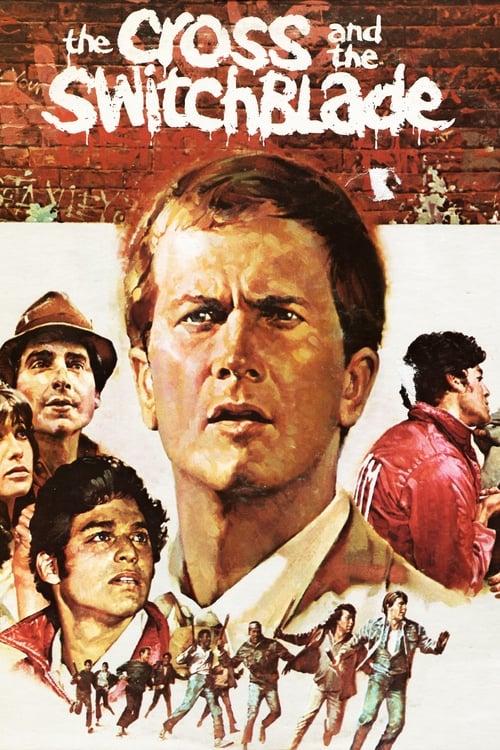
1961
1938
2014
1992
1974
1950

2013

1980
No reviews yet. Be the first to share your thoughts on this movie!
Use the rating form above to leave a star rating and optional review.