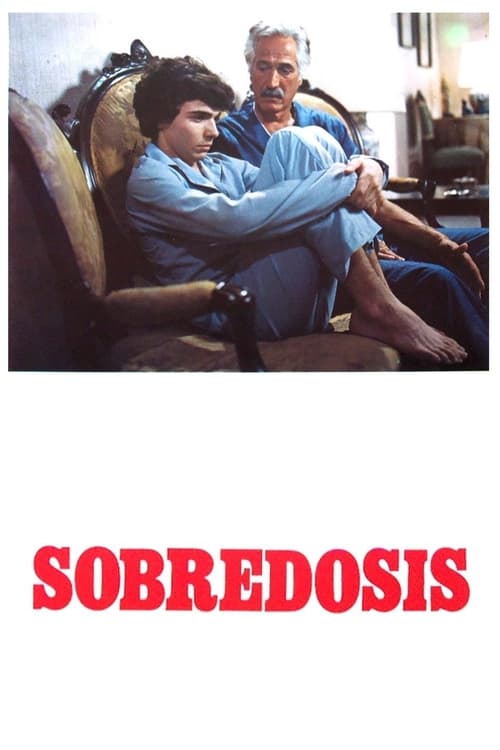
Sobredosis
1986
No user ratings available yet
Diversity score: 3.8 out of 10

1984
Director
Euthana Mukdasanit
Runtime
130 minutes
Average Rating
No ratings yetSynopsis
The story as told by his mother of an eighteen year old boy who falls into a life of drugs and violence and of the consequences to himself and those around him.
Overall Score
Limited
Category Breakdown
LGBTQ+ Representation
The film contains no evidence of LGBTQ+ characters or narratives. The story focuses strictly on the domestic and social fallout of drug use.
Gender Representation
A maternal perspective provides significant emotional agency to the female lead. However, the central conflict remains driven by a male protagonist's actions.
Racial & Ethnic Diversity
As a Thai production, the film offers a localized, non-Western perspective. It provides a cultural setting that challenges Western-centric cinematic norms.
Religious & Cultural Diversity
The narrative explores how social instability and systemic issues impact the individual. It critiques the failure of traditional structures to protect youth.
Disability Representation
Substance abuse touches on mental health and dependency. However, it is unclear if these are treated with agency or used as tragic plot devices.
Strengths
Areas for Improvement
AI Analysis
The film functions as a social realist drama that prioritizes humanistic realism over broad demographic representation. It centers on the descent of a young man into violence and addiction, viewed through his mother's eyes. While the film lacks intersectional markers like LGBTQ+ or disability representation, it succeeds in offering a non-Western perspective on social decay. It moves beyond simple morality to explore how environment impacts the family unit. Ultimately, the work is a localized study of social dysfunction rather than a diverse ensemble piece.
1986

1985

2009

1958

1981

2013
2009

2021

2020
2010

2001

2020
No reviews yet. Be the first to share your thoughts on this movie!
Use the rating form above to leave a star rating and optional review.