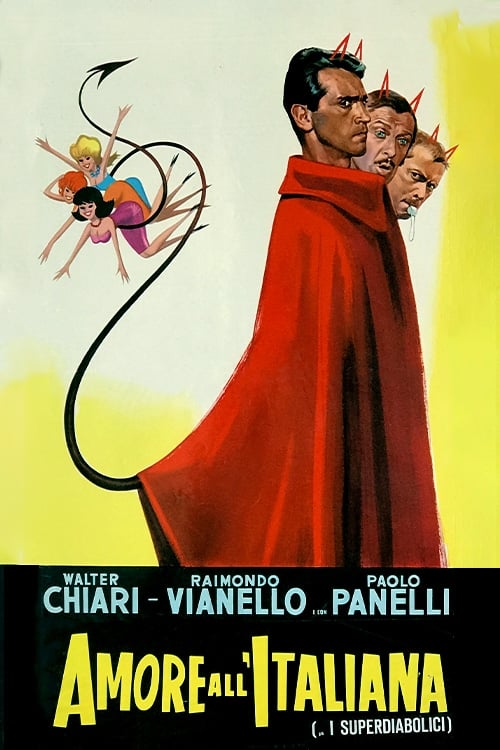
Love Italian Style
1966
No user ratings available yet
Representation score: 2.1 out of 10
Representation Score
Fair
1964
Director
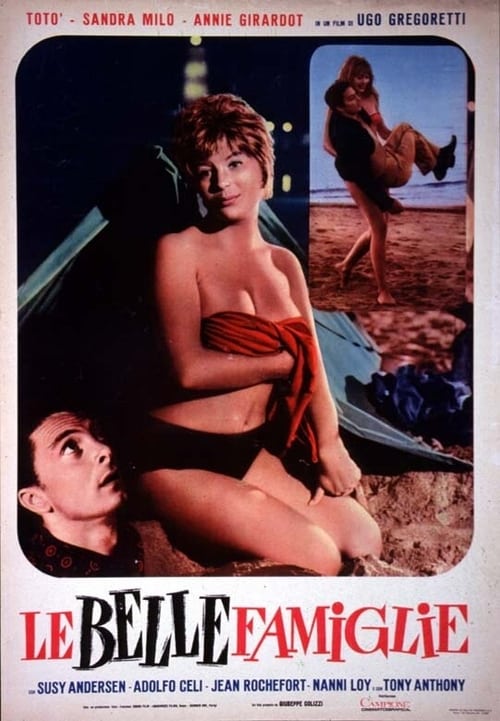
Ugo Gregoretti
Runtime
98 minutes
Average Rating
No ratings yetNew Showbiz Analysis
Beautiful Families serves as a social document of mid-century Italian class dynamics. It uses an episodic structure to contrast the lives of the wealthy and the poor, providing a satirical look at the economic changes of the 1960s. The film's strength lies in its critique of class and domestic institutions. By showing different socioeconomic tiers, it challenges idealized family narratives to reveal systemic issues. However, the work lacks modern markers of diversity, focusing primarily on Italian class struggles without representing race, disability, or LGBTQ+ identities.
Category Breakdown
The film focuses on traditional family units as the main social building blocks. There is no clear depiction of non-straight relationships or same-sex intimacy.
Female characters highlight domestic tensions and economic pressures through a satirical lens. The episodic structure allows for some character development within the social hierarchy.
The narrative centers on a homogeneous Italian population. There is no indication of significant racial diversity or the inclusion of non-European perspectives.
The film critiques Western class hierarchies and capitalist structures using social satire. It deconstructs the morality of the 'ideal' family.
There is no clear depiction of physical or neurodivergent disabilities in this work.
Present on Screen
Limited or Absent
Official Synopsis
The film's theme is four episodes that offer the public a glimpse into the lives of rich and poor families in Italy in the 1960s.
1966

1963
1966
1983
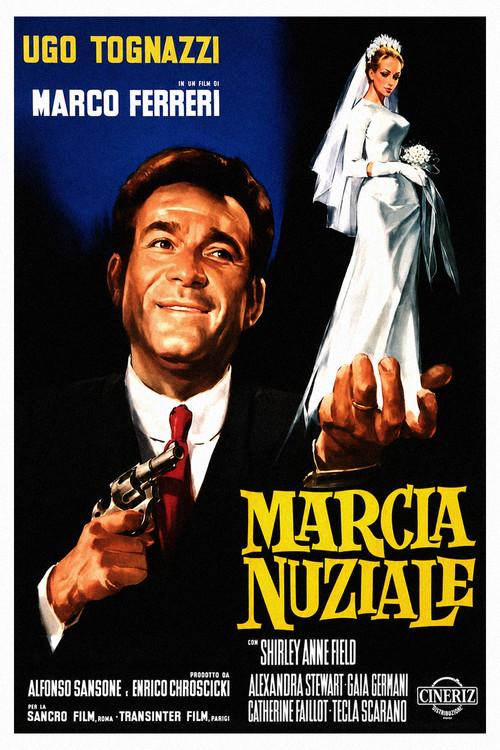
1966

1965
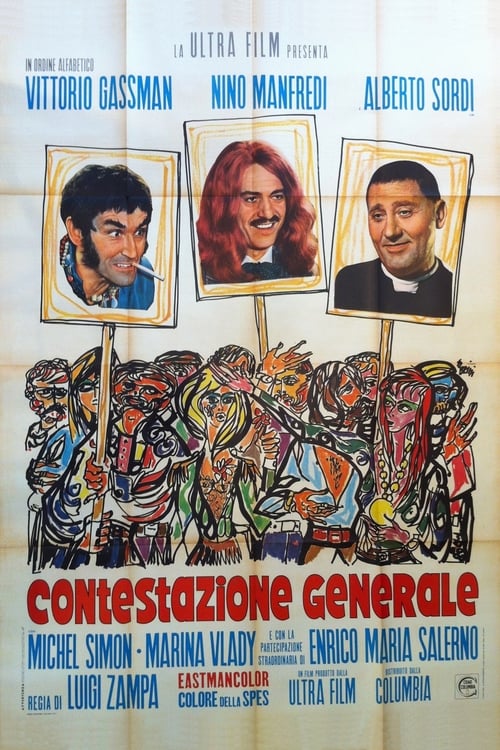
1970
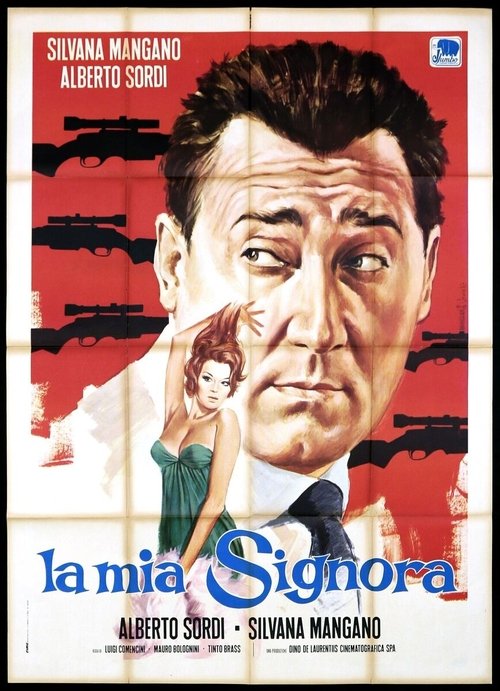
1964
No reviews yet. Be the first to share your thoughts on this movie!
Use the rating form above to leave a star rating and optional review.