
Pedro Will Hang
1941
No user ratings available yet
Representation score: 0.2 out of 10
Representation Score
Limited
1941
Director
Martin Frič
Runtime
89 minutes
Average Rating
No ratings yetNew Showbiz Analysis
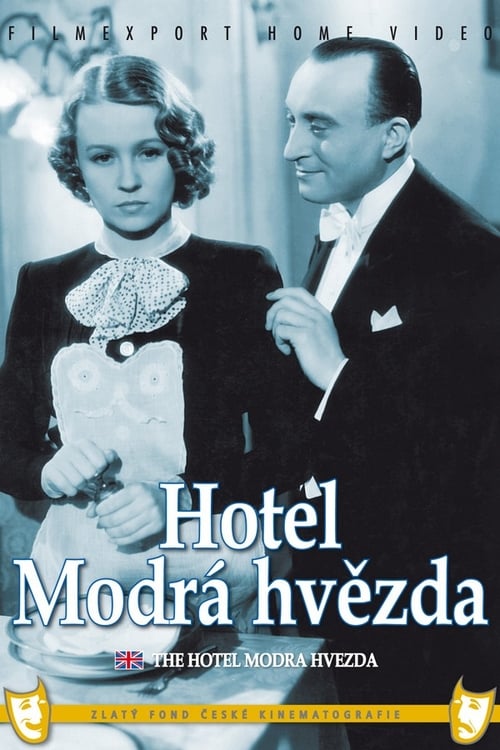
The Blue Star Hotel is a period-specific romantic comedy that highlights the economic and social ability to act of its female protagonist. By portraying Zuzanka as a business owner with significant influence, the film challenges traditional gender roles. However, the film is limited by the conventions of 1941 cinema. It focuses primarily on local class structures and lacks multi-layered diversity, excluding representations of LGBTQ+ identities and disabilities. The narrative adheres to traditional romantic structures.
Category Breakdown
The film follows a traditional romantic comedy structure centered around heterosexual relationships. There are no representations of LGBTQ+ identities or same-sex intimacy in the plot.
Zuzanka plays a central role by managing the hotel and pursuing suitors, which challenges the typical submissive female lead stereotype. She demonstrates a significant role in driving the story by actively controlling the narrative and economic decisions.
The film features a homogeneous cast focused on local social dynamics. The narrative prioritizes class structures over diverse racial or ethnic backgrounds.
The story explores the tension between inherited family traditions and individual desires. It favors personal freedom over strict social expectations, yet remains grounded in the era's social structures.
There is no evidence of the portrayal of physical or neurodivergent disabilities in this work.
Present on Screen
Limited or Absent
Official Synopsis
It all begins when Zuzanka, the new young owner, arrives at the dilapidated Blue Star Hotel. Determined to put the declining inheritance back on its feet, she starts chasing three young men, including the composer Jirka, who, dressed in a waiter's tailcoat, is to work off his debt to the new owner. Like his two friends, Jirka succumbs to the charms of his new boss and, with some confidence, hopes that he is the one who has the best chance of becoming her chosen one. At that moment, however, a guest arrives, intent on carrying out the family tradition and throwing an engagement party at the Blue Star Hotel, regardless of his condition. This, however, is not to the liking of his wilful fiancée. Fortunately, there is the sympathetic Zuzanka, who charms the unusual guest so much that he resolutely breaks off his engagement to the rich girl and prefers to marry the cute hotelier.
1941
1937
1941

1949
1938
1940
1947
1936
No reviews yet. Be the first to share your thoughts on this movie!
Use the rating form above to leave a star rating and optional review.