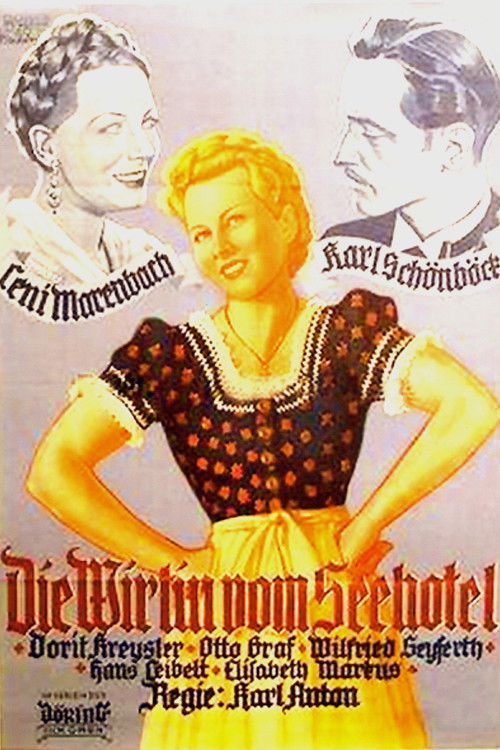
Die Wirtin zum weißen Röss'l
1943
No user ratings available yet
Representation score: 1.0 out of 10
Representation Score
Minimal
1941
Director
Karl Anton
Runtime
93 minutes
Average Rating
No ratings yetNew Showbiz Analysis
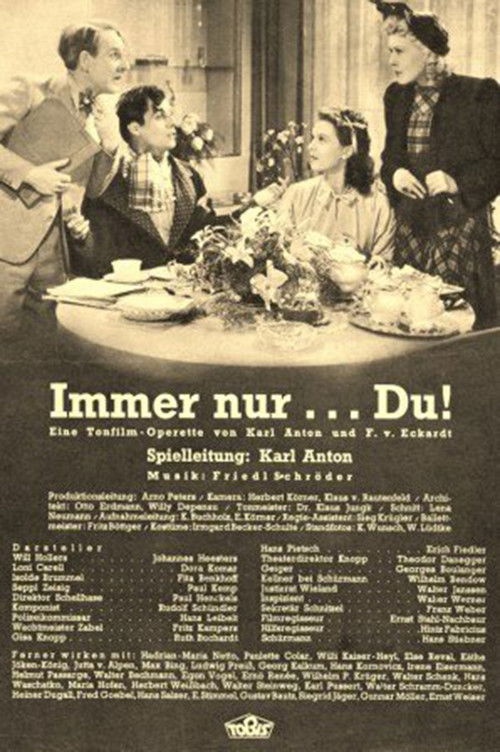
Immer nur Du is a product of the 1941 German film industry, a period marked by strict state-imposed cultural norms. The narrative follows a standard romantic comedy structure that emphasizes traditional social hierarchies over diverse representation. The film lacks any visible representation for underrepresented identities and relies on homogeneous casting and straight-centered storytelling typical of its historical context. Ultimately, the work reinforces the era's established cultural standards rather than challenging them.
Category Breakdown
The film focuses on a romantic relationship between two operetta stars, reinforcing the idea that everyone is straight and cisgender. It does not include any characters with non-cisgender identities.
The comedy revolves around a quarrelsome romance that likely ends with a traditional partnership. It adheres to conventional gender roles typical of the era.
The production reflects the era's standard of cultural homogeneity. There is no evidence of racial blending or non-majority casting within the narrative.
The operetta-centered premise aligns with traditional Western entertainment values. The work reinforces established social and cultural norms of the mid-20th century.
There is no information available regarding the portrayal of physical or neurodivergent characters in this production.
Present on Screen
Limited or Absent
Official Synopsis
The two stars of an upcoming operetta performance quarrel constantly. but they also fall in love with each other.
1943
1955
1944
1941
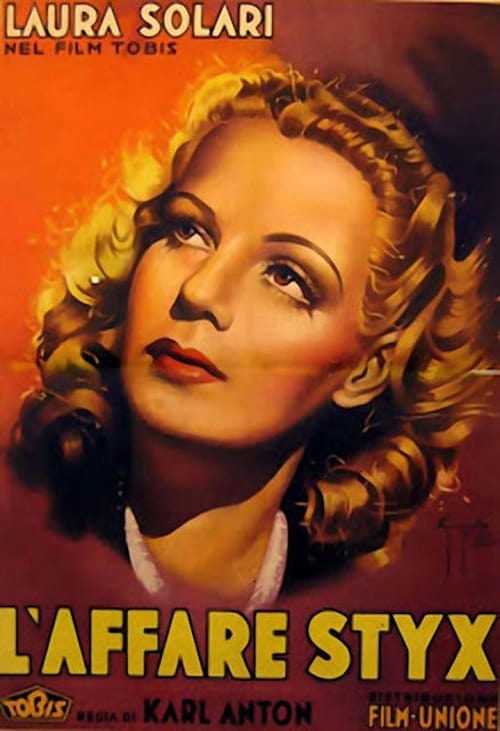
1942
1937
1933
1934
No reviews yet. Be the first to share your thoughts on this movie!
Use the rating form above to leave a star rating and optional review.