
Autumn
1974
No user ratings available yet
Representation score: 5.6 out of 10
Representation Score
Limited
1954
Director
Matti Kassila
Runtime
79 minutes
Average Rating
No ratings yetNew Showbiz Analysis
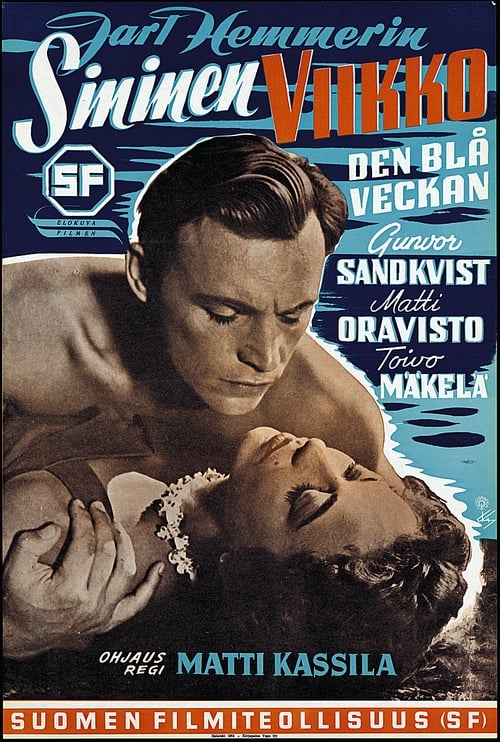
Scarlet Week explores social transgressions rather than showcasing demographic diversity. It disrupts class hierarchies by placing a factory worker in an intimate encounter with an upper-class woman. While the film lacks modern markers like racial or LGBTQ+ diversity, it uses a recreation island setting to temporarily suspend 1950s social structures. The narrative emphasizes personal impulses over institutional stability. Ultimately, the film's strength lies in its subtle critique of the era's moral codes and economic class distinctions.
Category Breakdown
The film focuses solely on a heterosexual relationship and does not include any non-cisgender identities or challenge the idea that everyone is straight.
The female protagonist shows significant independence by choosing to sunbathe alone and having a secret affair. However, the story revolves around a conventional romantic storyline.
The cast and setting seem uniform, reflecting the mid-century Finnish cinema. There is no indication of diverse racial or ethnic casting.
The story questions traditional marriage sanctity by making a forbidden affair a key romantic element. It uses recreation to criticize strict social and industrial systems.
There are no characters with visible or invisible disabilities mentioned in the film.
Present on Screen
Limited or Absent
Official Synopsis
After a weekend of dancing and camping on a recreation island near the city, a young factory worker decides to stay and cut work for a day. Walking around the now deserted island, he meets a beautiful woman camping alone and sunbathing in the nude on the beach. A hot romance flares up between the worker and the more upper-class married lady, lasting through the light-filled nights of the whole summer week until the woman's much older husband returns to the island the next weekend.
1974

1953

1946

1956

1963
1955
1961
1939
No reviews yet. Be the first to share your thoughts on this movie!
Use the rating form above to leave a star rating and optional review.