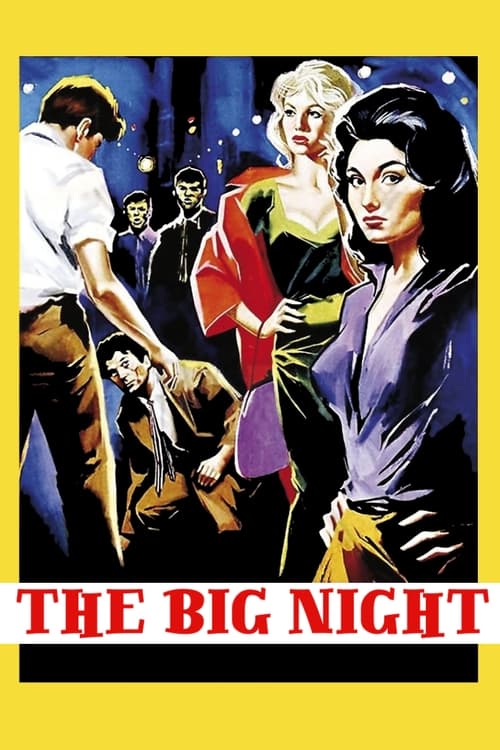
The Big Night
1959
No user ratings available yet
Representation score: 1.7 out of 10
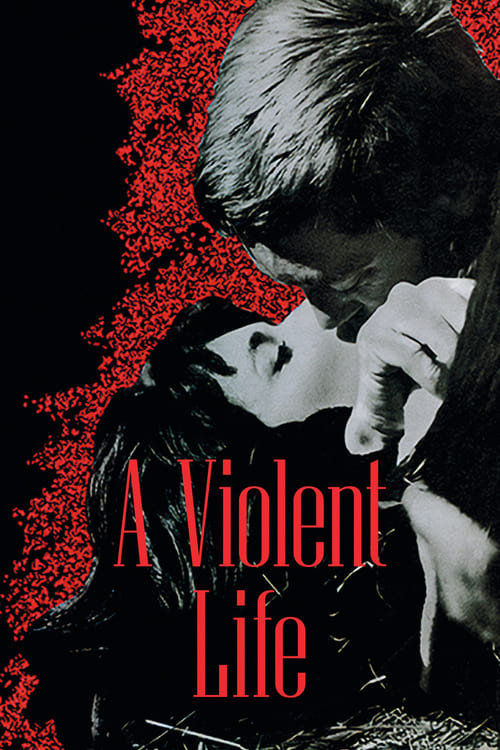
Representation Score
Fair
1962
Director
Paolo Heusch, Brunello Rondi
Runtime
106 minutes
Average Rating
No ratings yetNew Showbiz Analysis
Violent Life is a gritty exploration of social realism that prioritizes systemic critique over individual morality. By focusing on the disenfranchised youth of Pietralata, the film challenges traditional bourgeois structures and examines how economic desperation drives criminal behavior. However, the film remains narrow in its demographic scope. The narrative is heavily centered on male-driven delinquency and lacks significant representation of LGBTQ+ identities or racial diversity. It functions primarily as a study of domestic socio-economic stratification within a specific Italian context. Ultimately, the film's strength lies in its refusal to use a moralistic lens, instead presenting social dysfunction as a response to environmental pressures. While it lacks multi-layered breadth, its engagement with class-based identity provides a nuanced view of the human condition.
Category Breakdown
The film focuses on the socio-economic struggles of urban youth. There is no explicit evidence regarding gender identities or critiques of heterosexual norms.
The narrative centers on Tommaso Puzzilli and a male-dominated subculture. It emphasizes masculine volatility and delinquency rather than challenging traditional gender roles.
Set in a Rome suburb, the film serves as a localized study of class. It lacks an exploration of racial or ethnic diversity.
The film offers a sophisticated critique of systemic social pressures. It frames crime as a byproduct of economic necessity rather than inherent malice.
The provided information contains no mention of characters with visible or invisible disabilities.
Present on Screen
Limited or Absent
Official Synopsis
Tommaso Puzzilli is a boy who grew up in the suburb of Pietralata outside Rome. Not having a job, Tommaso and his friends are committing crimes to make money.
1959
1950
2018

2017
1991

1979
1970
1983
No reviews yet. Be the first to share your thoughts on this movie!
Use the rating form above to leave a star rating and optional review.