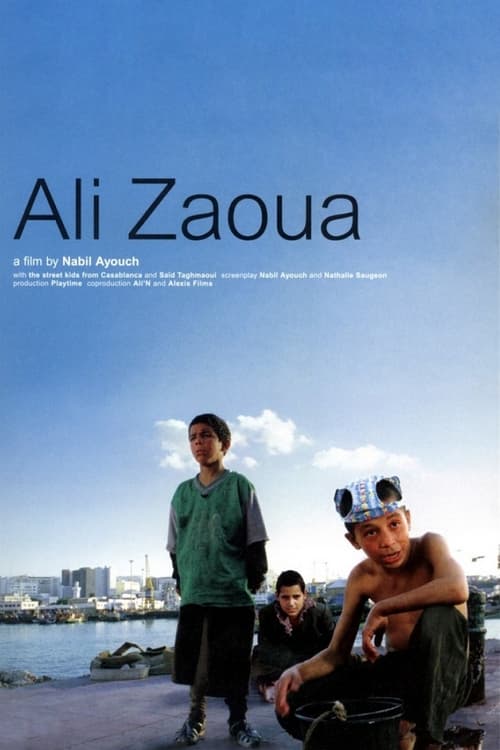
Ali Zaoua: Prince of the Streets
2001
No user ratings available yet
Representation score: 7.3 out of 10

Representation Score
Good
2001
Director
Im Sang-soo
Runtime
105 minutes
Average Rating
No ratings yetNew Showbiz Analysis
Tears is a character-driven psychological study that emphasizes emotional depth over conventional plot progression. It challenges traditional gender roles by highlighting female perspectives and complex interpersonal dynamics. However, the film's scope is limited by its homogeneous demographic makeup. It lacks explicit representation of LGBTQ+ identities or characters with disabilities, focusing instead on a specific socioeconomic subset of youth. Overall, the film provides a nuanced portrayal of underrepresented street life but does not seek broad demographic diversity.
Category Breakdown
The film does not feature explicit LGBTQ+ characters or stories focused on non-straight relationships. Intense emotional bonds are present, but the story stays within traditional romantic frameworks.
Female characters play significant roles in driving the story and exploring complex emotions. The narrative highlights their perspectives and delves into the intricacies of female desire and friendship.
The cast and setting are primarily homogeneous, reflecting the local reality of Seoul. The film does not use multicultural casting or casting actors of different races in traditional roles.
The film examines moral relativism through the experiences of underrepresented youth. It critiques traditional social structures by focusing on individual survival amid systemic hardships.
There is no significant representation of characters with visible or invisible disabilities. The story focuses on socioeconomic struggles and psychological yearning.
Present on Screen
Limited or Absent
Official Synopsis
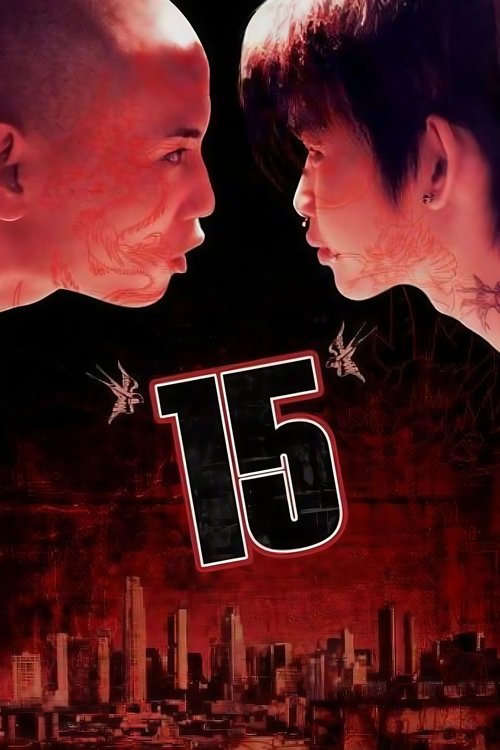
Four teens live their troubled lives as vagabonds in Seoul's Garibongdong District. Chang is rebellious and violent; Han explores the strange world of the Garibong through Chang; Ran dreams of happiness within harsh reality; and Sa-ri harbors painful life experiences.
2001
1970
2003
1994

1998
2002

1999
2003
No reviews yet. Be the first to share your thoughts on this movie!
Use the rating form above to leave a star rating and optional review.